Saudi Arabia Discovers 110 Million Tonnes of Uranium-Bearing Ore in Madinah
Saudi Arabia has identified a major mineral resource in Madinah that could add significant economic value through its uranium and high concentrations of heavy rare earth elements.
Saudi Arabia has identified an estimated 110 million tonnes of ore containing promising concentrations of uranium and high concentrations of rare earth minerals in the Madinah region, adding another potentially important resource to the Kingdom’s expanding mining and nuclear programme.
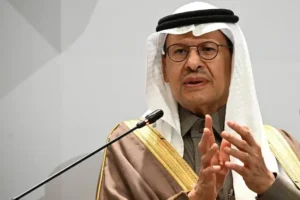
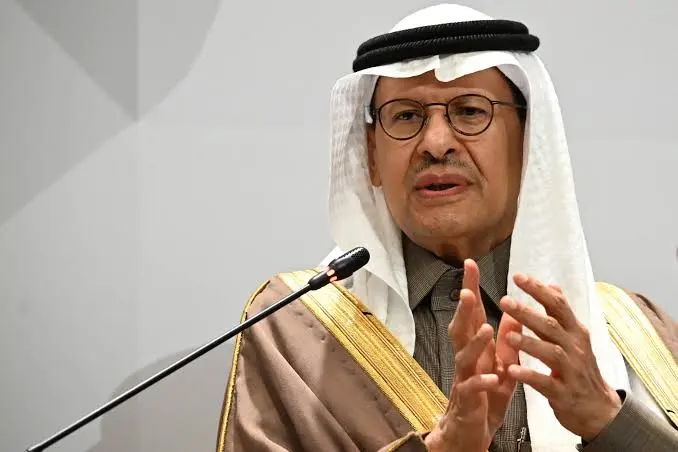
Energy Minister Prince Abdulaziz bin Salman announced the discovery on Monday during the 70th General Conference of the International Atomic Energy Agency in Vienna.
The resources were identified through exploration and geological studies at the Jabal Sayid project in Madinah. According to the minister, the estimated 110 million tonnes of ore contains high concentrations of rare earth minerals, particularly heavy rare earth elements, alongside promising concentrations of uranium.
The figure refers to the estimated quantity of ore at the site. It does not mean Saudi Arabia has discovered 110 million tonnes of uranium. The actual quantity of uranium and rare earth elements contained in the ore would depend on their concentrations and the results of further technical assessment.
The discovery gives Saudi Arabia another potentially significant mineral resource as the Kingdom works to expand its mining sector and reduce its dependence on oil as the main driver of the economy.
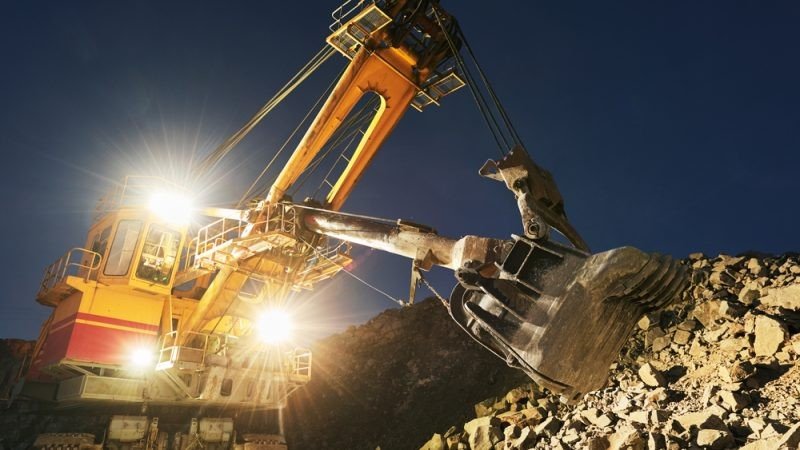
Heavy rare earth elements are strategically important because of their use in advanced manufacturing and other high-technology industries. Saudi Arabia has been increasing its focus on critical minerals and rare earth supply chains as part of a wider effort to develop its mining industry.
ALSO READ
The Jabal Sayid announcement also comes as Saudi Arabia continues to develop its nuclear energy programme. Prince Abdulaziz said the Kingdom is continuing uranium exploration and is working on the extraction of associated uranium as part of the fertilizer manufacturing process.
Saudi Arabia has said its nuclear programme is intended for peaceful purposes and that it is developing the programme within its national regulatory framework and international obligations. The energy minister reiterated at the IAEA conference that the Kingdom was not developing its nuclear programme in isolation from the international community.
The discovery follows a broader expansion of Saudi-US cooperation in civil nuclear energy and critical minerals. Riyadh and Washington formalized a civil nuclear cooperation framework in July, while the two countries have also been working on cooperation involving critical minerals and supply chains.
For the mining sector, the size of the resource is notable, but the announcement does not yet establish how much uranium or rare earth material can ultimately be recovered commercially. No detailed grades, recovery rates, or economic assessment for the deposit were included in the announcement.
That distinction will be important as Saudi Arabia moves from exploration toward possible development of the resource.
For now, the Jabal Sayid project gives the Kingdom another potentially strategic mineral asset containing both uranium and heavy rare earth elements, at a time when Saudi Arabia is seeking to build a larger domestic mining industry and expand its energy mix beyond hydrocarbons.
Why the Rare Earth Discovery Matters
The discovery is also significant because the ore contains high concentrations of rare earth minerals, particularly heavy rare earth elements. These materials are used in advanced technologies, electronics, high-performance magnets, and other industrial applications.
The find could give Saudi Arabia a larger domestic resource base for critical minerals as it develops its mining sector. However, the announcement does not yet establish how much of the rare earth material can be commercially recovered.
What the Uranium Discovery Means
The uranium component adds another dimension to Saudi Arabia’s plans for a domestic nuclear industry. The Kingdom has been exploring uranium resources as it develops its civil nuclear programme.
The discovery does not mean Saudi Arabia has 110 million tonnes of uranium. The figure refers to the total amount of ore identified, with the ore containing promising concentrations of uranium. Further assessment will be needed to determine the amount of uranium that can ultimately be recovered.