Oman Expands Its Role in the Global Used-Clothing Trade With Africa
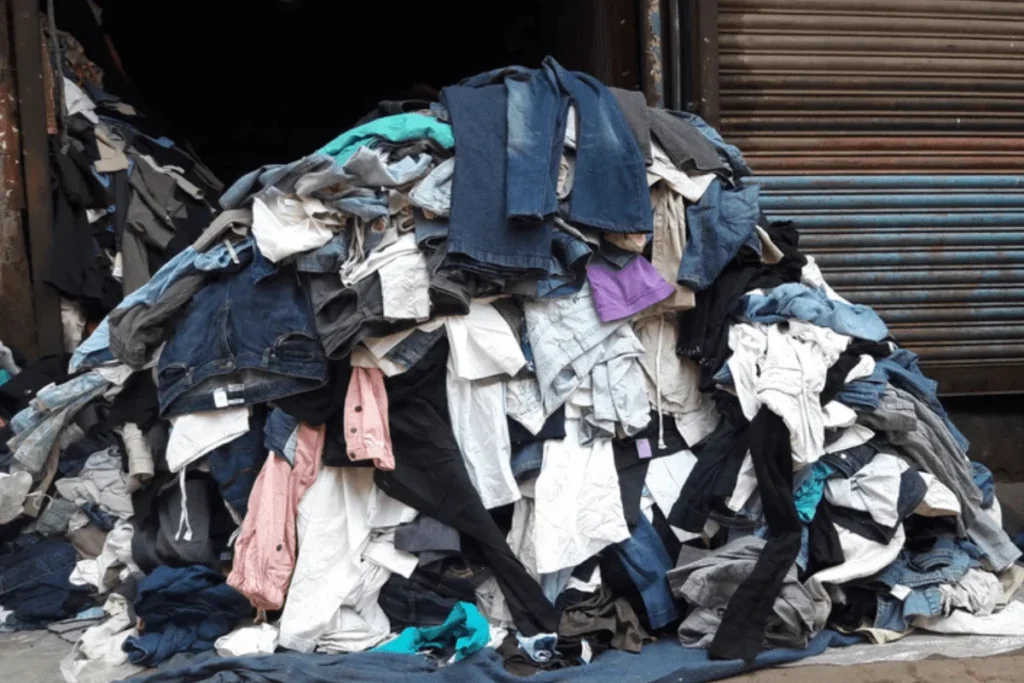
Oman is preparing to add another facility to its logistics and trade infrastructure, this time targeting the international market for second-hand clothing. Five Star Group (FZC) LLC plans to invest $10 million in a used-clothing sorting centre at SOHAR Freezone, with shipments intended for African markets including Angola, Congo and Tanzania.
The project was among six investment agreements announced by SOHAR Freezone on November 8, with a combined value exceeding $163 million. Five Star’s proposed facility will cover 25,000 square metres and is expected to generate additional cargo for SOHAR Port.
Investment brings attention to a part of the global clothing trade that receives less coverage than the retail market itself. Before many second-hand garments reach consumers in Africa, they pass through a network of collectors, exporters, sorting companies, and logistics operators. Oman is already part of that network, and the proposed SOHAR facility would add another operation to its existing activity.
The trade involves considerably more than collecting unwanted clothes and shipping them abroad. Used garments are assessed according to their condition, quality, and potential resale value. Items are separated into categories, packed into bales, and prepared for different markets. Clothing that can not be resold may be sent for recycling or treated as textile waste, depending on its condition and the facilities available.
Research by the IVL Swedish Environmental Research Institute offers a closer look at how this supply chain operates. Its 2025 study followed used textiles collected in Sweden through a chain involving operations in Lithuania and Oman before the garments reached Kenya.
The study examined how clothing was sorted and prepared for reuse, including the separation of garments according to quality and condition. In the specific operations covered by the research, approximately 8 per cent of the material was classified as textile waste. The remaining material was considered suitable for reuse. This finding relates to the supply chain examined by the researchers and should not be interpreted as a waste rate for Oman’s entire used-clothing industry.
Also Read:
Oman’s involvement in the trade therefore predates the proposed SOHAR investment. The Salalah operation examined in the IVL study provides evidence of existing sorting activity in the country. Five Star’s planned facility would introduce another investor and location into a business that connects international textile collection with overseas resale markets.
For African traders, second-hand clothing provides access to garments at prices that can be more affordable than many new alternatives. The trade supports wholesale and retail businesses that buy imported clothing in bulk, sort it further where necessary, and sell it through local markets. Demand and the types of garments preferred vary across countries, making the grading and preparation of shipments an important part of the business.
The commercial activity also extends beyond the sale of the garments. Sorting operations require workers, storage space, packaging, quality assessment, and transport. Companies that can handle mixed shipments and prepare them for different destinations provide a service to exporters and distributors that may not have the facilities to carry out those tasks themselves.
Oman’s trade figures offer further evidence of its existing participation. World Bank trade data for 2025 records approximately 10,922 tonnes of exports under HS code 630900, which covers worn clothing and other worn articles. The reported value was about $3.26 million.
Imports under the same category were considerably higher, at approximately 19,779 tonnes in 2025. The difference between the reported import and export volumes is worth examining, but it does not establish how much clothing was sorted locally, re-exported, retained, or disposed of. Nor does the data show that every imported garment passed through a sorting facility.
The export figures also show why Oman’s role should not be described as exclusively Africa-focused. The United Arab Emirates was by far the largest reported destination for Omani exports in this category in 2025, receiving approximately 9,575 tonnes. Somalia was another destination, with around 575 tonnes, while Tanzania and the Republic of Congo also appeared in the reported figures.
These figures record direct export destinations, not necessarily the final markets for every shipment. Clothing sent to another trading hub may be redistributed later, meaning the country recorded as the immediate destination is not always where the garments are eventually sold.
Oxford Economics has also identified Oman and the UAE as locations used for sorting and processing second-hand clothing from the European Union before onward shipment to African markets. This points to a supply chain in which the movement of used textiles does not always follow a direct route from the country where they were collected to the country where they are sold.
SOHAR’s location gives the proposed project access to an established port and free-zone environment. The freezone is connected to international shipping routes and markets across the Middle East, Asia, and East Africa. Its investment framework offers incentives, including full foreign ownership and tax benefits, subject to applicable conditions.
For a company handling large volumes of used garments, access to shipping connections, storage, and processing space can be important. A facility able to receive mixed shipments, sort them, and prepare separate consignments for different markets could serve several destinations from one operating base. The actual commercial advantage for Five Star, however, will depend on its sourcing arrangements, operating costs, and relationships with buyers and shipping companies.
Several important details about the project remain undisclosed. SOHAR Freezone’s announcement does not specify how much clothing the facility will process annually, where its incoming garments will be sourced, or whether Five Star already has supply agreements with collectors and distributors. It also does not provide a construction or operational start date.
Those details will help establish the project’s likely scale and its contribution to Oman’s trade and logistics activity. The countries named in the announcement indicate the markets the company intends to serve, but they do not confirm that long-term supply contracts or purchase agreements are already in place.
The treatment of garments that can not be resold will also matter. Sorting facilities must determine how damaged or unsuitable textiles are handled, whether they can be recovered for recycling, and how waste is managed. These decisions affect operating costs as well as the environmental impact of the business.
For Oman, the Five Star investment is another proposed addition to the country’s port-linked processing and distribution activity. It also draws attention to a less visible stage of the trade between Europe and Africa: the businesses that prepare used clothing for resale before it reaches its final market.
The project’s eventual contribution will depend on its processing capacity, access to supply, and ability to secure buyers. But with an existing used-textile operation in Salalah and a new facility planned for SOHAR, Oman is maintaining a place in an international trade whose commercial value extends well beyond the garments themselves.