Japanese Bonds and Yen Come Under Pressure as Jackson Hole Reshapes Rate Expectations
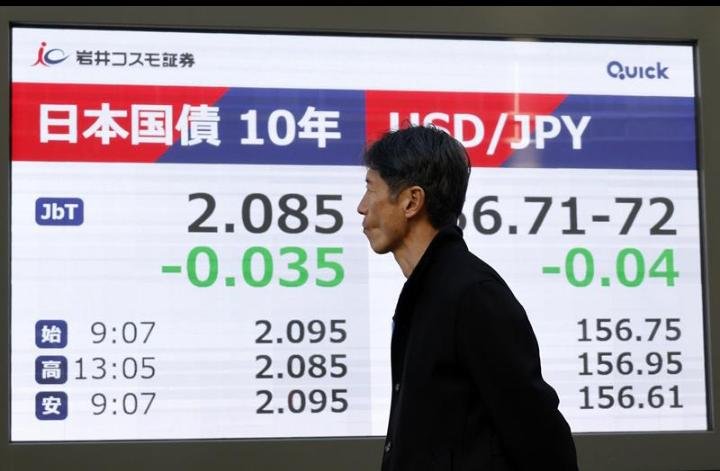
Japanese Bonds and Yen Come Under Pressure as Jackson Hole Reshapes Rate Expectations
Japanese government bonds and the yen came under pressure on Monday as investors reassessed the outlook for interest rates in Japan and the United States following the Federal Reserve’s annual Jackson Hole meeting.
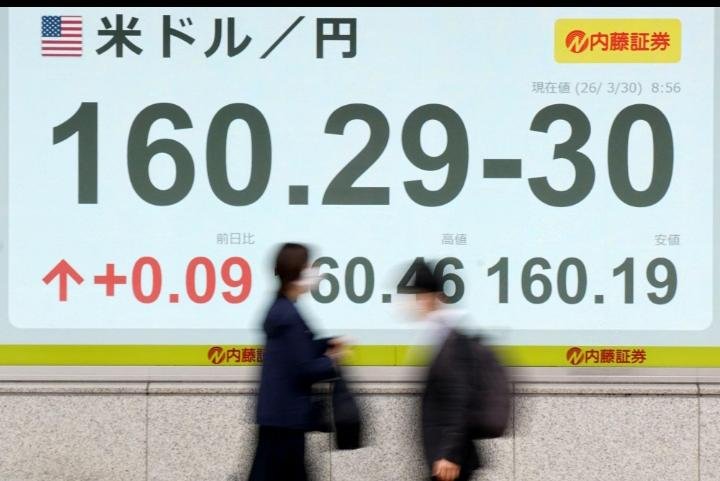
The yen briefly weakened beyond ¥160 against the U.S. dollar, while Japanese government bond yields climbed to their highest levels in more than three decades. The moves came as markets increased expectations for monetary tightening in both countries, although neither the Federal Reserve nor the Bank of Japan has committed to a specific September rate move.
The shift followed comments from Federal Reserve Chair Kevin Warsh at Jackson Hole that were interpreted by investors as hawkish. At the same time, expectations for a Bank of Japan rate increase in September have strengthened, adding to pressure on Japanese bonds.
Japanese Government Bond Yields Reach Multi-Decade Highs
The sharpest move was in Japan’s government bond market.
The yield on the two-year Japanese government bond reached 1.72%, while the 10-year JGB yield touched 2.95%, according to the Financial Times. Both were at their highest levels in more than 30 years.
The rise in yields means the prices of existing Japanese government bonds fell.
Bond prices and yields move in opposite directions. When investors sell bonds, their prices decline, and their yields rise as the market adjusts to the higher return investors now demand.
The move in shorter-dated bonds is particularly important because they are highly sensitive to expectations for central-bank interest rates.
Investors are increasingly positioning for the possibility that the BOJ could raise its policy rate at its September meeting.
That expectation has pushed yields higher even before any policy decision has been made.
RELATED ARTICLE
Rising Bond Yields Add Billions to G7 Borrowing Costs as Debt Pressure Builds
Markets Increase Bets on a September BOJ Rate Hike
The Bank of Japan has not announced that it will raise rates in September.
However, market expectations for such a move have strengthened.
The Financial Times reported that investors were pricing a greater than 90% probability of a September BOJ increase following the Jackson Hole meeting.
That expectation is also consistent with earlier reporting that the BOJ was considering a September increase as inflation pressures persisted and policymakers assessed the appropriate pace of monetary normalization. Reuters reported in August that markets were already pricing a significant probability of a September hike.
A rate increase would represent another step away from Japan’s long period of exceptionally loose monetary policy.
For bond investors, the prospect of higher short-term interest rates means existing bonds with lower coupons become less attractive. Their prices must, therefore, adjust lower to offer investors a competitive yield.
Warsh’s Jackson Hole Remarks Shifted U.S. Rate Expectations
The other major driver came from the United States.
In his Jackson Hole speech on August 28, Federal Reserve Chair Kevin Warsh said policymakers needed to be confident that underlying inflation was moving toward the Fed’s 2% objective at a sufficient pace. Otherwise, he said the central bank would “have work to do.”
Warsh did not announce a September rate increase or provide explicit forward guidance on the timing of future moves.
But investors interpreted his comments as hawkish.
Reuters reported that the probability of a September Fed rate increase rose to about 57% on Monday, compared with lower expectations before the speech. Other market measures showed the probability close to 60%.
That repricing supported the dollar and contributed to renewed pressure on the yen.
Why the Dollar Strengthened Against the Yen
The yen’s weakness reflects the changing expectations for both sides of the U.S.-Japan interest-rate relationship.
Higher expected U.S. interest rates can increase the attractiveness of dollar-denominated assets relative to yen assets.
At the same time, the market is already anticipating higher Japanese rates.
That means the question for the currency market is not simply whether Japan will raise rates. Investors are comparing the expected level and pace of interest-rate changes in Japan with those in the United States.
If U.S. rates are expected to remain relatively high, and the yen can remain under pressure even while Japanese rates rise.
That was evident on Monday, when the yen briefly moved beyond ¥160 per dollar before recovering somewhat. Reuters reported that the currency remained close to the ¥160 level as traders watched for possible intervention.
The ¥160 Level is important for Japan
The yen’s move toward ¥160 matters because Japanese authorities have previously intervened in the foreign exchange market to slow excessive currency declines.
A weaker yen raises the domestic cost of imports, including energy and other goods priced in foreign currencies.
That can add to inflationary pressure for Japanese households and businesses.
At the same time, a weaker currency can increase the yen value of overseas earnings for Japanese exporters when those earnings are converted back into yen.
The effects are, therefore, mixed across the economy.
The concern for policymakers is particularly strong when currency movements become rapid rather than orderly.
Reuters reported that traders were again watching for possible intervention as the yen approached the ¥160 level.
Higher JGB Yields Add Pressure to Japan’s Financial System
The rise in Japanese bond yields is significant because Japan spent decades operating in an extremely low-interest-rate environment.
That period encouraged investors and financial institutions to hold large amounts of Japanese government debt and seek higher returns elsewhere.
A sustained rise in JGB yields changes that environment.
Japanese government bonds can offer higher returns than they did previously, making domestic assets more competitive.
But higher yields also mean higher borrowing costs for the Japanese government when new debt is issued or existing debt is refinanced.
The effect on government finances occurs gradually because previously issued bonds continue to carry their existing coupons until maturity.
Still, if higher yields persist, the cost of servicing government debt can increase over time.
Japan’s public debt is already extremely large relative to the size of its economy, making the bond market particularly important to fiscal policy.
The BOJ and Fed Are Moving in Opposite Directions From the Old Low-Rate Era
For much of the past decade, Japan’s monetary policy was defined by extremely low interest rates and large-scale monetary accommodation.
That created a major interest-rate difference between Japan and countries such as the United States.
The current environment is different.
The BOJ is gradually moving toward higher rates, while the Federal Reserve is also considering whether inflation requires additional tightening.
That creates an unusual situation for currency markets.
Normally, expectations of higher Japanese interest rates would be supportive for the yen because they reduce the interest-rate gap with the United States.
But if U.S. rates are also expected to rise, and the gap may not narrow enough to produce sustained yen strength.
The direction of the yen will, therefore, depend on the relative pace of monetary tightening in the two economies.
Inflation Remains Important for the BOJ
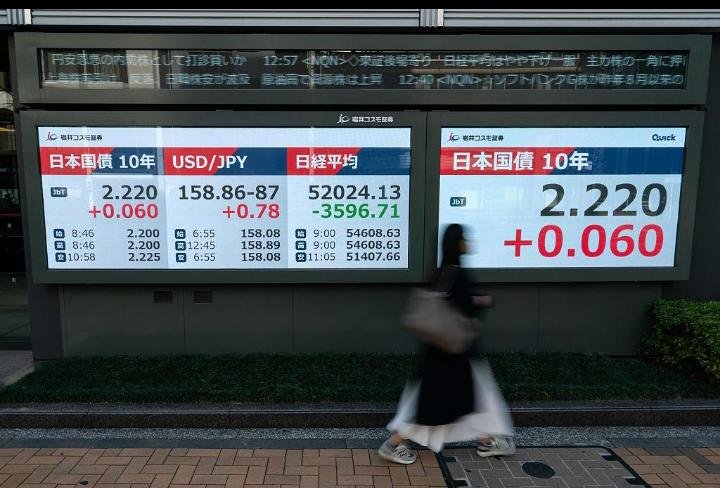
The BOJ’s policy outlook is also being shaped by domestic inflation.
Tokyo’s core consumer inflation accelerated for a third consecutive month in August, according to data reported by Reuters, strengthening the case for policymakers to consider another rate increase.
That does not guarantee a September hike.
The BOJ still has to assess economic activity, wages, inflation expectations, and the broader outlook before making its decision.
But stronger inflation gives markets more reason to expect further policy normalization.
This is one reason Japanese short-term bond yields have become increasingly sensitive to BOJ expectations.
Intervention Cannot Determine Yen’s Long-Term Value
Japan has previously spent substantial amounts supporting the yen through foreign-exchange intervention.
But, intervention alone can not permanently determine the exchange rate.
If the underlying interest-rate differential and capital flows continue to favour the dollar, the yen can weaken again after an intervention operation.
Victor Brooks also confirmed that Japan’s previous intervention operations had involved around $96.5 billion, while more than half of the gains achieved by the yen were subsequently reversed.
That is why investors are watching monetary policy as closely as intervention.
A lasting change in the yen’s direction would depend on broader economic and interest-rate conditions rather than government purchases of the currency alone.
What Investors Are Watching Next
The next major moves will depend on economic data and central-bank decisions.
For the Federal Reserve, investors will focus on inflation and labor-market data ahead of the September meeting.
Warsh’s Jackson Hole remarks have increased the market’s expectation of a possible rate increase, but the Fed’s decision will depend on incoming economic information rather than the Jackson Hole speech alone.
For the Bank of Japan, investors should watch inflation, wages, economic activity, and policymakers’ comments for evidence that another rate increase is becoming more likely.
The bond market will provide another important signal.
If JGB yields continue rising, investors will have to determine whether the move represents a gradual normalization of Japanese monetary policy or a broader repricing of the country’s fiscal and inflation risks.
Why the Yen and JGB Market Are Being Watched Together
The latest market moves show how closely Japan’s bond and currency markets are connected.
Higher Japanese interest rates can support the yen by making yen assets more attractive.
But higher U.S. rates can support the dollar and offset that effect.
Meanwhile, expectations of higher BOJ rates can push Japanese bond yields higher as investors sell lower-yielding existing bonds.
That leaves investors watching three connected markets at the same time: Japanese government bonds, the yen and U.S. interest rates.
The Jackson Hole meeting changed expectations on the U.S. side, while domestic inflation and the BOJ’s policy outlook are driving the Japanese side.
For now, the yen remains close to the ¥160 level, and Japanese government bond yields remain elevated.
The key question is whether markets are witnessing a temporary reaction to changing Fed expectations or a more lasting repricing of Japanese interest rates and the yen.
That will depend on the economic data and the policy decisions still ahead.
Source: Financial Times | Reuters | Victor Brooks