The Yield Paradox: How Gulf Capital Is Exchanging Debt for African Infrastructure
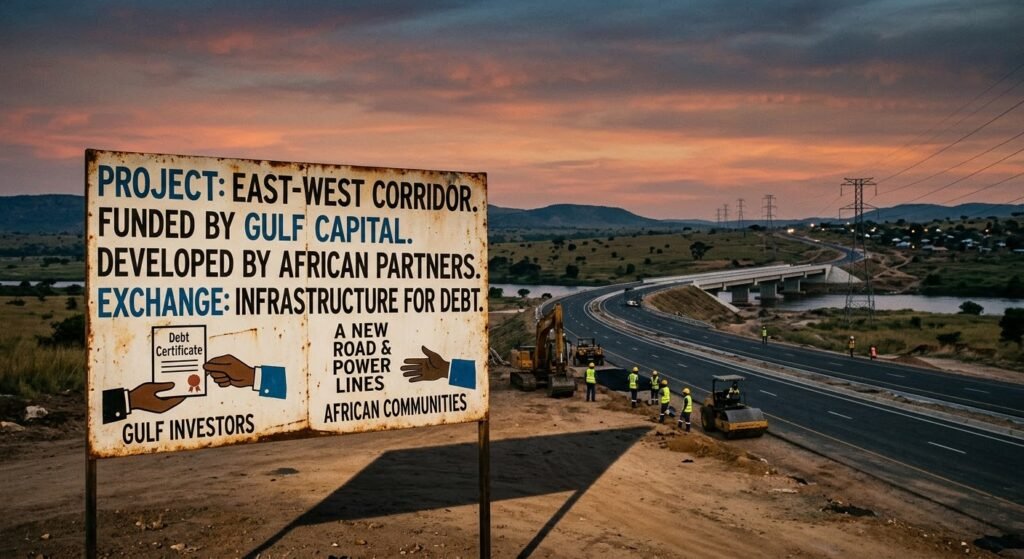
African governments need capital to expand electricity generation, transport networks, ports, and other infrastructure. Gulf investors, meanwhile, are seeking investment opportunities across the continent, including in logistics, renewable energy, and other sectors linked to long-term economic growth.
The two interests create an opportunity for new financing arrangements. But the central question is whether Gulf participation can help African countries finance infrastructure without adding unsustainable pressure to public debt.
Gulf Investment Moves Beyond Traditional Trade
The United Arab Emirates has positioned investment in Africa as a priority across infrastructure, energy, transport, and logistics. In October 2025, the UAE and more than 20 African countries agreed to develop an investment map covering tourism, aviation, transport, logistics, infrastructure, and digital transformation.
The participating countries identified projects requiring approximately $6 billion in investment and projected that the projects could generate 70,000 direct and indirect jobs collectively.
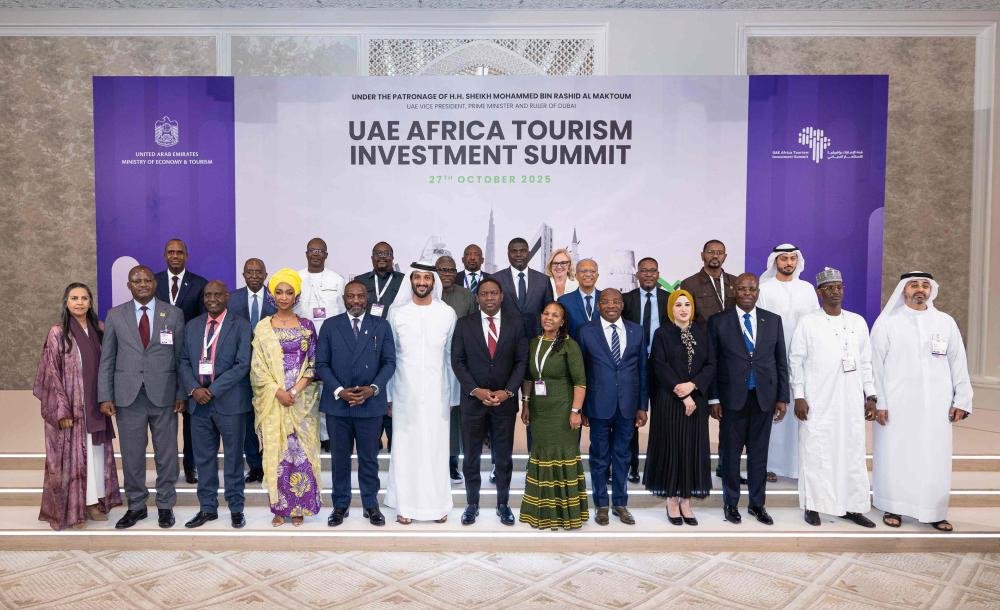
The proposed financing approaches included public-private partnerships, blended finance, guarantees, and debt-for-nature swaps. These arrangements offer alternatives to relying exclusively on conventional government borrowing, although their financial implications depend on how individual projects are structured.
The distinction matters. An investment announcement or proposed project pipeline does not establish that funding has been committed, construction has begun, or public debt has been reduced.
The Yield Paradox: Infrastructure Without More Sovereign Debt?
Infrastructure projects require substantial upfront financing, while their economic benefits often emerge over many years. Governments may, therefore, face pressure to build essential assets while managing existing debt repayments and limited budgetary resources.
You may also like:
Private infrastructure capital can help address this challenge by financing projects through investment structures that do not rely entirely on sovereign borrowing.
Under a public-private partnership, for example, a private investor may finance, construct, or operate an asset under an agreement with the government. Depending on the contract, the investor may recover its capital through user fees, operating revenues, or government payments.
Blended finance can combine public or development-finance support with private investment to make a project more attractive to commercial investors. Guarantees can also reduce particular risks faced by lenders or investors.
However, these mechanisms do not automatically eliminate public liabilities. Government guarantees, minimum-revenue commitments, and long-term payment obligations can create fiscal risks even when the initial financing does not appear as conventional sovereign debt.
A genuine reduction in debt pressure, therefore, depends on the allocation of costs and risks, the project’s ability to generate revenue, and the extent of the government’s continuing financial commitments.
Why Gulf Investors May Find African Infrastructure Attractive
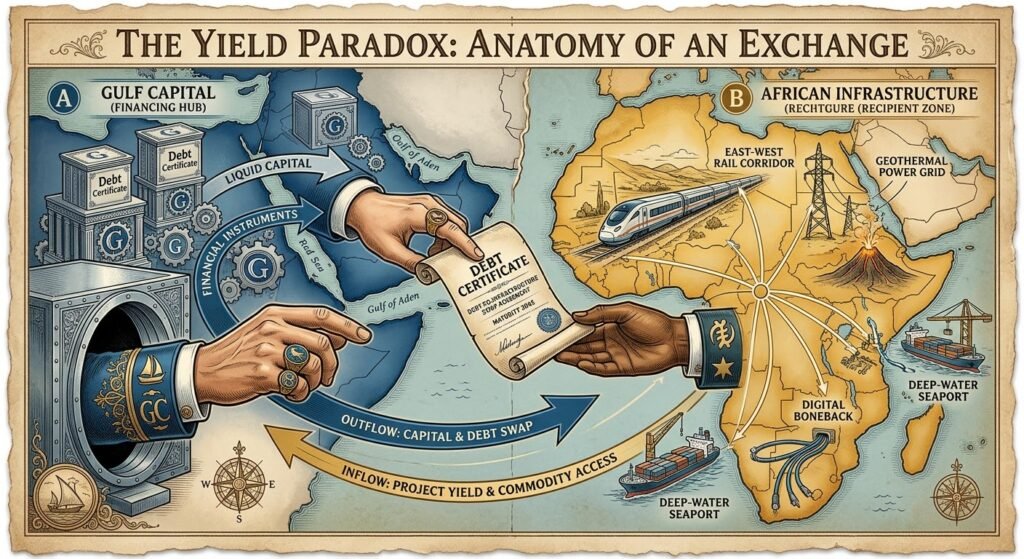
Ports, logistics networks, electricity projects, and renewable energy assets can offer investors exposure to long-term economic activity. For Gulf investors, these sectors can also support commercial relationships connecting African production, international trade, and regional supply chains.
The UAE’s investment activity in Africa spans renewable energy and port-related infrastructure. Its Africa Green Investment Initiative, launched during its COP28 presidency, aims to mobilise investment to deliver 15 gigawatts of new clean-power capacity by 2030.
That target represents an investment objective, not evidence that the full capacity has already been built or financed.
For African economies, the potential benefit extends beyond the construction of individual assets. Reliable electricity can support industrial production, while more efficient ports and transport links can reduce delays and improve access to markets. Whether these benefits materialise depends on project execution, pricing, infrastructure connections, and the wider business environment.
For investors, the commercial case must also withstand currency fluctuations, regulatory uncertainty, construction delays, and the possibility that projected demand or revenue fails to materialise.
The Financing Test for African Governments
The key issue is not simply how much Gulf capital enters Africa. It is what African countries receive in return and what obligations they accept.
A project financed through private equity may avoid some of the repayment structure associated with a sovereign loan, but investors will still expect an adequate return. That return may come from operating income, contractual payments, or the eventual sale of the asset.
Governments, therefore, need to assess whether financing arrangements provide better value than alternative funding options. They must also consider6 ownership rights, tariff structures, foreign exchange exposure, guarantees, and the distribution of project revenues.
Infrastructure that generates economic activity without imposing disproportionate fiscal costs can strengthen a country’s long-term financial position. Conversely, a poorly negotiated concession or an underperforming project can leave the public sector carrying substantial costs while private investors retain contractual protections.
Transparency over financing terms and contingent liabilities is essential to judging the actual benefit.
From Investment Announcements to Measurable Results
The UAE’s October 2025 initiative established a pipeline of proposed investment opportunities with African partners. Turning that pipeline into completed infrastructure requires project preparation, financial agreements, regulatory approvals, and the mobilization of capital.
The same distinction should guide assessments of Gulf investment more broadly. Announced investment targets, signed memoranda, financing commitments, disbursements, and completed projects are different stages of the investment process and should not be treated as equivalent.
For African governments, the objective should be to attract financing that expands productive capacity while keeping public obligations manageable. For Gulf investors, the opportunity lies in backing commercially viable projects that can deliver sustainable returns.
The yield paradox is, therefore, not that debt has already been exchanged for infrastructure across Africa. It is that countries seeking to expand infrastructure while managing debt burdens may be able to use private and blended capital to change how projects are financed.
Whether that approach improves public finances will depend on the terms of individual deals, the risks retained by governments, and the economic returns generated by the assets.




