Philippines Central Bank Sees Ample Funding for Borrowers
Philippines is expected to have enough funding to meet the borrowing needs of both the government and private sector despite rising government financing requirements and elevated interest rates.
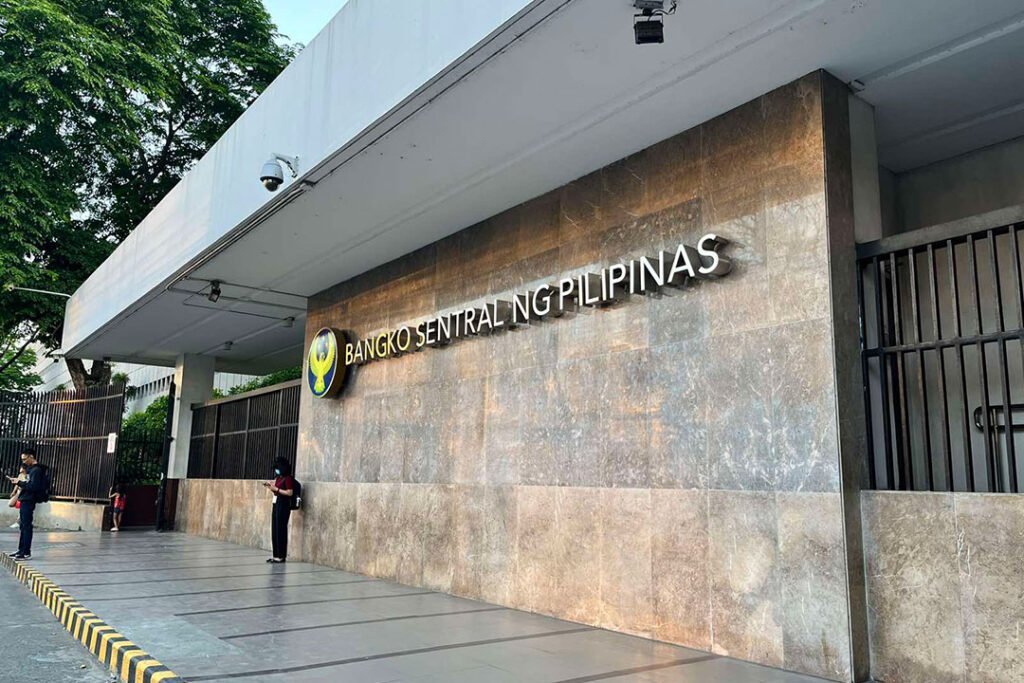
The Bangko Sentral ng Pilipinas sees limited risk that increased government borrowing will crowd out private borrowers, according to Bloomberg.
The government plans to borrow about ₱3.3 trillion ($53 billion) in 2027, around 20% more than its planned borrowing for 2026, as it seeks to finance higher spending needs.
Despite the larger requirement, the central bank expects sufficient funds to remain available for businesses and other private borrowers.
ALSO READ: How to Calculate Your Debt-to-Income Ratio (DTI) Step-by-Step
Recent banking data supports that view. Outstanding loans from universal and commercial banks rose 10.4% year-on-year in July to ₱14.98 trillion, accelerating from 9.8% growth in June, according to BSP data.
The increase shows that credit continues to flow through the financial system even as borrowing costs remain elevated.
For borrowers, the main pressure is, therefore, likely to come from the cost of financing rather than access to funds.
The BSP’s benchmark rate currently stands at 5%, keeping monetary conditions relatively tight.
Investors will be watching whether strong bank lending can continue as government borrowing increases and whether higher financing costs eventually begin to slow demand for credit.
YOU CAN ALSO READ: Why Oil Can Stay Below $100 Even With a Serious Gulf Supply Shock
For now, the central bank’s message is that the Philippines has enough funding to support both public and private borrowers, even in a higher-rate environment.
For businesses, continued access to credit should help companies maintain working capital, finance expansion and meet operating needs even as government borrowing increases. The bigger challenge is the cost of that financing. Higher rates can raise debt-servicing expenses and make companies more cautious about taking on new loans, particularly for large investment projects.
Investors will be watching whether strong private-sector lending can continue as government borrowing rises. They will also be looking at sovereign bond yields, corporate borrowing costs and the pace of business loan growth for signs that tighter financial conditions are beginning to affect companies. If credit demand remains strong, it would suggest businesses are still willing to invest despite higher rates; a sustained slowdown could point to growing pressure on economic activity.