Global Bond Sell-Off Deepens as Oil Surges Above $91 on Rising U.S.-Iran Tensions
Makon Financials | by Victor Brooks
Global Bond Sell-Off Deepens as Oil Surges Above $91 on Rising U.S.-Iran Tensions
Global bond markets are entering September under renewed pressure as higher oil prices, rising geopolitical risk, and shifting interest-rate expectations push investors to demand more compensation for holding government debt.
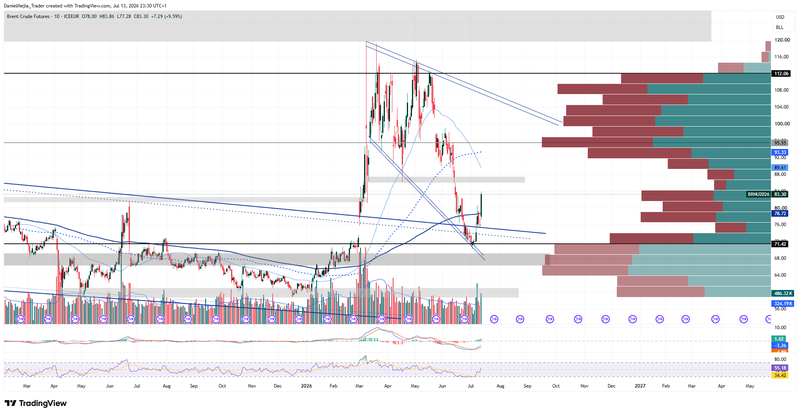
Brent Crude moved above $91 a barrel as renewed U.S.-Iran fighting intensified concerns about energy prices. At the same time, the U.S. 10-year Treasury yield rose to around 4.78%, while Japan’s 10-year government bond yield reached 3% for the first time since 1996.
The significance of the move is bigger than the individual yield levels. Markets are reassessing how long inflation could remain elevated, how quickly central banks can cut rates, and how much governments will have to pay to finance increasingly expensive debt.
That combination is making the latest bond sell-off more than a routine shift in yields.
Oil Has Changed the Inflation Equation
The immediate problem for markets is oil.
When crude prices rise sharply, the effect can move through the economy well beyond the petrol station. Higher energy costs can increase transportation and production expenses and eventually feed into consumer prices.
That matters because central banks can not treat an oil-driven inflation shock in the same way they would a temporary move in asset prices.
If higher energy costs become persistent, investors have to reconsider the assumption that interest rates can fall quickly.
That is one reason the latest rise in oil prices is being reflected in bond markets.
Reuters reported that Brent futures moved above $91 a barrel as renewed fighting in the Middle East intensified inflation concerns.
The market question now is not simply whether oil is above $90. It is how long it stays there.
A short-lived oil spike would have a different monetary-policy consequence from a sustained period of elevated energy prices.
The Treasury Market Is Repricing the Rate Outlook
The U.S. Treasury market is at the centre of the global repricing.
The 10-year Treasury yield climbed to 4.78%, its highest level since early 2025, according to Reuters.
The important point is that treasury yields influence the pricing of a wide range of financial assets.
When the risk-free rate rises, investors generally demand a higher return from corporate debt and equities. Governments also face higher costs when they refinance existing obligations or issue new debt.
This creates a feedback effect.
Higher inflation expectations can push yields higher. Higher yields increase financing costs. Higher financing costs can then put pressure on economic growth and government budgets.
For investors, the question becomes whether the rise in yields is mainly temporary inflation compensation or evidence of a more lasting increase in the cost of capital.
YOU CAN ALSO READ
What a September Fed Rate Hike Could Mean for Gulf Stocks, Banks and Investors.
Japan’s 3% Yield Is a Bigger Global Signal
Japan provides another important part of the story.
Japan’s 10-year government bond yield reached 3% on Tuesday, its highest level since 1996. Its two-year yield also reached a 31-year high of 1.81%.
This matters because Japan spent decades operating with exceptionally low interest rates and bond yields.
A sustained move toward higher Japanese yields changes the relative attractiveness of Japanese assets. It can also influence the decisions of Japanese investors allocating money across global bond markets.
The shift, therefore, has implications beyond Tokyo.
Japan’s bond market is also being pressured by concerns about inflation, fiscal stability, and expectations that the Bank of Japan may need to tighten policy further.
That makes the 3% threshold more than a headline number. It is evidence that one of the world’s most important low-yield markets is undergoing a significant repricing.
This is also a fiscal story
It would be a mistake to attribute the entire bond sell-off to oil.
The market was already dealing with concerns about government borrowing and fiscal sustainability before the latest increase in energy prices.
Reuters has highlighted fiscal concerns alongside inflation and interest-rate expectations as major forces behind the broader rise in long-term borrowing costs.
That distinction matters.
If investors believe governments will continue issuing large amounts of debt while interest rates remain elevated, they may demand higher yields to absorb that supply.
In other words, governments are competing for capital at a time when investors are becoming less willing to
accept very low returns.
The result is a higher cost of borrowing even before considering the additional inflation pressure coming from oil.
Why Stocks Are Feeling the Pressure
The bond sell-off matters for equities because government bond yields are used as a benchmark for valuing future cash flows.
When yields rise, the present value of future corporate earnings falls, all else equal.
The effect can be particularly important for companies whose valuations depend heavily on earnings expected several years into the future.
But the pressure is not uniform.
Higher oil prices can benefit energy producers while increasing costs for airlines, transport companies, manufacturers, and other energy-intensive businesses.
That creates a more complicated market environment than a simple “oil up, stocks down” relationship.
The bigger concern for equities is the combination of higher energy costs and higher discount rates.
That combination can squeeze both corporate margins and valuations.
Gulf Markets Have a Different Exposure
For Gulf economies, the oil shock creates a more complicated picture.
Higher crude prices can improve export revenues and strengthen the fiscal position of major oil producers. But the same global rise in bond yields can increase the cost of capital and tighten financial conditions.
This distinction is important for Gulf investors.
A higher oil price is not automatically negative for Gulf markets. The region’s oil producers can benefit from stronger hydrocarbon revenues.
The risk comes when higher oil prices are accompanied by a broader global inflation shock that keeps U.S. interest rates and treasury yields higher for longer.
Because several Gulf currencies are pegged to the U.S. dollar, movements in U.S. monetary policy has particular importance for regional interest rates and financial conditions.
That means Gulf markets can simultaneously receive support from stronger oil revenues while facing tighter global financing conditions.
The Real Risk Is a Longer-Lasting Shock
The biggest risk for markets is not simply that Brent has crossed $91.
It is that geopolitical tensions keep energy prices elevated long enough to alter inflation expectations.
That would make the central bank response more difficult.
If inflation remains under pressure while economic growth weakens, policymakers face a difficult choice between maintaining tighter monetary policy and supporting economic activity.
Markets would then have to price a higher probability of interest rates remaining elevated for longer.
That is precisely the environment in which long-duration bonds, highly valued equities, and heavily indebted borrowers can face greater pressure.
What Matters From Here
Three variables now matter most.
First is the trajectory of oil prices. A sustained move higher would create a much larger inflation problem than a temporary spike.
Second is the U.S. economic data. Reuters noted that investors are watching the upcoming U.S. jobs data for clues about the Federal Reserve’s next policy moves.
Third is whether the rise in global yields continues after the immediate geopolitical shock fades.
That last point is crucial.
If yields remain elevated even when oil stabilizes, it would suggest that markets are dealing with something deeper than the latest Middle East escalation namely, a broader repricing of inflation, fiscal risk and the long-term cost of government borrowing.
For now, the global bond market is sending that warning.
The rise in Brent above $91 has added a fresh inflation risk just as investors are already demanding higher yields from governments. Japan’s 10-year yield reached 3%, and the U.S. 10 years approaching 4.8% show how far the repricing has spread.
The next stage will depend on whether oil retreats or stays elevated and whether central banks can convince markets that inflation remains under control.
For investors, that makes the bond market the place to watch not simply because yields are rising, but because those yields are increasingly telling the story of how expensive money may remain across the global economy.
Source : Reuters