Bangladesh Inflation Eases to 8.32% as Dhaka Wage Growth Outpaces Urban Prices
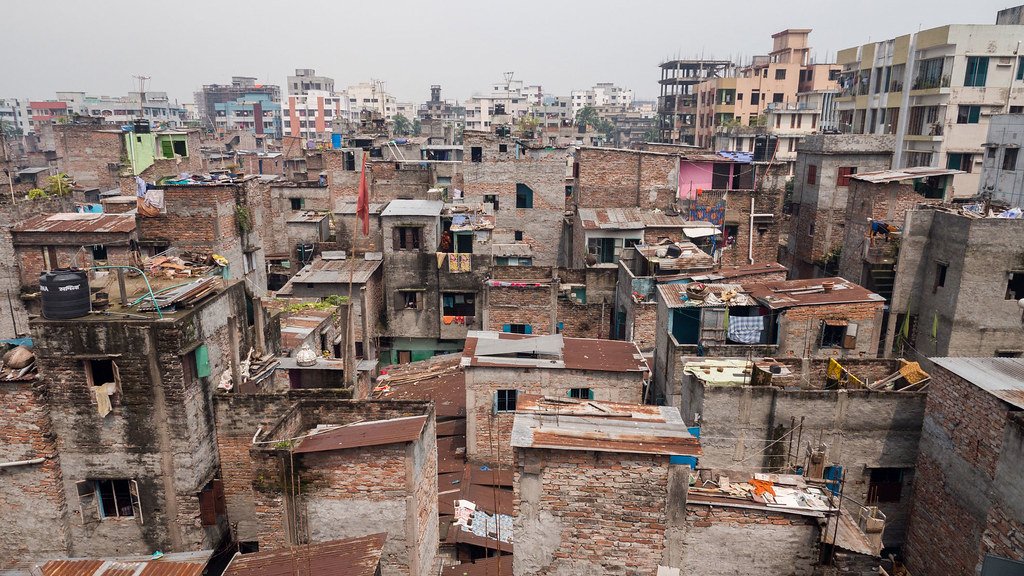
Bangladesh Inflation Eases to 8.32% as Dhaka Wage Growth Outpaces Urban Prices
Bangladesh’s inflation rate eased in July, but the latest data show a more complicated picture for households and workers.
National inflation fell to 8.32% in July 2026, from 9.16% in June, according to data from the Bangladesh Bureau of Statistics (BBS). At the same time, wage growth in Dhaka Division reached 8.72%, slightly above the division’s 8.24% urban inflation rate.
The difference is important because wage growth did not outpace inflation across Bangladesh as a whole. National wage growth was 8.22%, leaving it slightly below the country’s 8.32% inflation rate.
Bangladesh Inflation Falls to 8.32%
Bangladesh’s general point-to-point inflation declined by 0.84 percentage points, from 9.16% in June to 8.32% in July.
The latest figure is the lowest since November 2025, according to reporting based on BBS data.
The decline was driven largely by a sharp slowdown in food inflation.
Food inflation fell to 7.16% in July, compared with 8.60% in June. Non-food inflation also eased, declining to 9.28% from 9.61%.
The decline in food inflation is significant because food prices have a direct effect on household budgets, particularly for lower-income consumers.
However, the lower annual inflation rate does not mean that prices fell in July. It means that prices were increasing at a slower annual rate than they were in the previous comparison period.
Dhaka Wage Growth Moves Above Urban Inflation
The most notable development in the latest report is the performance of wages in Dhaka Division.
The general Wage Rate Index in Dhaka increased 8.72% year-on-year in July, while urban inflation was 8.24%.
That means Dhaka wage growth exceeded urban inflation by 0.48 percentage points.
The result suggests a modest improvement in real purchasing power for workers covered by the wage index in Dhaka Division.
But this should not be interpreted as a nationwide improvement in real wages.
Across Bangladesh, the general Wage Rate Index increased by 8.22%, compared with national inflation of 8.32%. National wage growth therefore remained 0.10 percentage point below inflation.
That distinction is central to understanding the latest figures.
Services Lead Wage Growth in Dhaka
Wage growth in Dhaka was strongest in the service sector.
Service-sector wages increased 9.30% in July, while industry wages rose 8.63% and agriculture wages increased 8.62%.
All three sectors recorded stronger wage growth in Dhaka than their corresponding national rates.
Nationwide, wage growth was 8.39% in services, 8.15% in industry and 8.24% in agriculture.
The figures show that the improvement in Dhaka was not limited to one part of the labor market.
YOU MAY ALSO READ:
Bank of England Financial Policy Committee (FPC) Record (September 30, 2026)
National Wage Growth Still Trails Inflation
Despite the improvement in Dhaka, Bangladesh’s broader wage picture remains under pressure.
National wage growth increased to 8.22% in July, from 8.18% in June, but it remained below the 8.32% national inflation rate.
This means the average wage rate covered by the national index was still not fully keeping pace with the increase in consumer prices.
For households, this difference matters.
When wages rise more slowly than prices, workers can lose purchasing power even when their nominal income is increasing. A worker receiving a higher salary may still be able to buy fewer goods and services if consumer prices rise faster.
Rural and Urban Inflation Remain Close
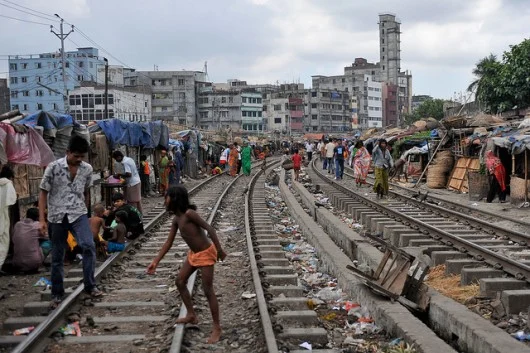
The July data also show only a small difference between rural and urban inflation.
Rural inflation stood at 8.36%, while urban inflation was 8.24%.
Rural food inflation was 7.14%, compared with 7.21% in urban areas. Rural non-food inflation stood at 9.53%, while urban non-food inflation was 8.90%.
The figures indicate that inflationary pressure remained widespread rather than being concentrated entirely in either rural or urban areas.
Longer-Term Inflation Has Also Moderated
The improvement was not limited to the monthly point-to-point measure.
Bangladesh’s 12-month moving-average inflation fell to 8.66% for the period from August 2025 through July 2026, compared with 9.77% in the previous 12-month period.
Bangladesh Bank’s inflation database, which sources the figures from BBS, confirms the 8.66% moving-average rate.
This suggests that inflation has moderated over the broader period, although the rate remains high enough to continue putting pressure on household purchasing power.
What the July Inflation Data Mean for Businesses
For businesses operating in Bangladesh, the decline in inflation is a positive development if it continues.
Slower price growth can make it easier for companies to plan costs, manage pricing and forecast consumer demand. It can also reduce some of the uncertainty created by rapidly changing input and operating costs.
But businesses should not assume that inflationary pressure has disappeared.
National inflation remains above 8%, while national wage growth is only slightly lower at 8.22%. Companies therefore continue to face an environment where consumer purchasing power and labour costs need to be monitored closely.
The Dhaka wage figures are particularly relevant for businesses that depend heavily on urban workers and consumer spending.
What Investors Should Watch Next
The key question now is whether Bangladesh can maintain the decline in inflation.
Food inflation will remain important because the July reduction in headline inflation was accompanied by a substantial decline in food-price growth.
Wage growth will also require close attention. If national wages begin to grow consistently faster than inflation, household purchasing power could improve and support consumer demand.
For now, however, the data show a mixed picture.
Inflation is moving lower, but national wage growth has not yet overtaken it.
Bangladesh’s Inflation Picture Is Improving, But the Pressure Remains
Bangladesh’s July data provide evidence that inflationary pressure is easing.
Headline inflation fell from 9.16% to 8.32%, while food inflation dropped from 8.60% to 7.16%. The 12-month moving-average rate also declined to 8.66%.
Dhaka provided an additional positive signal, with wage growth of 8.72% exceeding urban inflation of 8.24% by 0.48 percentage point.
But the national picture is different.
With wage growth at 8.22% and inflation at 8.32%, Bangladesh’s workers as a whole have not yet seen wages fully catch up with rising consumer prices.
The next few inflation and wage reports will therefore be important. A sustained decline in inflation combined with stronger wage growth would provide a much clearer sign that pressure on household purchasing power is genuinely easing.
Sources
Bangladesh Bureau of Statistics (BBS)
Bangladesh Sangbad Sangstha (BSS)