Philippines Interest Rates: Why Ample Funding May Not Mean Cheap Loans

Makon Financials Analysis
Philippines Interest Rates: Why Ample Funding May Not Mean Cheap Loans
The latest lending data from the Philippines points to a banking system that is still supplying credit at a strong pace. But for businesses and households, the more important question is no longer simply whether money is available. It is how much that money costs.
Outstanding loans from universal and commercial banks reached ₱14.98 trillion in July, up 10.4% from a year earlier. Growth accelerated from 9.8% in June, showing that credit activity remains firm even as interest rates have moved higher.
That helps explain why the Bangko Sentral ng Pilipinas (BSP) does not see a broad shortage of funds for borrowers. The central bank has said the financial system is not constrained by a lack of investable funds that would otherwise limit financing for private borrowers. The more relevant issue is the cost of financing.
For the Philippine economy, that distinction matters.
Businesses Can Still Borrow, But the Economics Are Changing
The latest figures do not suggest that companies have pulled back sharply from bank credit.
Production loans grew 9.8% year on year in July to ₱12.62 trillion, accounting for more than 84% of outstanding bank loans. Business lending also increased across several sectors, indicating that companies are continuing to use bank financing to support economic activity.
But strong loan growth does not necessarily mean businesses are comfortable with current financing conditions.
A company considering a new factory, equipment purchase, property development, or expansion project has to compare the expected return with the cost of borrowing. When financing becomes more expensive, some projects can stop making financial sense even though banks remain willing to provide the money.
That can slow the economy without creating a conventional credit crunch.
Companies may instead delay expansion, reduce the size of planned investments, rely more heavily on internal cash, or prioritize projects that generate returns more quickly.
That is an important distinction for investors. A slowdown in investment can begin well before banks start reporting a major decline in loan demand.
Government Borrowing Adds Another Variable
Government financing is another part of the picture.
The Philippine government is preparing for substantially higher borrowing needs, which raises the question of whether increased public-sector financing could eventually put pressure on the broader cost of credit. For now, the BSP does not see evidence of a broad shift in bank resources away from private borrowers.
That makes an immediate crowding-out scenario less convincing.
It does not mean the issue can be ignored.
SUGGESTED ARTICLES:
- Philippines Central Bank Sees Ample Funding for Borrowers
- Oil Nears $100 as Gulf Supply Risks Grow After Hormuz Traffic Slows
- Why Oil Can Stay Below $100 Even With a Serious Gulf Supply Shock
If government financing requirements increase faster than investor demand for government securities, the government may need to offer more attractive yields to secure funding. Higher government bond yields can then influence the pricing of other forms of borrowing across financial markets.
That would not necessarily prevent companies from obtaining loans. It could instead make financing more expensive.
This is why investors should watch government borrowing alongside private-sector credit growth rather than treating them as separate issues.
Banks Have an Opportunity But Credit Quality Matters
Strong loan growth is generally positive for Philippine banks because a larger loan book can support interest income and overall earnings.
The latest numbers show that demand for credit remains strong enough to keep lending growth in double digits. That is a positive signal for banks at a time when the economy is facing higher financing costs and external pressures.
But, investors should not judge banks purely by the pace of lending.
The quality of those loans matters just as much.
Philippine banks have already been increasing provisions against potential loan losses as economic risks have risen. That makes asset quality an important part of the outlook if borrowing costs remain elevated.
If banks continue expanding credit while nonperforming loans remain contained, strong lending could translate into stronger earnings.
If borrowers begin struggling with repayments, however, higher provisions could eat into the benefit of a larger loan book.
For bank investors, the combination to watch is, therefore, loan growth plus asset quality, not loan growth by itself.
Households Are Starting From a Different Position
Consumer lending is still expanding, although the pace has moderated.
Consumer loans reached about ₱2.06 trillion in July, with annual growth slowing to 17.1% from 17.8% in June.
That matters beyond the banking sector.
Higher borrowing costs can affect household decisions about vehicles, property, credit card spending, and other large purchases. Consumers do not necessarily have to stop borrowing altogether. They may simply borrow less, postpone a purchase, or choose a cheaper alternative.
For companies that depend heavily on domestic consumption, those changes can eventually become more important than the headline availability of bank credit.
The effect is likely to be gradual rather than immediate. But if consumer credit growth continues slowing while financing costs remain high, it could become an early signal that households are becoming more cautious.
The Interest-Rate Outlook Is Becoming More Important
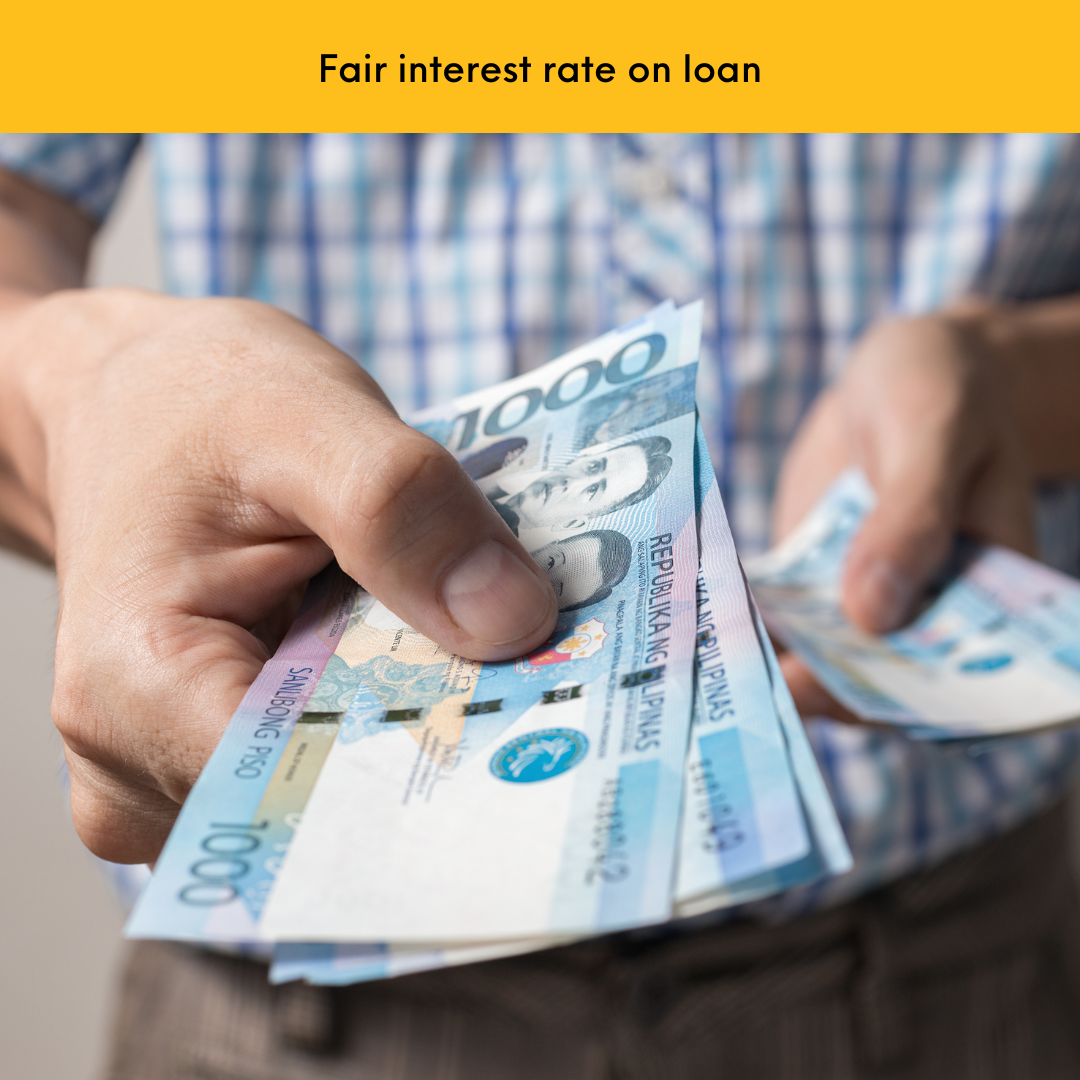
The BSP’s policy rate is currently 5.00%, following a 25-basis-point increase in August. The overnight lending facility stands at 5.50%, while the overnight deposit facility is 4.50%.
That policy setting matters because the cost of money ultimately affects investment, consumption, and financial-market conditions.
If inflation pressures ease and economic activity weakens, lower interest rates could eventually provide relief to borrowers and make more investment projects financially viable.
But the opposite is also possible.
If inflation remains elevated, the BSP may have less room to ease monetary policy. In that situation, businesses could continue accessing credit while still facing relatively expensive financing.
That is the scenario in which the difference between available credit and affordable credit becomes most important.
For investors, the key question is, therefore, not simply whether the BSP eventually cuts rates. It is whether inflation and economic conditions give the central bank enough room to do so without reigniting price pressures.
The Bigger Risk May Be a Gradual Slowdown
The current data does not point to a Philippine credit crunch.
Bank lending is growing at a double-digit rate, production loans continue to expand, and the BSP says the financial system has enough investable funds to support both government and private borrowers.
The more realistic risk is a gradual slowdown in the demand for credit.
Businesses could continue obtaining loans but become more selective about expansion. Consumers could continue using credit while postponing large purchases. Banks could continue growing their loan books while becoming more cautious about borrowers with weaker financial positions.
That kind of adjustment would be less dramatic than a funding shortage, but it could still weigh on economic activity.
It is also why investors should not look at the headline lending-growth number in isolation.
What Investors Should Watch
Corporate loan growth will be one of the clearest indicators. If business lending remains strong, it would suggest companies are still willing to invest despite higher financing costs. A sustained slowdown could signal that interest rates are beginning to restrain investment.
Government bond yields will also matter. Larger government financing requirements could put pressure on yields if investor demand does not keep pace. That could affect the wider cost of capital even without creating a shortage of bank loans.
Bank asset quality is another key signal. Strong loan growth supports bank earnings, but rising nonperforming loans or provisions could weaken the benefit.
Consumer credit will help investors gauge household demand. A continued slowdown could indicate that higher financing costs are beginning to influence spending decisions.
Inflation and BSP policy remain the biggest macro variables. If inflation falls sufficiently, lower rates could eventually support borrowing and investment. If price pressures remain stubborn, financing costs could stay elevated for longer.
Makon Financials Comment
The Philippines does not currently appear to have a simple shortage-of-money problem.
There is credit available, bank lending is still growing strongly, and the BSP says the financial system has sufficient funds to finance both government and private borrowers.
The bigger question is whether borrowers can continue to justify the cost of that credit.
For companies, that means weighing expansion against financing expenses. For households, it means deciding whether large purchases are worth the cost of borrowing. For banks, it means balancing loan growth against credit risk.
For investors, the next stage of the story will, therefore, be less about whether money is available and more about whether businesses, consumers, and banks are willing to keep using it at current interest rates.