UBS Forecasts Two Fed Rate Hikes in 2026 After Strong U.S. Jobs Report
UBS Forecasts Two Fed Rate Hikes in 2026 After Strong U.S. Jobs Report
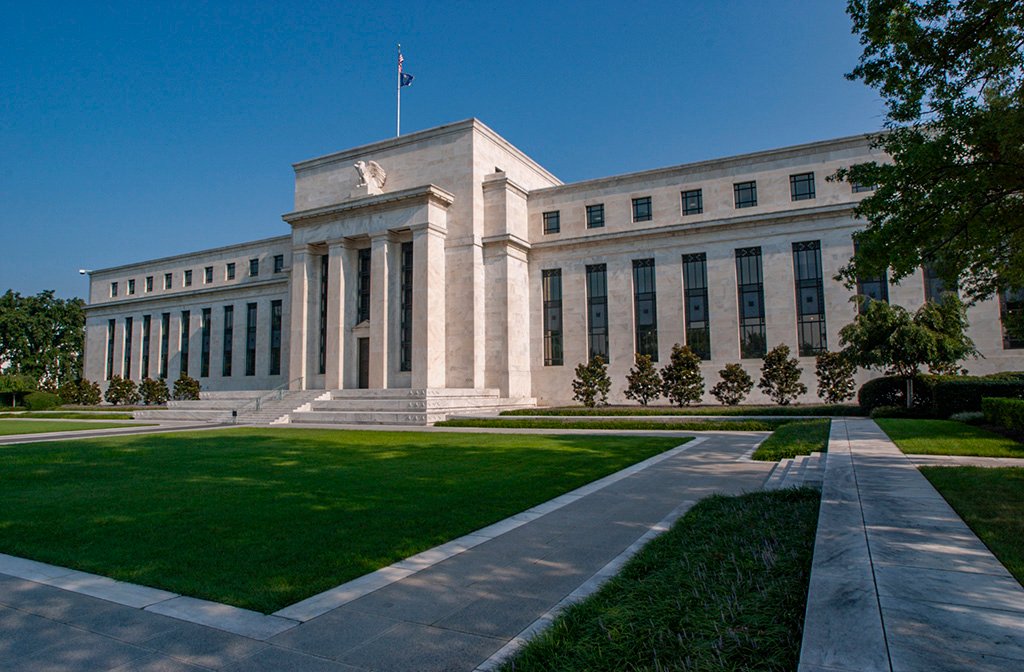
UBS now expects the U.S. Federal Reserve to raise interest rates twice before the end of 2026, reversing its previous forecast that the central bank would leave rates unchanged for the rest of the year.
The Swiss investment bank expects the Fed to deliver a 25-basis-point rate increase in September and another 25-basis-point increase in December, according to a research note reported by Reuters on Monday.
The revised outlook follows a stronger-than-expected U.S. jobs report that showed the labor market gaining momentum in August.
U.S. employers added 162,000 jobs in August, well above the roughly 55,000 increase economists had expected.
The unemployment rate remained at 4.1%, while the labor force expanded. The latest figures also included upward revisions to previous employment data, adding further evidence that the U.S. labor market remains more resilient than earlier figures suggested.
The August increase was also significantly stronger than the average monthly gain of 31,000 recorded during the previous 12 months, according to the U.S. Bureau of Labor Statistics.
Employment gains were particularly strong in food services and drinking places, which added 59,000 jobs, while local government education employment increased by 42,000.
ALSO READ: U.S. Unemployment Claims Fall to 206,000 as Layoffs Remain Sparse
For the Federal Reserve, the report reduces concerns that higher interest rates are rapidly weakening the labor market.
UBS had previously expected the Federal Reserve to make no further changes to interest rates in 2026.
UBS said stronger August employment data, more hawkish communication from Fed officials and rising inflation risks from supply bottlenecks were enough to alter its forecast.
The bank now expects two quarter-point increases, taking the federal funds target range from 3.50%-3.75% to 4.00%-4.25% if both moves occur as projected.
UBS is not alone in reassessing the outlook. Reuters reported that Citigroup and Macquarie have also changed their rate expectations following the latest employment figures.
Markets Increase September Rate-Hike Bets
Investors have also become more confident that the Fed could raise rates at its September meeting.
According to CME’s FedWatch tool, financial markets were pricing in roughly a 58% probability of a quarter-point increase at the Fed’s September 15-16 meeting, up from 52% the previous week.
UBS’s own assessment puts the probability at around 60%.
That is a significant shift from earlier expectations that the Federal Reserve could move toward easier monetary policy.
The stronger labor market gives policymakers more room to focus on inflation without facing the same immediate pressure to support employment.
Inflation Remains the Bigger Problem
The jobs report is only part of the reason UBS turned more hawkish.
The bank also pointed to continuing inflation risks, including supply bottlenecks and signs that price pressures could remain above the Fed’s 2% target.
UBS said the latest inflation data and economic activity suggest that inflation may not be falling quickly enough for policymakers to remain comfortable with current interest rates.
The bank also highlighted comments from Fed Chair Kevin Warsh at the Jackson Hole symposium, where he stressed that underlying inflation needs to move toward the Fed’s 2% objective clearly and at sufficient speed.
That combination of stronger employment and persistent inflation creates a different policy environment from the one investors expected earlier in the year.
The Next Test Comes With U.S. Inflation Data
The next major test for the rate-hike outlook will be the U.S. inflation data due later this week.
The Producer Price Index is scheduled for Thursday, followed by the Consumer Price Index on Friday.
Those figures will arrive just days before the Fed’s September 15-16 policy meeting, making them particularly important for investors trying to determine whether the central bank will actually deliver the first increase UBS is forecasting.
A hotter-than-expected inflation reading could strengthen the case for a September hike.
A significant cooling in inflation, however, could weaken those expectations and give policymakers a reason to wait.
What Higher Fed Rates Could Mean for Markets
Higher U.S. interest rates generally increase borrowing costs for households and companies while making interest-bearing assets such as government bonds more attractive.
They can also put pressure on rate-sensitive areas of the stock market because higher discount rates reduce the present value investors assign to future corporate earnings.
UBS, however, does not view its revised rate forecast as a reason to abandon its broader positive view on equities.
The bank argues that economic growth remains resilient and that artificial-intelligence investment and corporate earnings could continue supporting markets even if interest rates move higher.
UBS expects the economic impact of two 25-basis-point increases to be relatively modest.
Fed Decision Now Hinges on Jobs and Inflation
YOU CAN ALSO READ: Global Bond Sell-Off Deepens as Oil Surges Above $91 on Rising U.S.-Iran Tensions
The latest developments put the Federal Reserve in a difficult position.
The labor market is showing renewed strength, with employment rising much faster than expected in August. At the same time, inflation remains above the Fed’s long-term 2% objective, and supply-related risks could make further progress more difficult.
That combination is giving policymakers more reason to consider higher rates rather than easing monetary policy.
For UBS, the stronger jobs report was enough to change its entire 2026 rate outlook.
The key question now is whether the upcoming inflation figures confirm that shift.
If inflation remains stubborn while employment continues to hold up, the probability of a September rate increase could rise further. If price pressures ease sharply, the Fed may have more room to keep rates unchanged.
For now, UBS expects two 25-basis-point Fed rate hikes in 2026, with the first potentially coming at the September 15-16 meeting and the second in December.
Sources: U.S. Bureau of Labor Statistics | UBS Global Wealth Management.