RBI to Sell ₹25,000 Crore in Bonds as Banks Face Tighter Cash Rules
India’s liquidity surplus has become a key concern for monetary policy, with the Reserve Bank of India balancing excess funds in the banking system against tighter reserve requirements and a higher benchmark interest rate.
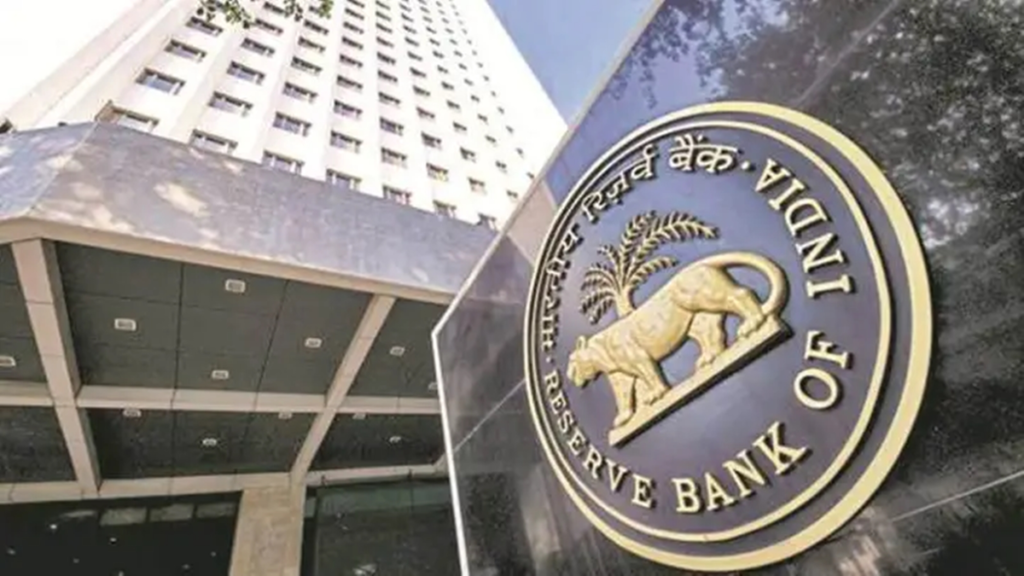
The Reserve Bank of India (RBI) will sell ₹25,000 crore ($2.58 billion) in government bonds on October 13, as it steps up efforts to absorb excess liquidity from India’s banking system.
The October 9 announcement came alongside a separate requirement for banks to maintain a higher proportion of their prescribed cash reserves each day. The change takes effect on October 16, following the RBI’s decision on October 7 to raise its benchmark repo rate by 25 basis points to 5.50%.
Why is the RBI withdrawing liquidity?
India’s banking system has recorded a substantial liquidity surplus. Reuters reported that the surplus averaged more than ₹7 trillion ($72.37 billion) daily from September 1, equivalent to 2.6% of bank deposits.
ALSO READ:
The RBI’s bond sale is intended to withdraw some of those funds. When investors purchase securities from the central bank, their payments transfer money to the RBI, reducing liquidity available in the banking system.
The latest sale follows a net bond sale of ₹1 trillion ($10.34 billion) last month, the largest in more than a decade, according to Reuters. The securities in the upcoming operation include bonds maturing between 2030 and 2034, with coupon rates ranging from 6.10% to 7.95%.
RBI Governor Sanjay Malhotra said the current liquidity surge was temporary and that a substantial amount would be absorbed before the financial year ends in March.
What changes for banks on October 16?
Banks will have to maintain at least 99% of their prescribed Cash Reserve Ratio (CRR) requirement daily, up from the previous minimum of 90%.
The underlying CRR remains 3% of banks’ deposits. The new rule changes how much of that requirement banks must maintain each day; it does not raise the CRR rate itself.
Banks do not earn interest in these required reserves. The stricter daily threshold leaves them with less flexibility to manage reserve balances throughout the reporting period, particularly as the RBI withdraws liquidity through bond sales.
Could the measures affect lending and bond yields?
ICICI Securities Primary Dealership said the banking system’s liquidity surplus could fall below 1% of deposits in coming quarters, potentially reaching 0% to 0.5%, Reuters reported.
The firm also attributed a flattening of the government bond yield curve to the RBI’s open market bond sales. A flatter yield curve means the difference between yields on shorter – and longer-term bonds narrows.
Tighter liquidity can make short-term funding management more demanding for banks, but the measures do not automatically mean lending rates will rise. The eventual effect will depend on liquidity conditions, investor demand at the October 13 auction, and the RBI’s subsequent policy decisions.