Philippines Sets 2027 Rollout for Global Bond Pricing Framework
The transition will not alter the contractual terms of the bonds, and investors will continue to receive the scheduled interest payments (coupons) and principal at maturity, in accordance with the terms of their bonds.
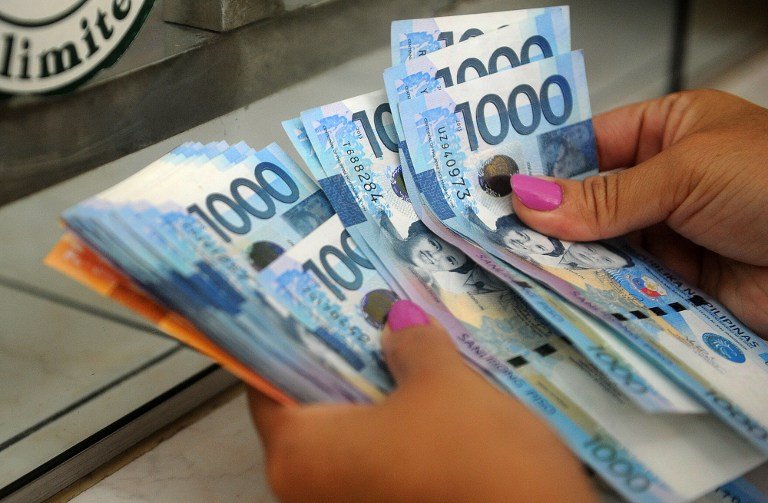
A customer counts Philippines peso notes after trading his US dollars for Philippine pesos in Manila on September 8, 2015. The Philippine peso weakened to its lowest level in five years on September 8, with investors jittery over a looming interest rate increase in the United States, dealers said. AFP PHOTO / Jay DIRECTO / AFP PHOTO / JAY DIRECTO
The Philippines will begin using an internationally recognized bond pricing convention from January 4, 2027, in a move aimed at making its government debt market more accessible to foreign investors.
The change was announced by the Bangko Sentral ng Pilipinas (BSP) alongside other financial regulators and market institutions. The new approach will apply to eligible peso-denominated government bonds and bring local market practices closer to those used in international bond markets.
For investors, the main difference will be how bond settlement amounts are calculated when securities change hands. The adjustment could affect the amount buyers pay and sellers receive, depending on the price of the bond. However, it will not change the contractual interest payments or principal repayment terms of existing securities.
ALSO READ:
The authorities are hoping that aligning local practices with international standards will make Philippine government bonds easier for overseas investors to trade. Greater participation could improve market liquidity and help the government access a wider pool of funding, although the effect on borrowing costs will depend on demand and broader financial conditions.
The timing also comes ahead of the planned inclusion of Philippine peso-denominated government bonds in J.P. Morgan’s Government Bond Index–Emerging Markets series on January 29, 2027. The move is expected to increase the market’s visibility among international investors who use emerging-market bond indexes to guide their portfolios.
ATTENTION: Mark Makon Financials your preference source in google feed click here
Financial institutions will have a short transition period from January 1 to 3, 2027, before the new convention takes effect. The period is intended to give market participants time to prepare their systems and trading operations.
The reform forms part of the Philippines’ broader effort to develop its domestic capital market and attract more international investment. Whether it leads to sustained growth in foreign participation will depend on investor confidence, market conditions, and how smoothly the new system is implemented.