Nigeria’s Manufacturers Face a Growing Cost Burden as Consumers Feel the Pressure
Nigeria’s major consumer goods manufacturers recorded lower combined revenue in the first half of 2026, even as gross margins improved and production costs declined
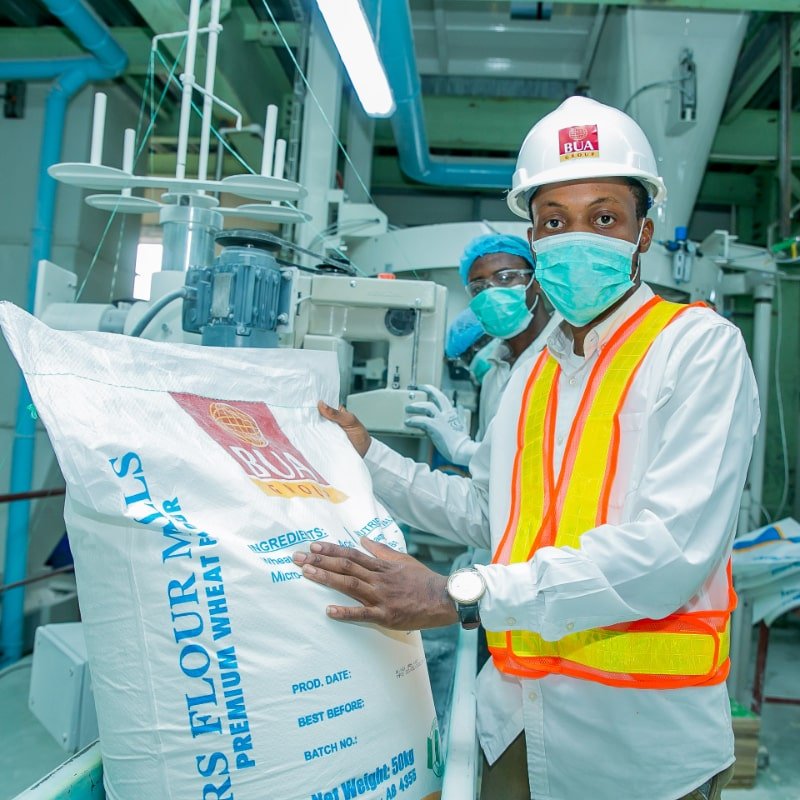
Nigeria’s consumer goods manufacturers are facing a difficult pricing environment as the cost of running their businesses collides with consumers’ ability to pay. Financial results from major listed producers shows that revenue, production costs and profit margins are moving in different directions, raising questions about how companies are managing expenses and what their decisions mean for the prices of everyday products.
BUA Foods, Nestlé Nigeria, Dangote Sugar Refinery, Unilever Nigeria, NASCON Allied Industries, and Cadbury Nigeria recorded combined revenue of ₦2.09 trillion in the first half of 2026, down from ₦2.18 trillion a year earlier. Their combined gross margin increased to 39.9% from 35%, while the cost of sales fell by approximately 13.9%. Selling, distribution, and administrative expenses rose by approximately 13.9% to ₦236.4 billion.
YOU MAY ALSO LIKE:
Their cost of sales also declined, while selling, distribution, and administrative expenses moved in the opposite direction. The figures suggest that the pressure on manufacturers is not coming from a single source and that falling production costs do not automatically translate into lower overall business expenses.
The companies’ gross margins rose to 39.9% in the first half of 2026, up from 35% a year earlier. In other words, they retained more from each naira of sales after accounting for the cost of goods sold. The improvement came even as their combined revenue fell from ₦2.18 trillion to ₦2.09 trillion.
That contrast deserves attention. The companies were generating less revenue but keeping a larger share after production costs. Their results do not show whether this came from price increases, cheaper inputs, changes in the products sold, or other factors. They do show that rising costs alone can not explain the financial picture across these businesses.
Nigeria’s headline inflation rate was edged down from 15.43% in July to 15.39% in August 2026, according to the National Bureau of Statistics. Meanwhile, financial results from six major consumer goods manufacturers show that revenue declined even as gross margins improved.
The results show different movements across manufacturers’ expenses, sales, and margins. They do not establish how much of the cost burden has been passed on to consumers, but they provide a basis for examining individual companies’ pricing decisions alongside changes in production and distribution costs.
A comparison of retail prices for products made by these companies would help establish where prices have increased and whether those changes correspond with movements in their reported costs.