Taiwan Passes 2026 Budget After Record Delay, Keeps $2 Billion Drone Programme
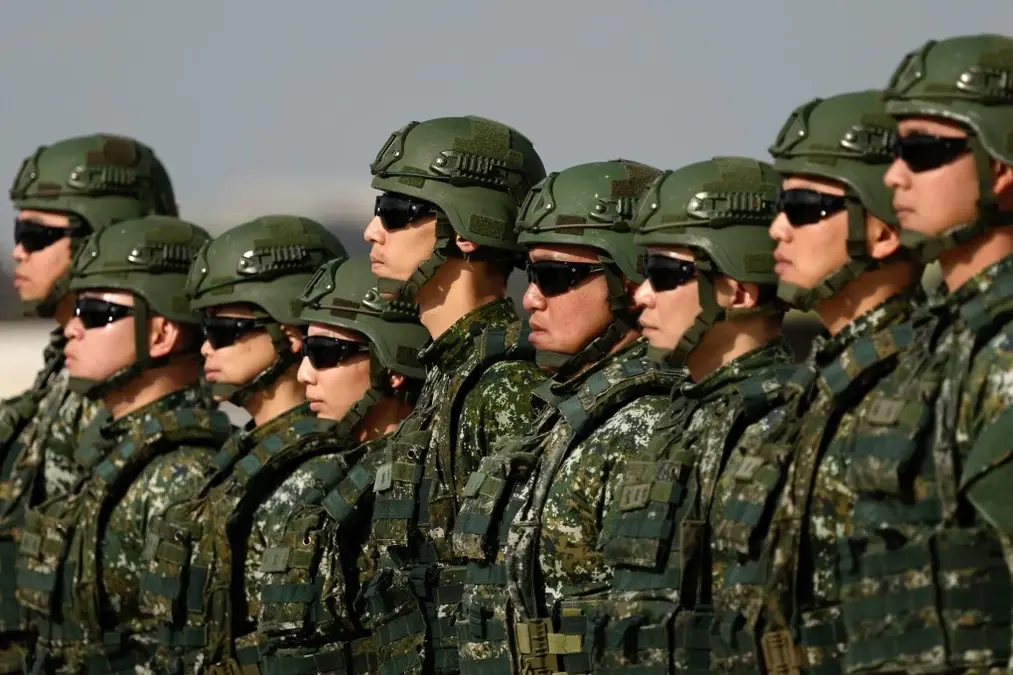
Taiwan Passes 2026 Budget After Record Delay, Keeps $2 Billion Drone Programme
Taiwan’s opposition-controlled parliament has approved the government’s 2026 budget after a record 266-day delay, ending months of political deadlock over government spending and defence priorities.
The Legislative Yuan approved NT$2.9869 trillion ($93 billion) in total expenditure on Friday, August 14. Lawmakers cut NT$48 billion from the government’s original NT$3.034 trillion ($94.79 billion) proposal.
Despite the reductions, lawmakers left Taiwan’s NT$63.4 billion ($2 billion) drone-related allocation intact. The funding covers drone industry development and procurement, making it one of the most closely watched parts of the budget as Taiwan seeks to strengthen its security capabilities and domestic technology supply chain.
YOU ALSO LIKE TO READ THIS:
- UAE investors can now connect ChatGPT and Claude to live ADX stock data
- Philippines Fuel Prices Could Surge Next Week: Gasoline Seen Rising by Up to ₱3 Per Liter
- UAE Wants Deeper BRICS Financial Cooperation: What It Means for Global Markets
Taiwan’s $2 billion drone spending survives
The drone allocation had faced pressure from opposition lawmakers during the prolonged budget dispute. The Kuomintang (KMT), Taiwan’s largest opposition party, had previously threatened to reduce the funding significantly.
The final budget, however, preserved the full NT$63.4 billion for drone-related development and procurement.
The spending reflects Taiwan’s growing focus on unmanned systems as part of its broader effort to strengthen its ability to respond to potential military pressure from China.
Taiwan is also looking to expand its domestic drone industry rather than relying entirely on overseas suppliers. That gives the programme both a defence and industrial-policy dimension.
Why the 2026 budget was delayed
Taiwan’s budget was supposed to be approved much earlier, but the process became caught in a political battle between President Lai Ching-te’s Democratic Progressive Party (DPP) and opposition parties that control the legislature.
Lai won the presidency in 2024, but his DPP lost its parliamentary majority. The opposition has since used its legislative control to challenge government spending plans and push for reductions it considers necessary to prevent waste.
The dispute eventually produced a 266-day delay, the longest delay in Taiwan’s history for approval of an annual central government budget.
The delay did not shut down the government because Taiwan can continue operating under the previous year’s spending framework while a new budget is pending.
Defence remains the bigger spending issue
The approval of the 2026 budget does not end the argument over Taiwan’s defence spending.
Taipei is already preparing its 2027 budget, which is expected to include a substantial increase in defence expenditure. Taiwan plans to raise defence spending by 16%, taking it above NT$1 trillion for the first time and above 3% of GDP.
That planned increase comes as Taiwan faces continued military pressure from Beijing. China claims Taiwan as part of its territory, while Taiwan rejects Beijing’s sovereignty claims.
The government has argued that stronger military capabilities are necessary to deter a potential attack and improve Taiwan’s ability to withstand military pressure.
What the budget means for Taiwan’s economy
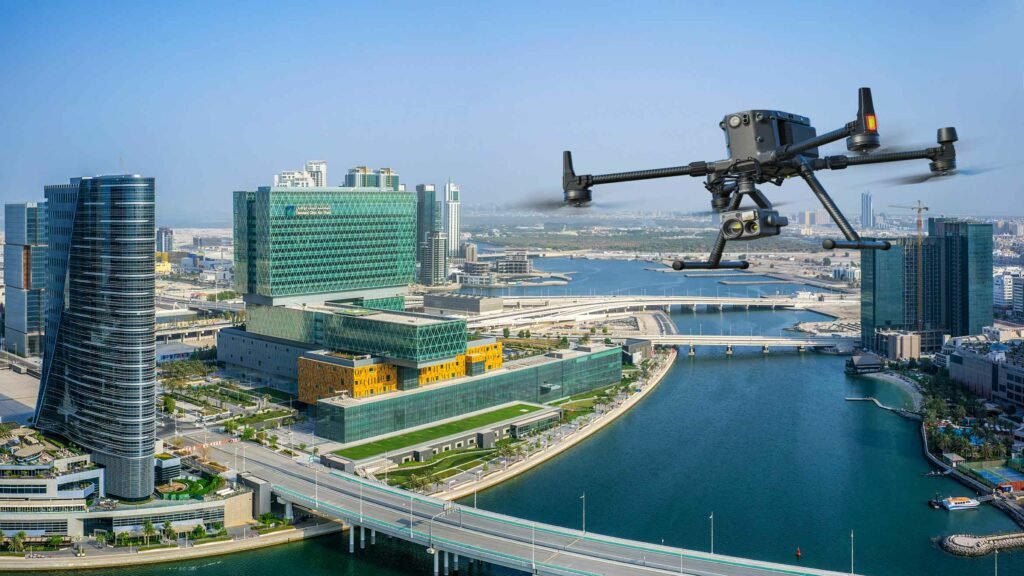
The drone allocation also matters beyond defence.
Taiwan is trying to develop a stronger domestic unmanned-systems industry, creating demand for manufacturers, component suppliers and technology companies.
For businesses operating in the sector, government spending can provide a significant source of demand. It could also encourage investment in areas such as drone manufacturing, communications, sensors and other supporting technologies.
But the wider budget dispute highlights another challenge: Taiwan’s government must balance higher security spending with other public priorities while working with an opposition-controlled legislature.
For now, the immediate budget deadlock is over. Taiwan has approved its 2026 spending plan, protected the full NT$63.4 billion drone allocation and is already preparing for another major debate over defence spending when the 2027 budget reaches parliament.
The direction is clear: Taiwan is putting more resources into security and domestic defence technology, even as political divisions continue to shape how that money is allocated.