Will Germany bring back mandatory military conscription next year?
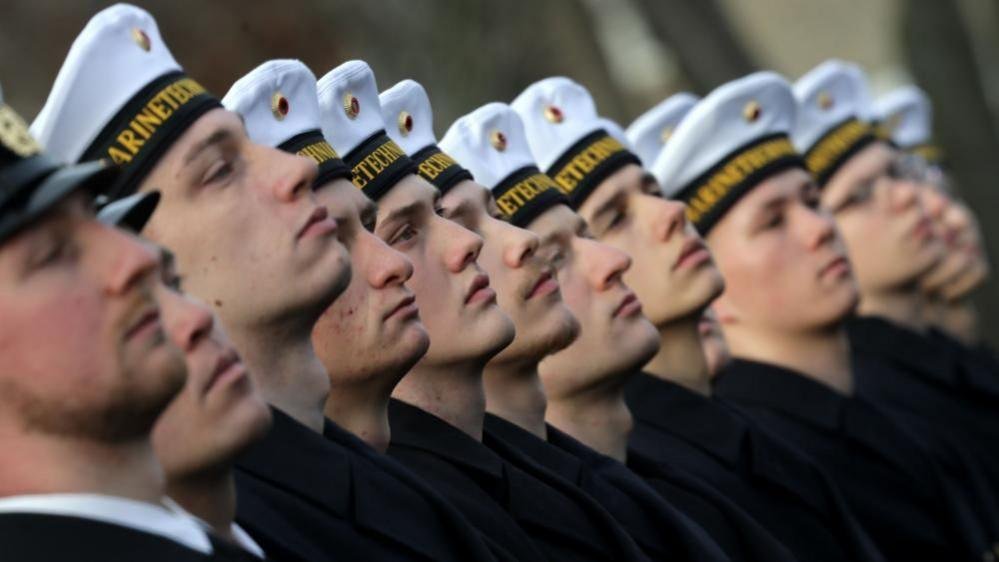
Will Germany bring back mandatory military conscription next year?
Will Germany Bring Back Mandatory Military Conscription in 2027? What It Means for Europe and Global Markets
Germany is once again facing a strategic question that many believed had been settled more than a decade ago: should the country reintroduce mandatory military conscription. As geopolitical tensions rise across Europe and global security dynamics shift, the debate over reinstating compulsory military service is gaining renewed momentum within German political and defense circles.
At Makon Financials, this development is not just a political discussion, it is a signal of deeper structural changes in Europe’s security architecture, labor market, and fiscal priorities.
Background: Why Conscription Was Abolished
Germany suspended mandatory military conscription in 2011 as part of a broader effort to modernize its armed forces. The focus shifted toward a professional, volunteer-based military, known as the Bundeswehr. At the time, the decision reflected a relatively stable security environment in Europe and a belief that large-scale conventional conflict was unlikely.
However, over the past few years, that assumption has been increasingly challenged. Russia’s ongoing military posture, NATO’s expanding commitments, and growing instability in Eastern Europe have forced Germany to reconsider its long-term defense strategy.
Why the Debate Has Returned
The renewed discussion around conscription is driven by multiple factors. One of the most critical is the Bundeswehr’s manpower shortage. Reports indicate that Germany’s armed forces are struggling to meet recruitment targets, raising concerns about operational readiness.
Additionally, NATO has been urging member states to strengthen their defense capabilities. Germany, as Europe’s largest economy, is under increasing pressure to play a more active military role.
There is also a broader societal dimension. Some policymakers argue that conscription could strengthen civic responsibility, national unity, and resilience in times of crisis. Others see it as a way to expand not just military capacity, but also civil defense structures, including disaster response and infrastructure protection.
Current Political Position
As of 2026, Germany has not made a final decision to reintroduce conscription. The issue remains under active debate within the government, particularly among defense officials and lawmakers.
Some proposals suggest a modified system rather than a full return to traditional conscription. These ideas include:
A selective service model targeting specific skills
A voluntary national service with incentives
A hybrid system combining military and civilian service options
However, implementing any form of mandatory service would require significant legal and political changes, including potential amendments to existing frameworks.
Challenges to Reintroduction
Reintroducing conscription is not a simple policy shift. It comes with major logistical, financial, and social challenges.
First, Germany would need to rebuild the infrastructure required to train and accommodate large numbers of recruits. Since 2011, many facilities have been downsized or repurposed.
Second, there is strong public debate around personal freedom and the role of compulsory service in a modern democratic society. Younger generations, in particular, may resist mandatory enlistment.
Third, the economic impact cannot be ignored. Pulling young people into military service could affect labor supply, productivity, and education timelines, especially in a country already facing demographic challenges.
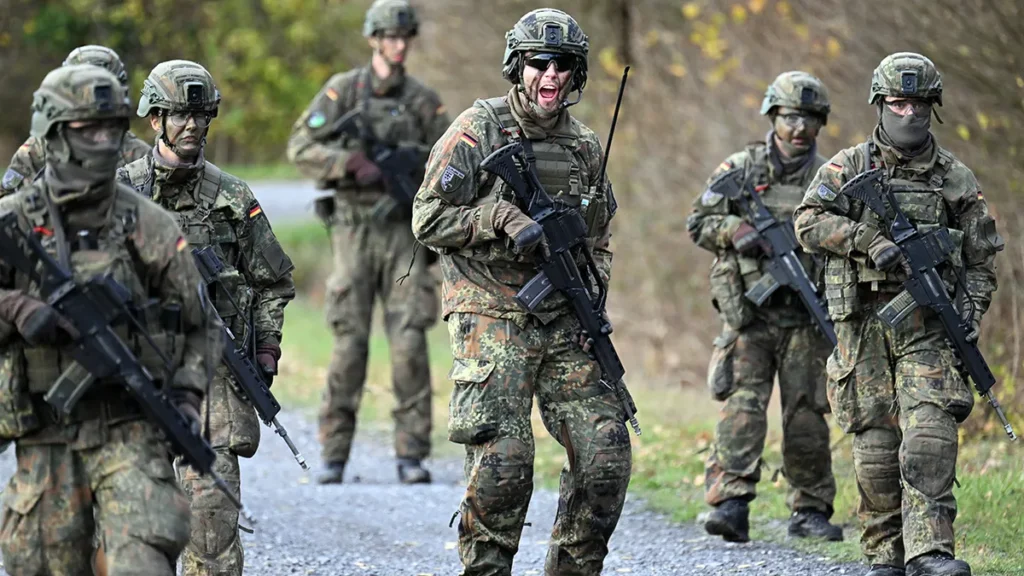
Economic and Market Implications
From a financial perspective, the potential return of conscription carries several implications.
Defense spending is likely to increase significantly. Germany has already committed to boosting its military budget, and conscription would add further costs related to training, equipment, and personnel management.
At the same time, sectors linked to defense manufacturing, logistics, and technology could benefit from increased government investment.
Labor markets may experience short-term disruptions, particularly in industries that rely heavily on young workers. However, some analysts argue that structured national service programs could also enhance workforce discipline and skill development over time.
For investors, this signals a shift toward a more defense-oriented economic posture in Europe, with ripple effects across global markets.
European and Global Context
Germany’s decision will not occur in isolation. Several European countries have already reconsidered or reintroduced elements of conscription in response to evolving security threats.
If Germany moves in this direction, it could set a precedent for other major economies, reinforcing a broader trend toward military preparedness across the continent.
This would have implications not only for defense alliances like NATO but also for global geopolitical stability, trade flows, and energy markets.
Makon Financials Insight
The debate over conscription in Germany reflects a deeper transformation in global risk perception. What was once considered unlikely, large-scale military preparedness in Europe, is now becoming a strategic priority.
For markets, this shift suggests a gradual reallocation of resources toward defense and security. It also highlights the increasing intersection between geopolitics and economic planning.
At Makon Financials, we see this as part of a wider transition toward a more uncertain global environment, where governments are prioritizing resilience alongside growth.
Conclusion
Germany has not confirmed a return to mandatory military conscription for next year, but the conversation is no longer theoretical. It is a serious policy consideration shaped by real security concerns and strategic pressures.
Whether or not conscription is ultimately reinstated, the debate itself signals a turning point. Europe is entering a new phase of defense awareness, and Germany is at the center of that shift.
For investors, businesses, and policymakers, the key takeaway is clear: changes in military policy are no longer isolated decisions, they are integral to understanding the future direction of global markets.