Why has Iran Economy not collapse under US war pressure
Why has Iran Economy not collapse under US war pressure
Why Iran’s Economy Has Not Collapsed Under U.S. War Pressure
For decades, Iran has lived under intense U.S. sanctions, military tension, and geopolitical isolation. Yet despite currency crashes, oil restrictions, and regional conflict, the economy has not collapsed. It remains strained but standing, supported by a structure built for survival rather than growth.
Iran’s leaders designed a resistance‑driven economic model that prioritizes domestic production and state control. This system reduces dependence on global markets and allows the government to shift resources quickly when pressure increases. It is not efficient, but it is resilient.
Oil revenues also continue flowing. Even under sanctions, Iran sells crude through discreet networks, rerouted shipments, and regional intermediaries. China remains a major buyer. These shadow exports provide enough foreign currency to keep the government functioning and prevent a full financial breakdown.
Iran’s regional influence strengthens its economic survival. Through alliances in Iraq, Syria, Lebanon, and Yemen, Iran maintains access to trade routes and financial channels that bypass Western restrictions. These networks act as political and economic buffers.
A large domestic market of more than 85 million people also helps stabilize the economy. Internal demand keeps agriculture, construction, manufacturing, and retail active. This consumer base absorbs pressure when external trade declines.
State control over strategic sectors is another pillar of Iran’s resilience. The government and military‑linked institutions dominate oil, banking, mining, and major industries. Centralized control allows rapid resource allocation, ensuring critical sectors remain functional even during severe shocks.
Iran has also deepened partnerships with non‑Western economies. China, Russia, Turkey, and several Gulf intermediaries provide trade, technology, and financial channels outside U.S. influence. The rise of non‑dollar transactions further helps Iran bypass traditional financial choke points.
Years of sanctions have created a culture of adaptation. Informal markets, local manufacturing, and parallel financial systems allow businesses and households to function even when formal channels are blocked. Iranian entrepreneurs have learned to navigate restrictions creatively.
Government subsidies and currency controls play a major role in maintaining stability. Subsidies on fuel, food, and utilities keep basic living conditions steady. Multiple exchange rates and strict capital controls help manage currency volatility and protect foreign reserves.
Despite all these stabilizers, Iran’s economy faces severe hardship. Inflation is high, the currency is weak, and living standards have declined. But economic pain is not the same as economic collapse. Collapse requires a total breakdown of state capacity, financial flows, and geopolitical support. Iran still has all three.
The country’s survival is rooted in strategic resilience. Iran built an economy designed to endure pressure, absorb shocks, and operate outside traditional global systems. It is not a model of prosperity, but it is a model of endurance.
Iran’s economy remains weakened but functional, isolated but not broken. Its ability to withstand U.S. war pressure is a result of long‑term planning, unconventional economic tactics, and geopolitical leverage that keeps the system alive even under extreme stress.
Internal Industrial Backbone
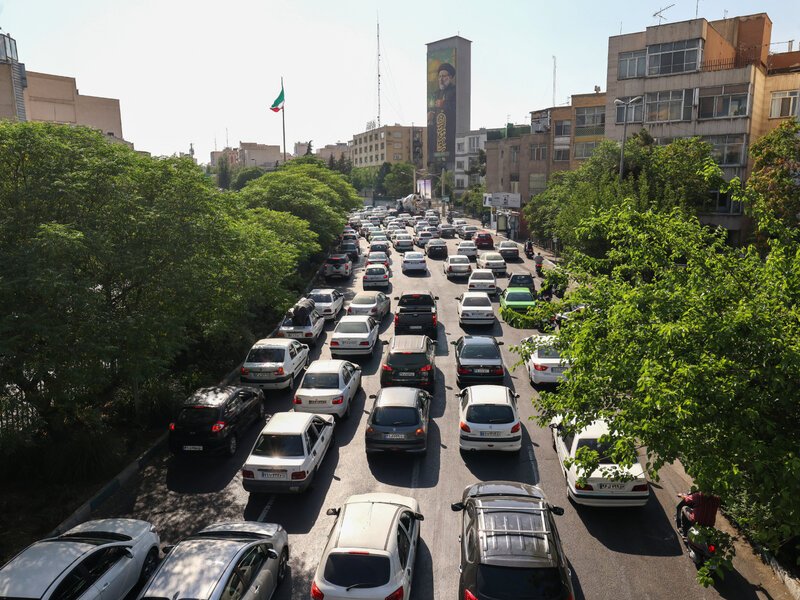
Iran’s industrial sector quietly reinforces its economic stability. Heavy industries such as steel, cement, petrochemicals, and automotive manufacturing continue operating despite sanctions. These industries supply domestic needs and support regional exports, giving Iran a reliable internal production base that reduces dependence on foreign suppliers.
Agricultural Self‑Sufficiency
Agriculture remains one of Iran’s strongest buffers. The country produces large volumes of wheat, fruits, vegetables, and livestock. This level of food production ensures availability even when imports decline. Rural economies stay active, providing employment and stabilizing local markets. Food security is a major factor preventing humanitarian collapse.
Technological Workarounds
Sanctions limit Iran’s access to Western technology, but the country has developed local alternatives and strengthened ties with non‑Western suppliers. Domestic engineers build machinery, software, and industrial components that replace restricted imports. This technological adaptation keeps critical sectors functioning and reduces vulnerability.
Financial Channels Outside the Dollar
Iran increasingly uses non‑dollar financial networks to conduct trade. Transactions with China, Russia, and regional partners rely on local currencies or barter arrangements. This reduces exposure to U.S. financial pressure and allows Iran to maintain trade flows even when access to global banking systems is restricted.
Social Resilience and National Messaging
Iran’s government promotes a narrative of resistance, framing economic hardship as part of a broader struggle against foreign pressure. This messaging helps maintain social cohesion and reduces the risk of widespread unrest. While dissatisfaction exists, the national narrative of endurance plays a role in preventing internal collapse.
MakonFinancials Remark
From a financial analysis perspective, Iran’s economic endurance is a strategic case study. The country shows how a state can withstand prolonged external pressure by building internal capacity, leveraging regional alliances, and adapting to constraints. Iran’s model is not built for prosperity, but for survival. It demonstrates that economic pressure alone does not guarantee collapse. Structural resilience, even in a strained system, can keep a nation standing far longer than expected.
Iran’s ability to remain functional under U.S. war pressure highlights the importance of domestic production, alternative financial systems, and geopolitical leverage in modern economic warfare. For analysts and policymakers, Iran’s experience underscores a critical lesson. A nation built for endurance can outlast even the most aggressive external pressure.