What Makes the Naira Rise or Fall Against the Dollar?
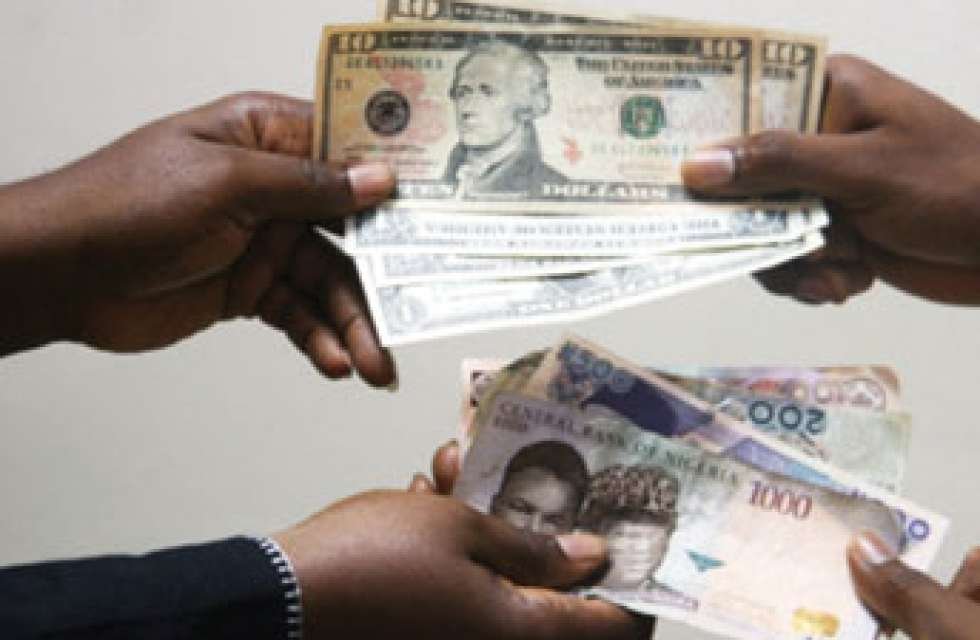
What Makes the Naira Rise or Fall Against the Dollar?
The naira does not strengthen or weaken against the US dollar because of a single economic event. Its exchange rate reflects a continuous contest between the amount of foreign currency entering Nigeria and the amount being demanded by businesses, investors, households, and the government.
When dollars are relatively abundant and demand is contained, the naira can strengthen. When demand for dollars grows faster than available supply, the naira comes under pressure.
That basic relationship explains much of what happens in Nigeria’s foreign exchange market. But the forces behind dollar supply and demand are more complicated than they first appear.
Dollar supply is at the center of the naira’s performance
Nigeria needs a steady flow of foreign currency to meet its external obligations. The country’s major sources include export earnings, particularly from crude oil, diaspora remittances, foreign investment, and other international transactions.
Oil is especially important because crude exports generate substantial foreign-currency earnings. When export receipts improve, more dollars can potentially enter the domestic financial system.
The reverse can happen when oil production falls, export receipts weaken, or external conditions reduce foreign-currency earnings.
This is why movements in the external sector can eventually show up in the exchange rate. A country that earns fewer dollars while maintaining a strong demand for imports and other foreign payments faces greater pressure on its currency.
Import demand can weaken the naira
Nigeria’s businesses need dollars to pay foreign suppliers.
Manufacturers may require foreign currency for machinery and raw materials. Pharmaceutical companies need it for imported products and inputs. Airlines, technology companies, retailers, and other businesses can also have dollar obligations.
Individuals create demand as well through international travel, education payments, subscriptions, and other foreign transactions.
When these demands increase at a faster pace than dollar supply, buyers compete for available foreign currency. That pressure can push the naira lower.
This is one reason a temporary increase in dollar demand can move the exchange rate even without a major change in Nigeria’s underlying economic fundamentals.
Foreign reserves matter, but they are not the exchange rate
External reserves are often discussed whenever the naira is under pressure or gaining strength.
There is a good reason for that. Reserves provide a foreign-currency buffer and strengthen a country’s capacity to meet external obligations and manage periods of market stress.
But a larger reserve balance does not automatically mean the naira must appreciate.
What matters is the broader flow of foreign currency through the economy and the confidence of market participants. If demand for dollars rises sharply, reserves can come under pressure even when their starting level is strong.
The Central Bank of Nigeria has historically identified reserve levels, liquidity, speculative demand, and external transactions among factors relevant to pressure in Nigeria’s foreign-exchange market.
That distinction is important: reserves provide strength to the system; they do not independently set the naira’s daily price.
Oil prices can influence the naira through dollar earnings
For Nigeria, the relationship between oil and naira is difficult to ignore.
Higher oil prices can increase export earnings when production and sales volumes are maintained. More foreign currency entering the economy can improve the supply side of the FX market.
Lower oil prices can have the opposite effect.
However, the relationship is not one-for-one. Nigeria’s actual oil production, export volumes, fiscal arrangements, domestic petroleum consumption, external obligations, and the timing of dollar inflows all matter.
So simply saying “oil prices rose, therefore the naira will strengthen” is too simplistic.
The more useful question is whether higher oil earnings are actually translating into stronger and more reliable foreign exchange inflows.
Foreign investors can move the currency

Capital flows are another important part of the equation.
Foreign investors bring dollars into Nigeria when they buy Nigerian assets, invest in businesses, or provide other forms of capital. When they sell assets and repatriate funds, the direction can reverse.
This means global interest rates can indirectly affect the naira.
When US interest rates and dollar-denominated assets become more attractive, investors may prefer holding money in the United States or other markets. When Nigerian assets offer attractive returns alongside greater confidence in the currency and economy, foreign investors may become more willing to bring capital into Nigeria.
The naira, therefore, responds partly to decisions being made far beyond Nigeria’s borders.
Inflation affects the currency over time
Inflation is another reason a currency can struggle to maintain its purchasing power.
If prices in Nigeria rise significantly faster than prices in major trading partners, Nigerian goods become relatively more expensive while imported goods remain important to consumers and businesses.
That can increase demand for foreign products and foreign currency.
High inflation can also influence expectations. If households and businesses believe the naira will continue losing purchasing power, they may seek dollars as a store of value or to protect future purchasing power.
That additional demand can place further pressure on the exchange rate.
This creates an important feedback loop: currency weakness can raise the naira cost of imports, while higher import costs can contribute to domestic inflation.
YOU CAN ALSO READ
Nigerian Naira Strengthens Past ₦1,330/$ to Two-Year High
Interest rates influence naira demand
Interest rates also matter because investors compare the returns available in naira assets with the risks of holding the currency.
Higher domestic interest rates can make naira-denominated investments more attractive, particularly when investors believe inflation and currency risks are becoming more manageable.
But, high interest rates are not a guaranteed solution for a weak currency.
If investors expect substantial depreciation, a high nominal interest rate may not be enough to compensate for the expected loss in the currency’s value.
The relevant question is, therefore, not simply whether Nigerian interest rates are high. It is whether the real return and perceived currency risk make naira assets attractive relative to alternatives.
Expectations can move the market before the economy changes
One of the most powerful forces in foreign exchange is expectations.
If traders expect the naira to weaken, some may buy dollars before the expected decline occurs. Businesses may also bring forward foreign-currency purchases to protect themselves against higher future costs.
That additional demand can itself contribute to naira weakness.
The same mechanism can work in reverse.
If market participants become more confident about Nigeria’s FX liquidity and expect greater stability, the incentive to rush into dollars can diminish.
This is why sentiment matters even when the underlying economic data have not changed dramatically.
The CBN still matters in a market-driven system
Nigeria’s exchange-rate framework has undergone major changes since 2023.
The Central Bank of Nigeria moved toward a more market-driven foreign exchange system, bringing previously segmented markets together and allowing supply and demand to play a greater role in determining prices. The CBN says these reforms were designed to improve transparency, price discovery, and market efficiency.
That does not mean the central bank is irrelevant.
Its monetary policy, foreign exchange regulations, market operations, and broader policy signals can influence liquidity, expectations, and the behaviour of market participants.
The important distinction is that policy can influence the conditions under which the exchange rate is formed without necessarily fixing the naira at a particular price.
Why can the naira strengthen without Nigerians feeling richer
A stronger exchange rate is not the same thing as a stronger household economy.
Suppose the naira appreciates against the dollar. Importers may face lower foreign-currency costs, but consumers may not immediately see cheaper prices.
Businesses could still be carrying expensive inventory purchased at an earlier exchange rate. Transport, electricity, wages, financing, and other costs can also remain elevated.
Likewise, a stronger naira does not automatically increase household purchasing power if domestic prices continue rising.
The exchange rate is, therefore, one part of the economy’s price structure, not a complete measure of economic wellbeing.
What actually determines the naira’s long-term direction?
The long-term answer comes down to whether Nigeria can consistently generate enough foreign exchange to meet its external demand without repeatedly exhausting its buffers.
That requires more than a temporary rise in oil prices.
A more durable currency position would be supported by stronger and more diversified exports, reliable oil production, sustained remittance and investment inflows, improved domestic production, and a credible macroeconomic environment.
The goal is not necessarily to make the naira permanently strong against the dollar.
It is to create an economy in which the exchange rate does not repeatedly come under severe pressure because demand for dollars persistently exceeds the country’s capacity to generate them.
That is the deeper issue behind every major naira move.
The simple way to read the naira
When the naira rises, ask where the additional dollar supply is coming from and whether it is sustainable.
When it falls, ask what has increased demand for dollars or reduced their supply.
Then, look beyond the day’s exchange rate to oil earnings, reserves, imports, capital flows, inflation, interest rates, and market expectations.
Those forces explain the naira far better than any single headline rate.
Nigeria’s FX market is ultimately a market for dollars and naira. The price changes when the balance between the two changes and understanding that balance is the key to understanding the currency itself.