US awards Raytheon $22.9 billion seven-year deal to boost Tomahawk output
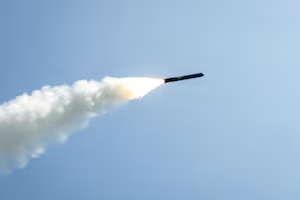
US Awards Raytheon $22.9 Billion Seven-Year Deal to Boost Tomahawk Output
The United States has awarded Raytheon, a unit of RTX, a $22.9 billion seven-year contract to significantly increase production of Tomahawk cruise missiles for the U.S. Navy.
The contract, announced on August 17, 2026, is part of the U.S. government’s effort to accelerate the production of critical munitions and rebuild weapons stockpiles following increased military use and weapons supplies to allies.
Raytheon to Increase Tomahawk Production
Under the agreement, Raytheon will raise annual Tomahawk production to more than 1,000 missiles, compared with a current production rate of about 60 missiles a year for the U.S. forces.
The company said the seven-year contract is designed to provide a more stable and predictable supply of Tomahawk missiles for the U.S. Navy and allied forces.
Raytheon has already increased deliveries. RTX said Tomahawk deliveries in the first half of 2026 were three times higher than during the same period in 2025.
Why the US Is Increasing Tomahawk Output
The production expansion comes as the United States works to replenish stocks of precision-guided weapons.
The Tomahawk is a long-range cruise missile used by the U.S. Navy and launched from ships and submarines. Its ability to conduct precision strikes at long distances has made it an important part of the U.S. military’s conventional strike capabilities.
The need to expand production has become more urgent following increased U.S. weapons use and military support to allies. Reuters reported that U.S. weapons stockpiles have been strained by arms supplies to allies and use during the Iran conflict.
RTX Plans More Investment in Production Capacity
RTX said Raytheon will invest in its workforce, technology, supply chain, and manufacturing facilities to support the higher production rate.
The company is also working with hundreds of small and medium-sized U.S. suppliers as it expands its manufacturing capacity.
The contract is part of a broader push by the U.S. government to secure longer-term commitments from defence manufacturers and increase domestic production of critical weapons.
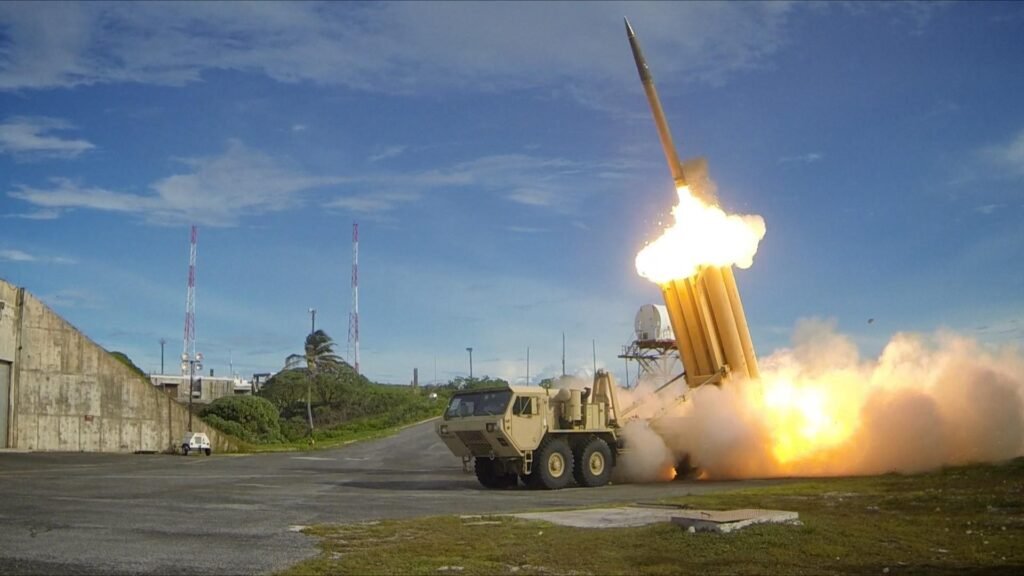
Other recent agreements have also targeted higher production of missile systems and components, including Patriot and THAAD-related systems.
What the $22.9 Billion Deal Means for Raytheon
For Raytheon and its parent company RTX, the agreement provides a long-term order for one of the U.S. Navy’s major strikes weapons while giving the company greater certainty as it expands production.
For the U.S. military, the objective is to move from relatively low annual Tomahawk production to more than 1,000 missiles a year, allowing the Navy to rebuild inventories while maintaining supplies for future operations and allied requirements.
The seven-year timeframe also gives Raytheon a longer window to expand facilities, workforce, and suppliers rather than relying on short-term production increases.
The $22.9 billion agreement, therefore, represents a major expansion of the U.S. Tomahawk production program as Washington moves to strengthen its munitions supply chain and replenish depleted stockpiles.
Tomahawk Demand Extends Beyond the U.S. Navy
The expanded production is also intended to support demand from U.S. allies that operate or are seeking the Tomahawk missile. The longer contract gives Raytheon greater visibility over future orders while allowing production capacity and the supply chain to be expanded around a more predictable demand base.
Seven-Year Deal Gives Raytheon Longer Production Visibility
The seven-year agreement provides Raytheon with a long-term production commitment rather than relying on shorter procurement cycles. That gives the company more room to plan hiring, supplier orders and manufacturing investments as it works toward the new annual production target.