UK Energy Bills Could Rise 16% in January 2027: What Is Driving the Increase? Analysis:
The forecast highlights the UK’s exposure to international gas-market volatility, with winter supply conditions likely to influence the cost outlook.
UK households could face another increase in energy costs from January 2027, with Cornwall Insight forecasting that the annual cost for a typical household using gas and electricity could reach £1,999. The estimate reflects renewed pressure in wholesale energy markets, with developments in international gas supply adding uncertainty ahead of winter.
The forecast represents a £276 increase from the current annualized price-cap level of £1,723. However, the figure is not final.UK Energy regulator Ofgem is due to announce the price cap for January to March 2027 on November 25, and the final rates could differ from the current projection.
Conflict and Gas Supply Pressures Drive the Forecast
The forecast reflects higher wholesale energy prices amid conflict in the Middle East. International gas markets can react to disruptions affecting supply and shipping, as well as uncertainty about future availability. When wholesale costs rise, energy suppliers face higher expenses that can feed into household tariffs.
ALSO READ:
European gas storage is another factor. Cornwall Insight reported that storage levels were unusually low for the time of year at the beginning of September. Replenishing reserves before winter can intensify competition for available supplies, although the effect on prices depends on demand, imports, weather, and the wider supply outlook.
The key question is whether these pressures persist into the period used to calculate the next price cap. A sustained rise in wholesale prices could keep costs elevated, while easing supply concerns could reduce some of the upward pressure before Ofgem makes its decision.
How the January Forecast Compares With the Current Price Cap
Cornwall Insight’s projected annualized bill of £1,999 is £276 above the current level of £1,723. That is an increase of approximately 16%, but it should not be interpreted as a flat charge that every household will pay.
The price cap limits the unit rates, and standing charges suppliers can apply to customers on covered default tariffs. It does not set a single total bill for all households. Actual spending varies with energy use, so a household that consumes more electricity or gas will generally pay more than one that uses less.
The comparison is still significant because it indicates how quickly household energy costs could move if wholesale market pressures feed through to the cap. For families already managing higher food, housing, and transport expenses, even a change of a few hundred pounds a year could narrow the money available for other needs.
Why Europe’s Gas Storage Levels Matter for the UK
Gas storage levels matter because European countries need reliable supplies as heating demand rises during colder months. When reserves are low, countries and energy companies may need to buy more gas to rebuild inventories, adding to demand in an already competitive market.
The UK is connected to wider European gas markets through imports, exports, and shared price dynamics. Domestic production and supply arrangements remain important, but they do not insulate British consumers from international price movements. Changes in European demand or supply can influence the wholesale prices faced by UK energy suppliers.
Low storage does not automatically mean that prices must rise. Mild weather, strong imports, or improved supply can ease pressure, while a cold winter or disruption to deliveries could tighten the market. Storage is, therefore, one indicator to watch alongside wholesale prices and supply conditions rather than a standalone prediction of the final household bill.
Higher UK Energy Costs Could Put Pressure on Inflation?
A fresh rise in energy bills could complicate the UK’s fight against inflation just as households and businesses try to manage their costs. If gas and electricity remain expensive, some companies may have little choice but to pass part of the increase to customers.
The pressure would not stop at utility bills. Manufacturers could face higher production expenses, while shops, restaurants, and other businesses may have to contend with customers who have less money to spend. How much this affects inflation will depend on whether energy prices stay high and how widely the additional costs spread.
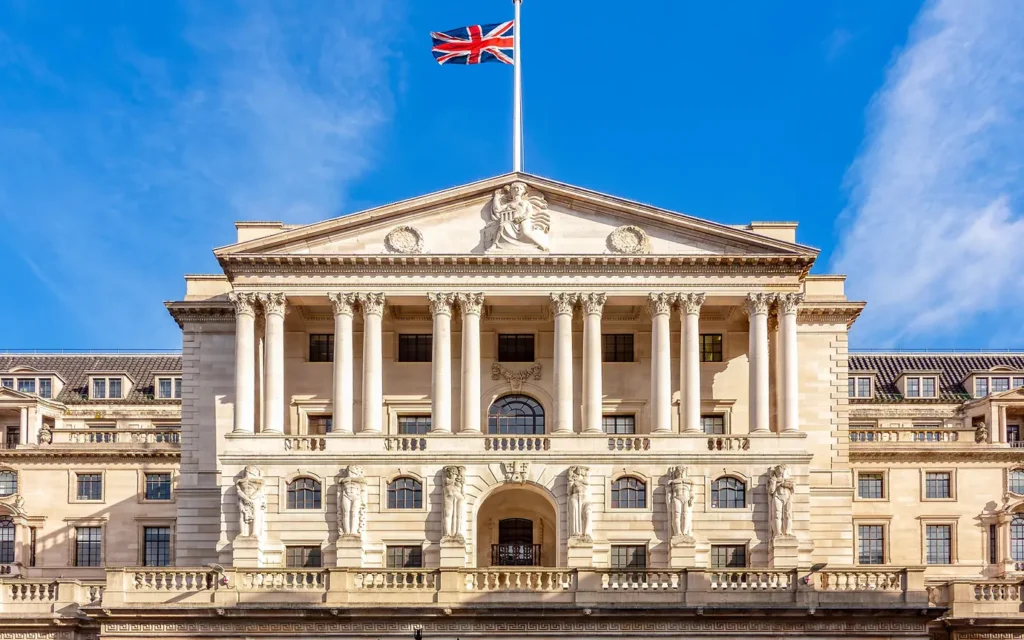
For the Bank of England, the concern would be whether higher energy prices create a lasting inflation problem. The projected 16% increase is not a forecast for inflation itself, but a prolonged rise in energy costs could make the outlook harder to manage.
What the Forecast Means for Households and Businesses
For households, the difference between £1,723 and £1,999 amounts to another £276 a year if the forecast materialises. That could mean less room in the budget for groceries, transport, or other everyday expenses, particularly for families already struggling with rising living costs.
Businesses face a different calculation. Absorbing higher energy bills could squeeze profits; passing the costs on could make products and services more expensive. Some firms may manage the increase more easily than others, depending on their energy use and financial position.
The wider impact will depend on the final price cap and how long energy-market pressure lasts. For now, households and businesses face the prospect of another cost increase without knowing how much of the forecast will reach their bills.
What Will Determine the Final January UK Price Cap?
The next key date is November 25, when Ofgem is due to announce the price cap for January to March 2027. Wholesale energy prices can still move before then, meaning the final decision may differ from the current forecast.
The £1,999 figure represents an annualised cost for a typical dual-fuel household, not a fixed amount every customer will pay. Actual bills depend on consumption and the rates that apply to each household.
Until Ofgem publishes its decision, the forecast remains a warning of possible renewed pressure on household finances. Whether that pressure becomes a 16% increase will depend on where energy prices stand when the cap is finalised.