UAE President, Sheikh Mohamed bin Zayed Al Nahyan visited Germany: What UAE residents need to know
UAE President, Sheikh Mohamed bin Zayed Al Nahyan visited Germany: Makon Financials Ananlysis
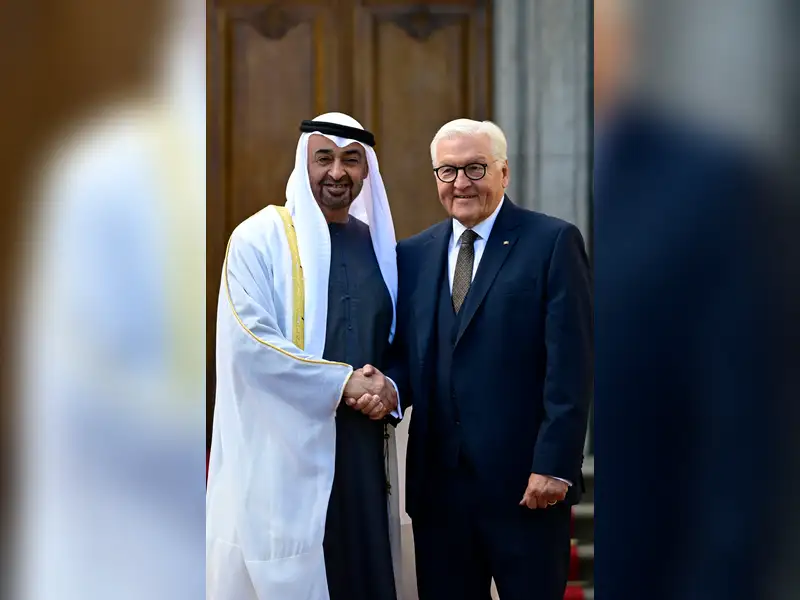
UAE President Sheikh Mohamed bin Zayed Al Nahyan’s state visit to Germany has put a much larger economic relationship between the two countries on the table, with the UAE announcing plans to invest €40 billion in Germany and companies from both countries signing agreements worth €9.356 billion.
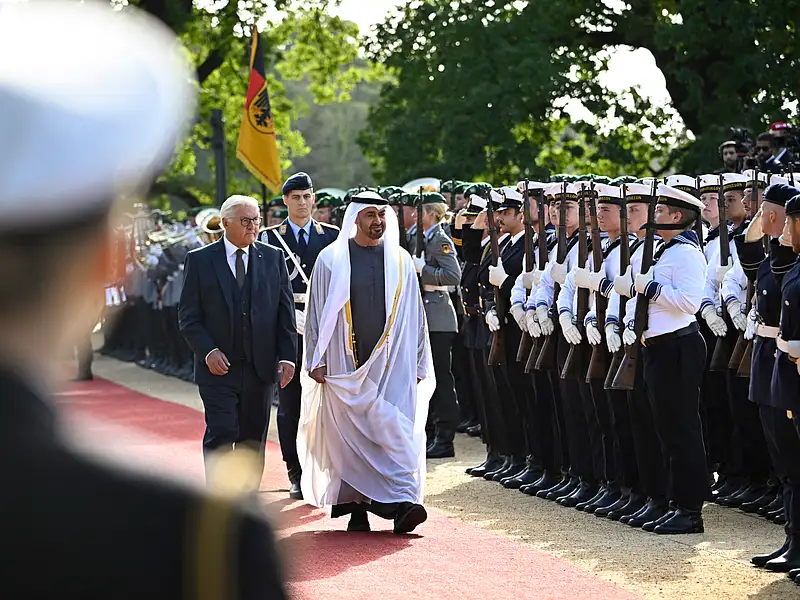
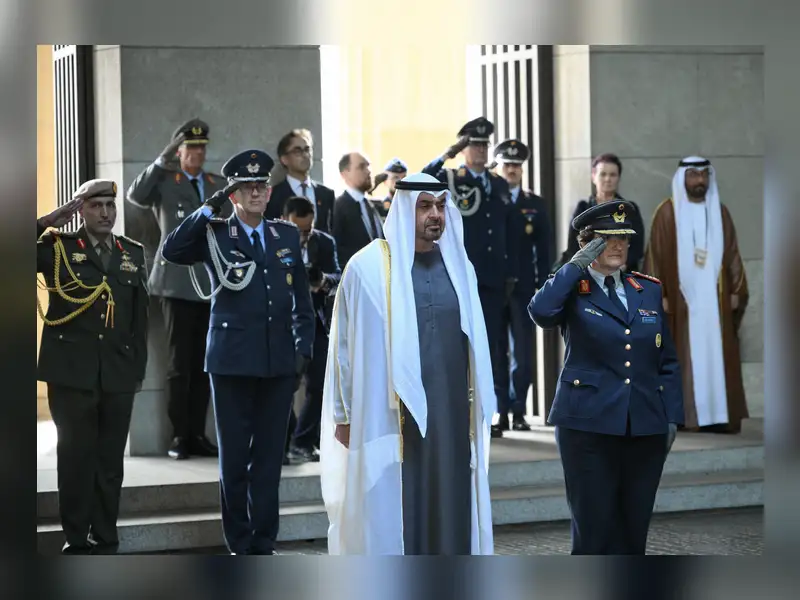
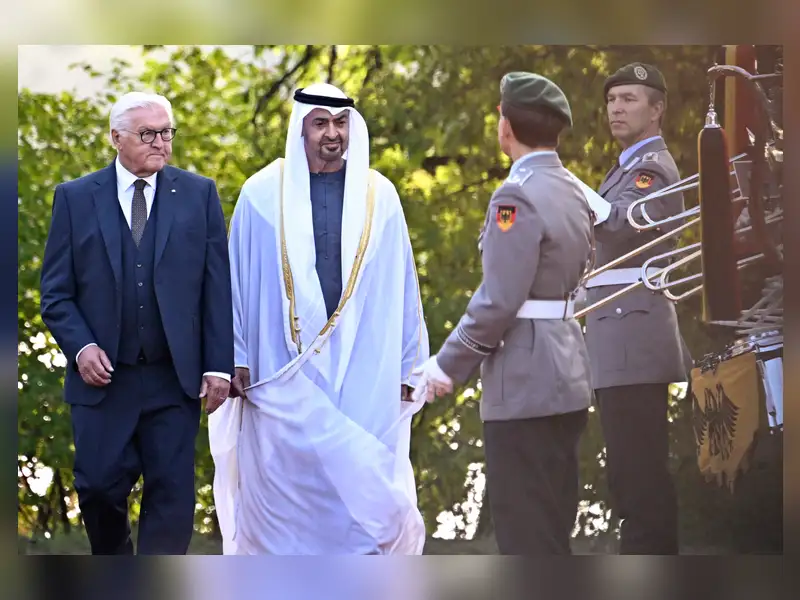
The visit, which ran from September 9 to 11, brought Sheikh Mohamed together with German President Frank-Walter Steinmeier and Chancellor Friedrich Merz as the two countries looked to deepen cooperation in investment, energy, technology, trade and aviation.
For the UAE, the most significant announcement was the new €40 billion investment package. It comes on top of an existing UAE investment position in Germany, estimated at about €34 billion, taking the potential scale of Emirati capital committed to the German economy considerably higher if the new package is fully deployed
The investment programmed is aimed partly at Germany’s industrial and technological capacity. One of the areas identified is digital infrastructure, including new data centers with approximately 1 gigawatt of capacity.
Also Read:
- UAE Labour Violations Fall 15%: What Employers Need to Know
- UAE Sets New VAT Rules for Crypto Payments and Dirham Conversion
That is notable because the UAE has been directing increasing amounts of capital towards artificial intelligence, computing infrastructure, and other parts of the digital economy. Germany, meanwhile, has been looking for investment that can support its industrial base and strengthen its position in emerging technologies.
The relationship is, therefore, moving beyond the traditional UAE-Germany trade relationship. Capital, technology, and industrial capacity are becoming increasingly connected between the two economies.
The two governments also welcomed 29 agreements between UAE and German companies with a combined value of €9.356 billion. The deals cover areas including energy, technology, and industry, adding a private-sector layer to the larger government investment announcement.
A UAE-German Investment Council will also be established. Its importance will depend less on the announcement itself than on how effectively it helps turn the growing pipeline of investment proposals into actual projects.
Germany is Europe’s largest economy and has a large industrial base, while the UAE has positioned itself as a capital and logistics hub connecting Europe with markets across the Gulf, Asia, and Africa. A deeper investment relationship gives companies in both markets more room to use those respective advantages.
The trade relationship is already substantial. Non-oil trade between the UAE and Germany reached $15.5 billion in 2025, according to the joint declaration, with the two sides now looking to expand the relationship beyond existing trade flows.
Energy remains another important part of the relationship. The two countries agreed to deepen cooperation across areas including LNG, renewable energy, and hydrogen, while technology cooperation will cover artificial intelligence and other emerging technologies.
For German companies, the UAE offers access to a market that has become increasingly important for energy, infrastructure, and technology investment. For UAE investors and companies, Germany provides exposure to one of the world’s largest industrial economies and a base within the European market.
The aviation agreement announced during the visit also has a more immediate commercial relevance.
Germany agreed to additional traffic rights for Emirates, allowing the airline to operate a regular service between Berlin and Dubai. The move is expected to strengthen air connectivity between the two markets and could support business and tourism flows. It also has a competitive dimension in Germany, where Lufthansa has criticised the additional access for Emirates.
The new arrangements should not be interpreted as a blanket visa-free agreement for UAE residents travelling to Germany. German entry requirements continue to depend primarily on the traveller’s nationality and passport.
UAE citizens already have visa-free access to Germany for eligible short stays, while an expatriate living in Dubai, Abu Dhabi, or another emirate remains subject to the visa requirements attached to their own nationality. A UAE residence visa by itself does not give an expatriate the same entry rights as a UAE passport holder.
This distinction is particularly important for the large expatriate population in the UAE. A Nigerian, Indian, Pakistani, Filipino or other foreign national living and working in the UAE cannot assume that the agreements announced during Sheikh Mohamed’s visit have removed the requirement for a German or Schengen visa where one is normally required.
The travel development that was specifically announced during the visit concerns UAE citizens and Germany’s EasyPASS border-control system. It is a facilitation measure for eligible Emirati travelers rather than a new immigration arrangement covering every UAE resident.
The UAE is committing additional capital to Germany at a time when Berlin is seeking investment, industrial competitiveness, and stronger international partnerships. Germany, in turn, gives the UAE access to industrial expertise, technology, and a major European market.
The €40 billion announcement, therefore, matters beyond the headline figure. If the planned investments translate into data centres, energy projects, technology partnerships, and industrial investments, the relationship could create a larger pipeline of commercial activity between the UAE and Germany in the years ahead.
For UAE residents, the immediate impact will vary. Businesses involved in investment, technology, energy, logistics, and international trade are more likely to feel the effects than ordinary consumers. Travellers will see a more direct change through expanded air connectivity, while expatriates should not expect the visit to have altered their German visa requirements.
The visit has ultimately moved the UAE-Germany relationship further towards investment and strategic economic cooperation, with the next test being how much of the announced capital and corporate agreements turn into projects on the ground.