UAE Fuel Prices Rise in October: What It Means for Consumers and Businesses
latest fuel adjustment extends beyond the cost of filling a vehicle. Higher petrol and diesel prices can affect household transportation budgets, commercial fleets, delivery operations and the cost of moving goods.
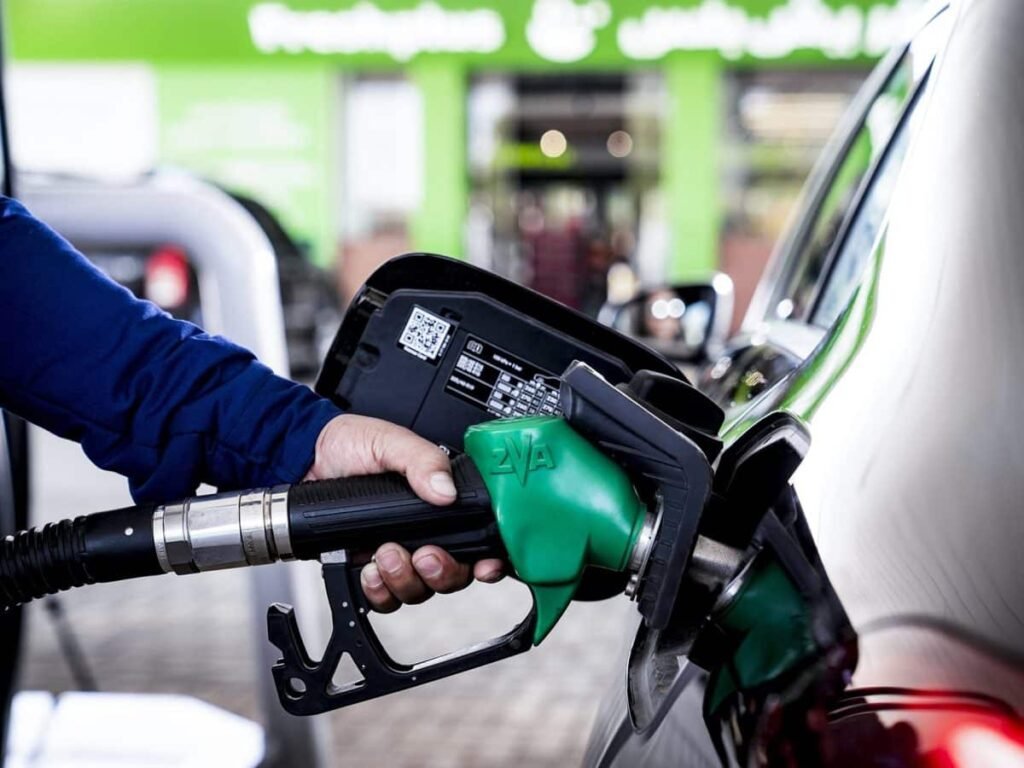
UAE motorists will face higher fuel costs in October after the Fuel Price Committee raised petrol and diesel prices across all categories. The new rates take effect on October 1.
Super 98 will rise to AED 4.40 per litre from AED 3.80 in September. Special 95 will increase to AED 4.28 from AED 3.69, while E-Plus 91 will move to AED 4.21 from AED 3.61. Diesel will increase to AED 4.80 per litre from AED 4.30.
The increases range from 50 to 60 fils per litre. Petrol prices are therefore rising by roughly 16%, while diesel is increasing by about 11.6%.
The immediate impact on motorists
The most direct effect will be felt by drivers who refuel frequently. A 60-litre tank of Super 98 will cost AED 264 at the new rate, compared with AED 228 in September. That is an additional AED 36 for the same amount of fuel.
For Special 95, filling a 60-litre tank will cost AED 256.80, compared with AED 221.40 previously. E-Plus 91 will cost AED 252 for 60 liters, up from AED 216. The actual effect on an individual’s monthly budget will depend on mileage, vehicle efficiency, and the type of fuel used. Someone commuting long distances every day will naturally feel the increase more than someone who drives occasionally.
Businesses will feel the increase differently
The effect becomes more significant for businesses that operate vehicles as part of their normal operations. Delivery companies, logistics operators, transport businesses, and other commercial fleets will have to account for higher fuel expenses. Diesel users, in particular, will face a noticeable increase because the price is moving up by 50 fils per litre.
ALSO READ:
A company with sufficient margins may absorb part of the increase. Another business may try to reduce other expenses or improve route and fleet efficiency. Companies with tighter margins may eventually pass some of the additional costs to customers.
Why the increase matters beyond the fuel station
Fuel is an input into transportation, and transportation is an input into many parts of the economy. When it becomes more expensive to move goods, operate delivery vehicles or transport workers, businesses face higher operating costs. The effect can therefore extend beyond motorists to companies that do not sell fuel or operate large fleets themselves.
However, it would be misleading to equate a roughly 16% rise in petrol prices with a similar increase in the overall cost of living.
Fuel represents only one part of household expenditure, and its importance varies from one household to another. The same applies to businesses: a transport company’s exposure to fuel prices is very different from that of an office-based company.
Global oil markets remain an important factor
The UAE’s fuel-pricing system reviews prices monthly using movements in global energy markets alongside local market conditions. The latest increase comes as international oil prices have remained elevated. Brent crude was trading above $100 a barrel in late September amid concerns about energy supplies and developments affecting the Middle East oil market.
That provides the broader market context for the UAE’s latest adjustment, although the domestic fuel price is determined through the UAE’s monthly pricing mechanism rather than by the movement of crude prices on a single trading day.
What businesses and households should watch
The more important question now is whether higher fuel costs remain temporary or persist in subsequent months. For households, the effect will largely depend on driving patterns and how much of their income is allocated to transportation.
For businesses, the issue is more closely tied to margins. Companies with fuel-intensive operations will need to consider whether the additional cost can be absorbed or whether it will affect pricing and other spending decisions. Future fuel-price adjustments will continue to depend partly on developments in international energy markets.
For now, the October adjustment means motorists will pay significantly more at the pump, while fuel-dependent businesses will have another cost increase to incorporate into their operating budgets.
Makon Financials





