Revolut Joins Global Stablecoin Race With Euro-Backed Token

Revolut Joins Global Stablecoin Race With Euro-Backed Token
Revolut has entered the global stablecoin market with a euro-backed digital token, stepping up its push to connect traditional currencies with blockchain-based financial services.
The fintech on Wednesday began a phased rollout of EURR, its first stablecoin, to select eligible customers in Denmark, Poland, and Portugal. Revolut plans to expand access to other European Economic Area markets later this year.
EURR is designed to maintain a value linked to the euro and will be integrated into Revolut’s retail app. The launch gives customers access to a euro-denominated asset that exists on blockchain infrastructure rather than solely within the traditional banking system.
The move places Revolut in a growing race among financial and payments companies to establish a position in the stablecoin market, which has so far been dominated by dollar-based tokens.
EURR Is Issued by Bridge, Not Revolut
Despite being marketed through Revolut, EURR is not issued directly by Revolut.
The token is an electronic-money token issued by Bridge Building S.A., a Luxembourg-based electronic-money institution authorized and supervised by the country’s financial regulator, the Commission de Surveillance du Secateurs Financier.
Revolut Digital Assets Europe Ltd acts as the offeror of EURR and is admitting the token for trading on the Revolut X platform. Revolut’s regulatory disclosure explicitly identifies Bridge Building S.A. as the issuer.
The arrangement allows Revolut to put a stablecoin directly into its customer ecosystem while relying on a regulated issuer for the token’s issuance.
How EURR Works
EURR is intended to maintain a one-to-one value with the euro.
Holders have the right to redeem EURR against Bridge Building S.A. at par value, subject to the applicable terms and redemption process.
That structure is central to the stablecoin model. Rather than exposing users to the large price swings associated with assets such as Bitcoin, a euro-backed stablecoin is designed to keep its value closely tied to the underlying fiat currency.
For Revolut, the attraction is the ability to combine that relatively stable value with blockchain-based transfer and settlement.
The company says EURR is part of its wider effort to act as a bridge between fiat currency and crypto, bringing euros on-chain while connecting its existing currency-exchange and digital-asset businesses.
Revolut Is Starting With Three Markets
EURR is not being released to Revolut’s entire European customer base at once.
The initial rollout covers selected eligible customers in Denmark, Poland and Portugal.
Revolut said availability is expected to expand to additional EEA markets later in 2026.
The phased approach gives the company an opportunity to test the product before making it more broadly available.
That will be important in a market where having a large customer base does not automatically translate into stablecoin adoption.
Revolut says it has more than 80 million retail customers globally and more than 16 million crypto users, giving EURR a potentially significant distribution network from the beginning.
The Euro Stablecoin Market Is Still Small
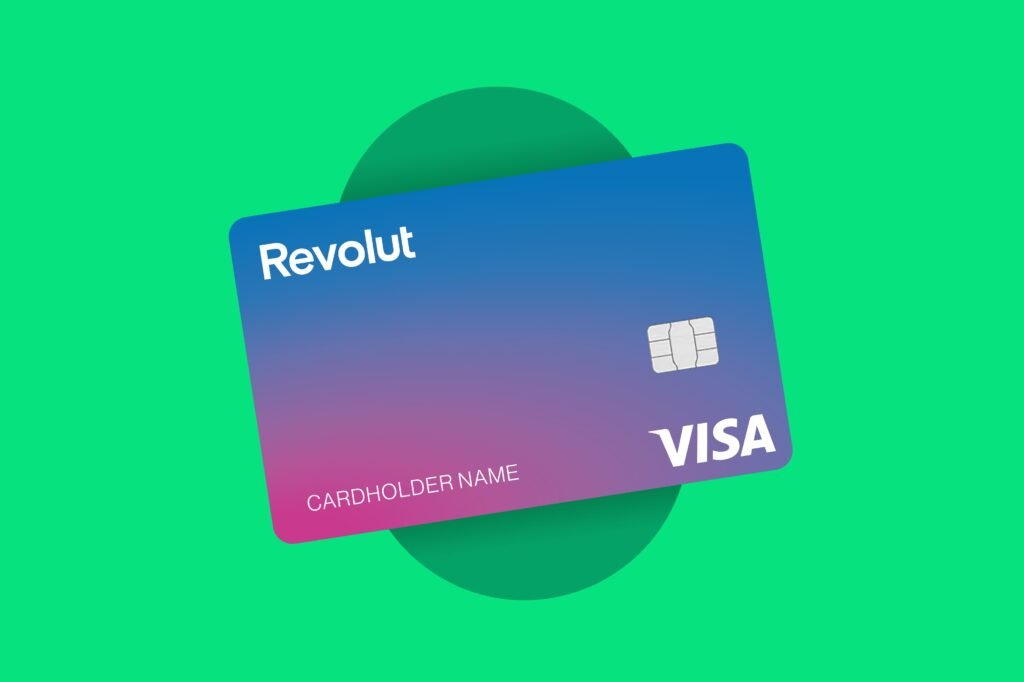
Revolut is entering a stablecoin market where the US dollar remains dominant.
Dollar-backed tokens have accumulated significantly greater liquidity and adoption than euro-denominated alternatives. That gives Revolut an opportunity to build a euro-focused product, but it also means EURR enters a market where competitors already have established liquidity and users.
The euro stablecoin segment includes products such as Circle’s EURC and other regulated tokens.
Revolut’s advantage is its existing customer relationship. Instead of launching a standalone token and waiting for users to find it, the company can distribute EURR through an established financial application.
Whether that translates into meaningful circulation will depend on how customers use the token.
Revolut Wants Stablecoins to Connect Fiat and Crypto
The launch is part of a broader strategy rather than simply another cryptocurrency listing.
Stablecoins can provide a blockchain-based representation of fiat money that can move between wallets and blockchain applications without requiring the underlying transaction to operate entirely through conventional banking rails.
For a company built around foreign exchange, international transfers and digital assets, that creates several potential uses.
EURR could eventually support transfers between fiat and crypto balances, provide a euro-denominated settlement asset and give users a way to move euro value through blockchain networks.
But those possibilities depend on adoption.
A stablecoin becomes more useful as its liquidity, integrations and number of users increase.
Regulation Is a Major Part of the Launch
EURR is launching within Europe’s increasingly structured regulatory environment for crypto assets.
Bridge Building S.A.’s status as a regulated electronic-money institution is significant because the issuer is subject to supervision by Luxembourg’s CSSF. Revolut’s own disclosure identifies EURR as an electronic-money token and provides the issuer and redemption details to customers.
That regulatory framework distinguishes EURR from stablecoins issued through less transparent structures.
For financial companies, regulatory compliance is becoming an increasingly important part of the stablecoin competition as governments and regulators seek greater control over digital representations of fiat currency.
Revolut’s Bigger Stablecoin Ambition
Revolut is presenting EURR as the first step in a broader stablecoin strategy.
The company says additional currency-denominated stablecoins are being developed through separate regulatory pathways.
That suggests the longer-term objective may extend beyond a single euro token.
If Revolut can establish EURR as a useful part of its European customer ecosystem, the same model could potentially be applied to other currencies and markets.
That would move the company deeper into the infrastructure connecting conventional money with blockchain-based financial services.
For now, however, EURR remains at the beginning of that process.
The initial rollout is limited to three countries, and the company still has to prove that customers will use a tokenised euro rather than simply holding and transferring conventional euros.
The significance of Wednesday’s launch is, therefore less about the size of EURR today and more about the direction Revolut is taking.
The fintech is betting that stablecoins will become an important part of global payments and digital finance, and it wants a euro-denominated position in that market before it becomes significantly larger.
For Revolut, EURR is not just a new crypto asset. It is a test of whether blockchain-based euros can become part of the everyday financial infrastructure used by millions of customers.