Nigeria’s plastic waste is creating new supply opportunities for manufacturers
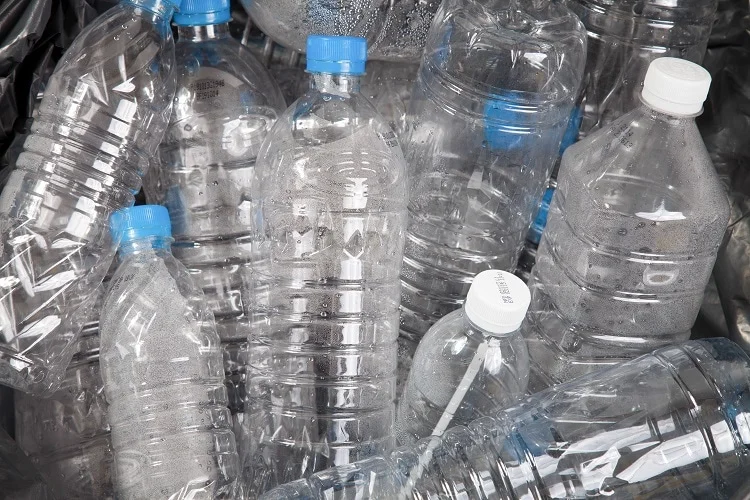
Nigeria’s expanding plastic recycling industry is opening up a new source of raw materials for manufacturers, as investment in processing facilities and collection networks creates a stronger commercial market for discarded bottles.
The development is bringing together businesses that operate at different stages of the supply chain, from informal waste collectors and small-scale aggregators to industrial recyclers producing materials that can return to manufacturing.
One of the latest investments is Polysmart Packaging Limited’s expanded recycling facility in Mowe, Ogun State. The company commissioned the first phase of its $60 million facility on October 29, 2026, with a design capacity to process up to 100,000 tonnes of used polyethylene terephthalate (PET) bottles annually.
According to the company, the facility is expected to produce 60,000 tonnes of food-grade recycled PET and 20,000 tonnes of other recycled plastics annually when operating at full capacity. Its output is intended to supply manufacturers with recycled materials for packaging and other industrial applications.
The investment comes as Nigeria’s demand for plastic packaging continues to create opportunities for businesses capable of recovering and processing used materials.
PET, commonly used in bottled water, soft drinks and food packaging, is among the plastics that can be collected, processed and converted into material for new products.
Instead of relying entirely on newly manufactured plastic resin, manufacturers can use recycled PET in suitable applications, subject to product specifications and food-contact requirements.
Nigeria generates an estimated 500,000 metric tonnes of PET plastic waste annually, according to a study by TechnoServe. Much of this material remains uncollected or unrecycled, representing both an environmental problem and a potential source of industrial raw materials.
The gap between the volume of discarded plastic and the quantity recovered for processing is particularly important for manufacturers. Recycling facilities need a reliable supply of suitable bottles before they can maintain production and deliver materials to customers.
Polysmart’s expansion is designed to increase domestic processing capacity. The company has said it currently operates 25 aggregation centres across eight states and plans to establish another 250 centres across the country within two years.
That network will be important because the supply of used bottles does not begin at the factory gate. It depends on people and businesses collecting, sorting, storing and transporting materials from households, markets, offices and other locations.
The businesses making money before plastic reaches the factory
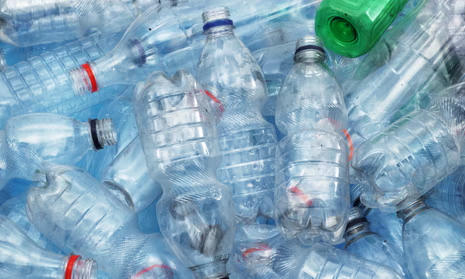
The expansion of recycling capacity is creating opportunities beyond the companies that operate the processing plants.
Plastic collection involves several layers of commercial activity. Individuals retrieve discarded bottles and sell them to collectors or aggregators, who gather larger quantities before supplying recycling companies.
Transport operators also play a role, moving recovered materials from collection points to aggregation centres and processing facilities. Businesses that provide sorting, weighing, baling and storage services can participate in the same supply chain.
ALSO READ
A United Nations Industrial Development Organization (UNIDO) project in Nigeria has demonstrated how organized collection infrastructure can support this activity.
At the Jabi Plastic Waste Collection Centre in Abuja, the project established a facility designed to handle up to 1,200 tonnes of plastic waste annually. UNIDO reported that the centre had collected and processed 9.079 tonnes since its launch in March 2026, created 11 direct green jobs and paid ₦2.59 million to waste pickers and aggregators.
In Lagos, the Okun Ajah collection centre recorded 76.11 tonnes of recovered plastic between February and August 2026. Its supply network included more than 15 schools, 25 households and 10 independent agents and aggregators.
These figures illustrate how collection centres can connect smaller suppliers to industrial recycling businesses. They also show that the commercial value of recycling depends on the organisations and infrastructure that move materials from scattered sources into processing facilities.
Collection and transportation remain major obstacles
Despite the growing investment in recycling plants, securing enough suitable raw materials remains a challenge.
TechnoServe’s study of Nigeria’s PET recycling value chain identified three major constraints: collectors lack affordable transportation, aggregators face limited access to equipment and working capital, while recyclers struggle to obtain consistent supplies of clean feedstock.
These problems affect the economics of the entire industry.
A collector may have access to large quantities of discarded bottles but lack the vehicle or funds to transport them. An aggregator may be able to purchase materials from several collectors but lack the equipment needed to compress, store and move them efficiently.
For recycling companies, inconsistent supplies can make it difficult to operate processing facilities at their intended capacity.
This means that additional factory investment alone will not resolve the industry’s supply problems. More collection points, better transportation arrangements, access to financing and improved sorting systems will also be necessary.
UNIDO’s recent work in Nigeria has focused on some of these gaps through equipment support, technical assistance and training for waste workers and private-sector operators.
A larger market for locally recycled materials
Polysmart’s expansion also raises the prospect of greater domestic production of recycled plastic materials.
According to figures supplied by the company, Nigeria consumes an estimated 600,000 tonnes of virgin PET annually. Polysmart says its facility could save the country approximately $72 million in foreign exchange each year by reducing the need for imported virgin resin.
Those savings are company projections rather than independently established outcomes. Their eventual scale will depend on actual production, manufacturers’ demand, the quality and price of recycled materials, and how much imported resin can realistically be replaced.
For Nigerian manufacturers, however, the availability of locally processed recycled PET could provide another sourcing option. It may also help packaging producers respond to increasing attention on plastic waste management and Extended Producer Responsibility requirements.
The commercial opportunity will extend beyond large recycling companies if investment in collection and aggregation allows smaller businesses to participate in a more organized supply network.
Nigeria’s plastic recycling industry is therefore developing into more than a waste management activity. It is becoming a link between households, informal businesses, transport operators, industrial processors and manufacturers.
The next test will be whether the country can build a dependable collection system capable of supplying its growing processing capacity.