Naira Breaks Below ₦1,500 Against Euro for First Time Since April 2024
The naira has strengthened against the euro, with the exchange rate falling below ₦1,500 per euro for the first time since April 2024, as recent market data show a continued decline in the EUR/NGN rate.
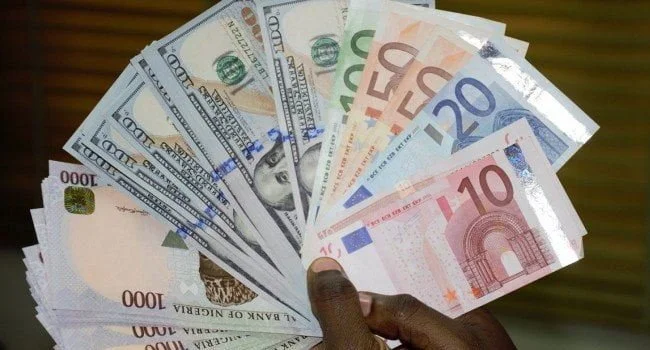
The Nigerian naira has strengthened against the euro, with the exchange rate falling below ₦1,500 per euro for the first time since April 2024, according to data from the Central Bank of Nigeria (CBN) reported by Nairametrics.
The CBN data showed the naira closing at ₦1,497 per euro on Monday, October 5. Separately, Investing.com showed the EUR/NGN rate at about ₦1,493.70 on Monday.
The move follows a steady decline in the euro-naira rate during September. Investing.com data showed the pair at ₦1,539.44 on September 11 before falling to ₦1,496.81 at the close of October 2. The pair had traded as high as ₦1,552.65 during the period covered by the data.
ALSO READ
The latest level is significant because the euro-naira exchange rate had remained above ₦1,500 since April 2024. Nairametrics reported that the naira had subsequently weakened against the euro following the foreign exchange market reforms and currency adjustment in 2024, with the rate later rising as high as ₦1,800 per euro
What is driving the recent move?
One factor behind the latest movement is the euro’s weakness against the US dollar. Nairametrics reported that the euro fell 0.8% to about $1.1161 on October 5, its weakest level against the dollar since May 2025.
The naira has also remained relatively stable against the US dollar in Nigeria’s official foreign exchange market. Nairametrics reported that the naira traded within a relatively narrow range of about ₦1,327 to ₦1,330 per dollar in the official market.
Because the euro-naira rate is influenced by movements in both currencies against the US dollar, weakness in the euro can result in a lower euro-naira exchange rate when the naira is relatively stable against the dollar.
What it means for Nigerians
The decline in the euro-naira rate means that Nigerians buying euros or making payments denominated in the European currency could face a lower naira cost than they would have at an exchange rate above ₦1,500 per euro.
This could be relevant to Nigerians paying for education, travel or other expenses in euros, although the actual rate available to customers can differ from quoted market and official rates depending on the bank or foreign-exchange provider.
For now, the naira’s move below ₦1,500 per euro marks its strongest level against the European currency since April 2024. Whether the exchange rate remains below that threshold will depend on movements in the euro-dollar market and conditions in Nigeria’s foreign-exchange market.
Makon Financials