How to Build an emergency fund when you live paycheck to paycheck
How to Build an emergency fund when you live paycheck to paycheck
How to Build an Emergency Fund When You Live Paycheck to Paycheck: A Practical Guide to Financial Security
how to build an emergency fund, emergency fund while living paycheck to paycheck, personal finance tips, money management, financial stability, saving money on a low income
Why an Emergency Fund Matters More Than Ever
For many people, the idea of saving money feels impossible when every paycheck already has a destination. Rent, groceries, transportation, bills, family responsibilities, and unexpected expenses can quickly consume monthly income before there is anything left to save.
However, building an emergency fund is not only for people with high salaries or extra money. It is one of the most important financial habits anyone can develop, especially for those living paycheck to paycheck.
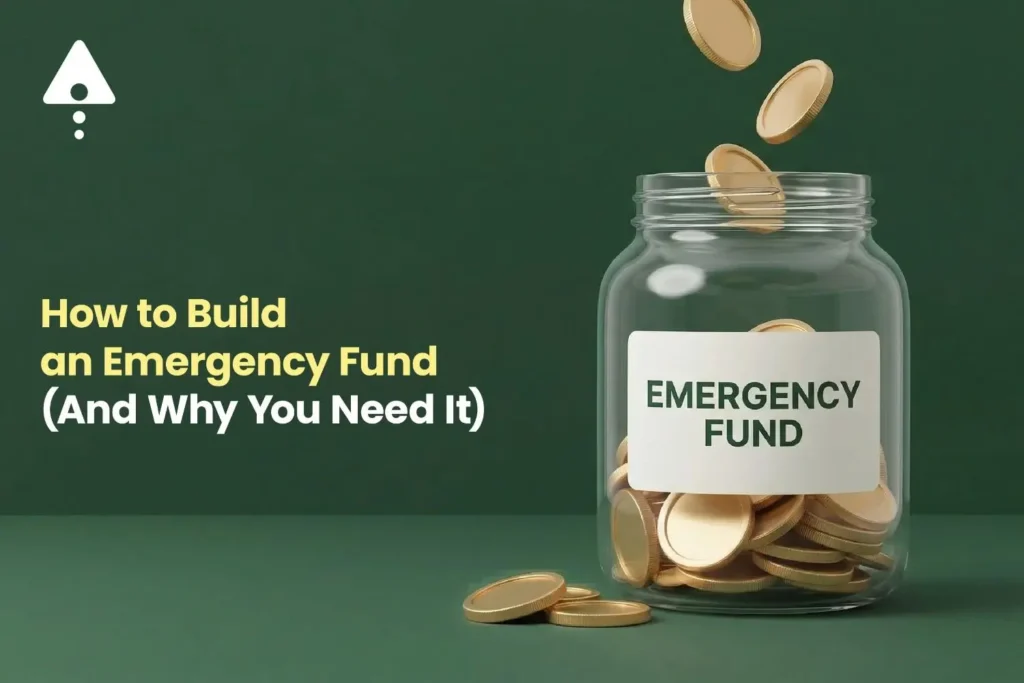
An emergency fund acts as a financial safety net. It helps you handle unexpected situations such as medical expenses, urgent repairs, job loss, or family emergencies without relying on credit cards, loans, or borrowing from others.
At Makon Financials, we believe financial security is not created by earning more alone. It is built through better money decisions, discipline, and having a plan that protects you from financial shocks.
Start Small, But Start Consistently
One of the biggest mistakes people make when trying to build an emergency fund is believing they need to save a large amount immediately.
The reality is that small savings can create a strong financial foundation over time. Saving $5, $10, or $20 regularly may seem insignificant, but consistency matters more than the amount at the beginning.
The goal is to create the habit of paying yourself first. Even if your income is limited, setting aside a small portion of every paycheck can gradually build momentum.
Instead of asking, “How can I save hundreds every month?” start by asking, “What amount can I realistically save without putting myself under pressure?”
Understand Where Your Money Is Going
Before building an emergency fund, you need to understand your current financial situation.
Many people struggle to save because they do not track their spending. Small daily expenses, subscriptions, unnecessary purchases, and impulse buying can quietly reduce the amount of money available at the end of the month.
Create a simple spending review by listing:
Your monthly income.
Essential expenses such as rent, food, transportation, and bills.
Non-essential spending such as entertainment, shopping, and subscriptions.
Once you understand where your money goes, you can identify areas where small adjustments can create room for savings.
Financial improvement does not always require major lifestyle changes. Sometimes, small decisions repeated consistently create the biggest results.
Create a Realistic Emergency Fund Goal
A common recommendation is to save three to six months of living expenses, but that goal can feel overwhelming for someone currently struggling to cover monthly costs.
Instead, build your emergency fund in stages.
Your first goal could be saving enough to cover one unexpected expense, such as a phone repair, medical bill, or transportation problem.
After reaching that milestone, aim for one month of essential expenses. Then gradually increase your target as your financial situation improves.
The purpose of an emergency fund is not to impress anyone. It is to give yourself financial breathing space.
Automate Your Savings Whenever Possible
Saving money becomes easier when you remove the need to make the decision every time.
If possible, set up an automatic transfer immediately after receiving your paycheck. Even a small automatic amount can help you build discipline.
When money moves into savings before you start spending, you are less likely to use it for unnecessary purchases.
For people living paycheck to paycheck, automation creates a system where saving happens naturally instead of depending only on motivation.
Reduce Expenses Without Making Life Miserable
Building an emergency fund does not mean you have to completely eliminate enjoyment from your life.
Extreme budgeting often fails because people create unrealistic restrictions that they cannot maintain.
Instead, focus on reducing expenses that provide little value.
Examples include:
Unused subscriptions.
Frequent food deliveries.
Unplanned shopping.
High bank fees.
Expensive habits that do not improve your quality of life.
The goal is not to remove everything enjoyable. The goal is to create more control over your money.
Find Ways to Increase Your Income
While cutting expenses can help, increasing income can accelerate your emergency fund growth.
Depending on your skills and opportunities, additional income can come from freelancing, online services, selling products, learning new skills, or taking temporary work.
A small extra income stream can make a significant difference because it gives you money that can go directly toward savings instead of being consumed by existing expenses.
In today’s economy, financial growth often requires combining money management with income development.
Keep Your Emergency Fund Separate
An emergency fund should be easy to access during a genuine emergency but separate from your everyday spending account.
Keeping your savings in the same account as your regular money can make it tempting to spend.
A separate savings account creates a mental barrier and helps you protect the money you are building.
Remember, the purpose of an emergency fund is not to finance shopping, vacations, or lifestyle upgrades. It exists to protect your financial future.
Avoid Comparing Your Financial Journey With Others
Social media often creates unrealistic expectations about money. Many people only show their achievements, expensive purchases, and successful moments while hiding their financial struggles.
Your financial journey is personal.
Someone else may have a higher income, family support, fewer responsibilities, or a different starting point. Comparing your progress to theirs can create unnecessary pressure.
The important thing is improving your financial position step by step.
The Long-Term Benefits of Having an Emergency Fund
An emergency fund does more than protect your money. It protects your peace of mind.
When unexpected expenses happen, you are less likely to panic or make desperate financial decisions.
You gain more confidence because you know you have a backup plan.
Over time, this financial cushion can also help you make better decisions, such as changing jobs, investing in education, starting a business, or handling opportunities without fear.
Makon Financials Insight: Financial Security Starts With Small Decisions
Building an emergency fund while living paycheck to paycheck is challenging, but it is possible.
The journey does not begin with a large amount of money. It begins with awareness, consistency, and the willingness to make better financial choices.
Every small amount saved is a step toward greater independence. Financial freedom is not built overnight. It is created through thousands of smart decisions made over time.
At Makon Financials, our focus is helping readers understand that personal finance is not only about making money, but also about protecting, managing, and growing what they already have.