How Interest Rates Affect Businesses, Consumers, and Financial Markets
Interest rates shape borrowing, saving, and investment decisions across the economy. Their effects reach businesses, consumers, and financial markets through changes in financing costs, asset prices, spending, and investment.

Interest rates influence some of the most important financial decisions made by businesses, households, and investors. They affect the cost of borrowing, the return on savings, investment decisions, asset prices, and, through these channels, overall economic activity.
Central banks use policy interest rates to influence financial conditions. A change in a central bank’s policy rate does not mean every loan or deposit rate will immediately change by the same amount, but it can influence the broader cost and availability of credit across an economy. The Federal Reserve says changes in its policy rate affect other short-term rates, which then influence household and business spending, employment, and inflation.
Also read: Bank of Japan Raises Rates to 1.25%, Highest in 31 Years
Businesses Face Changes in Financing Costs
Interest rates are particularly important for companies that depend on borrowing to finance their operations or expansion.
A business may borrow to purchase machinery, build a facility, acquire another company, maintain inventory, or provide working capital. When interest rates rise, the cost of financing these activities generally increases. Companies with variable-rate debt can see their interest expenses increase as market rates move higher, while businesses refinancing existing debt may face higher costs when new borrowing is arranged.
Higher financing costs can affect whether an investment makes financial sense. A project expected to generate a certain return may become less attractive if the company has to pay substantially more to finance it.
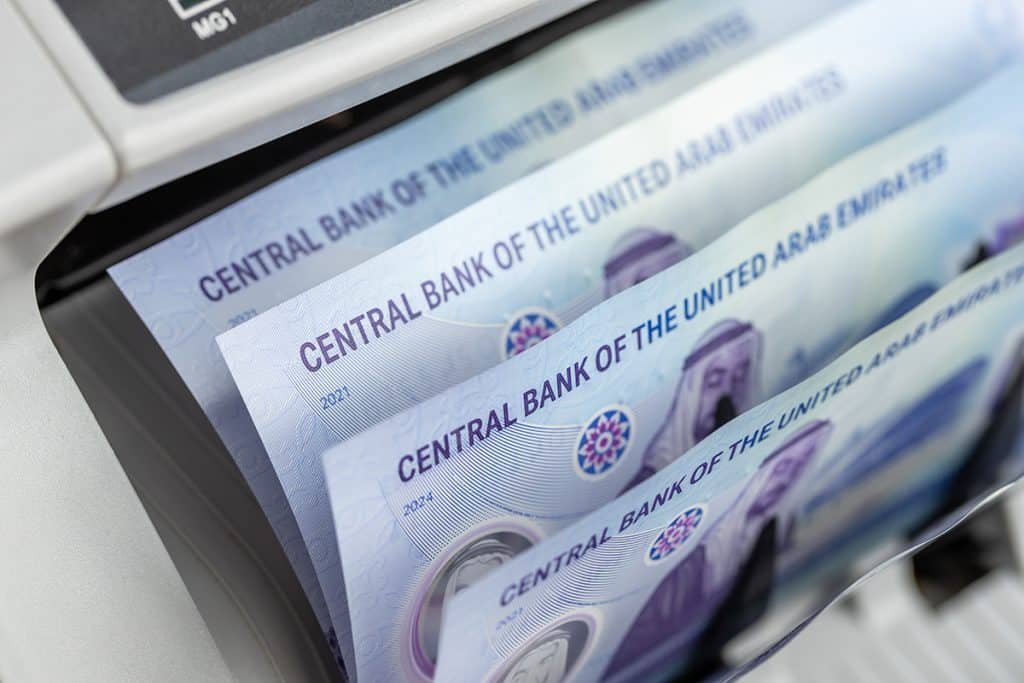
Also read: UAE Central Bank Raises Base Rate to 3.9% After Fed Rate Hike
Lower rates can have the opposite effect. Cheaper credit can make additional investment more affordable and may encourage companies to expand production, purchase equipment, or take on new projects.
The effect is not identical for every business. Companies with large cash balances can benefit from higher returns on interest-bearing assets, while highly indebted companies may face greater pressure from increased borrowing costs.
Consumers Change Borrowing and Saving Decisions
Households experience interest-rate changes through mortgages, personal loans, credit cards, vehicle financing, and savings accounts.
When borrowing becomes more expensive, households may delay large purchases or reduce the amount they borrow. This is particularly relevant for purchases that are normally financed through credit, such as homes and vehicles.
Higher rates can also make saving more attractive because banks and other financial institutions may offer higher returns on some deposits and savings products. The result can be a shift in household decisions between spending money today and saving it for future use.
When rates decline, borrowing generally becomes less expensive, and the incentive to save at higher interest rates becomes weaker. This can support household spending and demand for interest-sensitive goods.
The European Central Bank explains that changes in interest rates affect household cash flows through both debt payments and interest income, meaning the effect can differ between borrowers and people holding interest-bearing assets.
Financial Markets React to Changing Rates
Interest rates are also closely watched by investors because they influence the relative attractiveness of different financial assets.
YOUCAN ALSO READ
Bond markets are particularly sensitive to interest-rate movements. When market rates rise, newly issued bonds can offer higher yields. Existing bonds with lower fixed coupon payments may then become less attractive, which can put downward pressure on their market prices.
Stock markets can also respond to changes in interest rates. Higher rates can increase companies’ financing costs and affect expectations for future earnings. At the same time, higher yields on relatively lower-risk interest-bearing assets can change how investors allocate their money.
The Federal Reserve notes that changes in interest rates and expectations about future monetary policy can affect asset prices, household wealth, and corporate balance sheets.
Interest Rates Influence Inflation
One of the main reasons central banks adjust interest rates is to influence inflation and economic activity.
When inflation is persistent, a central bank may raise interest rates to make borrowing more expensive and reduce demand. Higher financing costs can cause households to spend less and businesses to scale back some investments. Reduced demand can ease pressure on prices over time.
When economic activity is weak or inflation is too low, a central bank can lower rates to reduce borrowing costs and encourage spending and investment.
The process does not happen immediately. Interest-rate changes work through several parts of the economy, and the timing depends on factors such as existing debt, household behavior, business confidence, and financial-market expectations. The Federal Reserve describes monetary policy’s effects on inflation and employment as occurring through broader financial conditions rather than through an instant or direct change.
Exchange Rates Can Also Respond
Interest-rate changes can extend beyond domestic borrowing and investment.
Investors compare returns across countries when deciding where to place capital. A change in interest rates can, therefore, affect the relative attractiveness of assets denominated in different currencies. This can influence demand for a currency and contribute to movements in exchange rates.
The relationship is not automatic because exchange rates also respond to inflation, economic growth, expectations, risk, and developments in other countries. However, interest-rate differentials are one of the factors investors consider when assessing international assets.
For businesses involved in international trade, currency movements can affect the local-currency cost of imports, the value of overseas revenue, and the competitiveness of exports.
Why Interest Rates Matter to Businesses and Investors
Interest rates connect decisions that may initially appear unrelated. A central bank decision can influence the cost of a company’s loan, the return on a household’s savings, the price of a bond, the valuation of a company and the exchange rate of a currency.
The impact also depends on whether an individual or business is a borrower, saver, investor, or a combination of all three. A higher-rate environment can increase income for some savers while raising financing costs for borrowers. A lower-rate environment can reduce borrowing costs while offering lower returns on some savings products.
For businesses, investors, and households, following interest rates is, therefore, not simply about knowing whether rates are rising or falling. The more important question is how the change affects financing costs, savings returns, investment decisions, asset prices, and demand across the economy.
Makon Financials