Bank of Japan Raises Rates to 1.25%, Highest in 31 Years
The BOJ has indicated that it wants inflation to remain sustainably around its 2% target rather than allowing temporary price pressures to become entrenched.

The Bank of Japan has raised its policy interest rate to 1.25% from 1%, taking borrowing costs in Japan to their highest level in 31 years, since April 1995, as the central bank responds to persistent inflation pressures.
The decision was made at the BOJ’s September 17–18 monetary policy meeting and passed by a 7–2 vote. Board members Toichiro Asada and Ayano Sato opposed the increase.
The latest move marks another step away from Japan’s long period of exceptionally low interest rates. The BOJ has been gradually tightening policy as price pressures have remained close to its 2% inflation target.
Inflation Remains Central to Policy
The decision comes as underlying inflation continues to concern policymakers. Japan’s core consumer inflation, excluding fresh food, rose 1.7% year on year in August, while inflation excluding fresh food and fuel increased 1.9%.
ALSO READ:
The BOJ has indicated that it wants inflation to remain sustainably around its 2% target rather than allowing temporary price pressures to become entrenched. Rising energy costs have added to the challenge facing the central bank.
Yen Weakens Despite Rate Increase
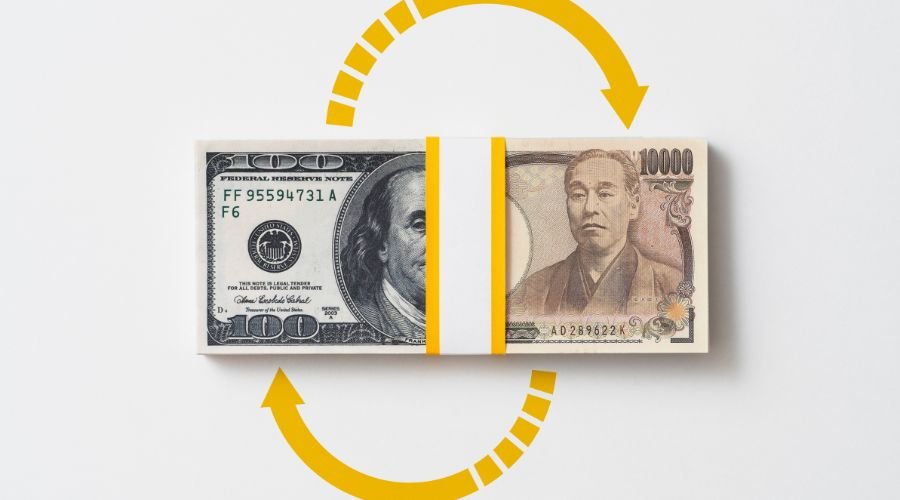
The interest-rate increase did not produce the immediate currency response that might normally be expected from tighter monetary policy.
The yen weakened after the decision, with the dollar rising against the Japanese currency as investors focused on the two dissenting votes and uncertainty over how quickly the BOJ will raise rates further.
The market reaction highlights the importance of the BOJ’s future guidance. Investors are now assessing whether Friday’s increase represents the start of a faster tightening cycle or another gradual step in the bank’s policy normalisation.
BOJ Leaves Further Moves Open
Governor Kazuo Ueda signalled that the central bank remains prepared to adjust policy as economic and price conditions develop. The BOJ’s latest decision, therefore, keeps the possibility of additional increases open without committing to a specific timetable.
Higher Borrowing Costs for Businesses
The increase to 1.25% raises the cost of borrowing for companies with variable-rate loans and businesses seeking new financing. Companies refinancing existing debt could also face higher interest expenses as financial conditions tighten.
Businesses planning expansion, new projects, or major equipment purchases may need to reassess their financing costs. The effect will vary depending on the company’s debt structure, loan terms, and exposure to interest-rate changes.
For companies operating on thin margins, higher financing costs could put additional pressure on cash flow and affect decisions on investment, hiring, or expansion.
What Business Owners Should Watch
Business owners with exposure to Japan should monitor further BOJ decisions, the yen, and changes in domestic demand. Another rate increase could further change borrowing conditions and influence business investment.
Companies involved in trade with Japan should also watch currency movements. Changes in the yen can affect the cost of Japanese imports, export revenues, and the competitiveness of businesses selling into the Japanese market.
The direction of wages, inflation, and consumer spending will also remain important. These factors will help determine whether the BOJ continues raising rates or keeps policy at its current level.
For financial markets, the next focus will be on the BOJ’s assessment of inflation, wages, economic activity, and the yen as policymakers determine whether further increases are necessary.
Makon Financials