UAE Fuel Prices Jump in August 2026 as Petrol and Diesel Rates Rise Again
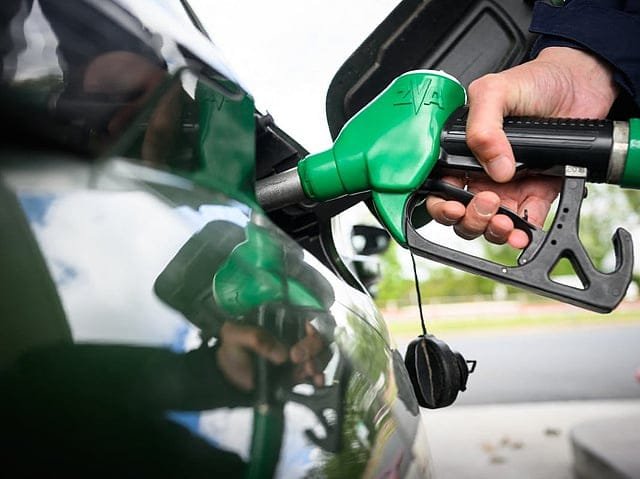
UAE Fuel Prices Jump in August 2026 as Petrol and Diesel Rates Rise Again
Updated 31/07/2026 Makon Financials | Mark Festus
The UAE has officially announced its fuel prices for August 2026, and for many residents, the latest update brings a familiar shift. After a short period of relief in July, fuel costs are moving upward again, reminding motorists how quickly things can change. UAE Fuel Prices Jump in August 2026 as Petrol and Diesel Rates Rise Again
From August 1, petrol and diesel prices will increase across all categories. This adjustment reflects ongoing movement in global oil markets, where prices continue to respond to supply concerns and geopolitical developments.
Super 98 petrol will now cost AED 3.60 per litre, while Special 95 is set at AED 3.49. E-Plus 91 will be priced at AED 3.41, and diesel will rise to AED 3.80 per litre. For regular drivers, the difference may seem small at first glance, but over time, it adds up, especially for those who rely heavily on daily commuting.
What makes this increase more noticeable is the contrast with July. Just last month, fuel prices dropped significantly, giving both individuals and businesses a bit of breathing space. Transport costs eased slightly, and there was a sense that the pressure might be slowing down. However, August has reversed that trend, showing once again how temporary such relief can be.
The reason behind this shift lies beyond the UAE. Fuel prices in the country are linked to international oil markets, which means local rates follow global trends closely. Recently, crude oil prices have been climbing again, influenced by supply uncertainties and tensions in key oil-producing regions. As those global factors intensify, local fuel prices naturally adjust alongside them.
For everyday life, the impact goes beyond just filling up a tank. Higher fuel costs tend to ripple through the economy. Delivery services, transportation companies, and small businesses all feel the pressure first, and those costs often find their way into the prices of goods and services. Over time, this can quietly affect the overall cost of living.
In the UAE, this monthly pricing system has become the norm. Residents have grown used to checking new rates at the end of each month, knowing that prices can rise or fall depending on global conditions. While this approach keeps pricing transparent and market-driven, it also means there is little buffer from international volatility.
From a broader perspective, the August increase highlights a key reality in 2026. Fuel prices are not moving in a stable direction. Instead, they continue to fluctuate, shaped by global uncertainty and shifting supply dynamics. Short-term drops may offer relief, but they are often followed by renewed increases.
UAE Fuel Prices Jump in August 2026 as Petrol and Diesel Rates Rise Again what to know?
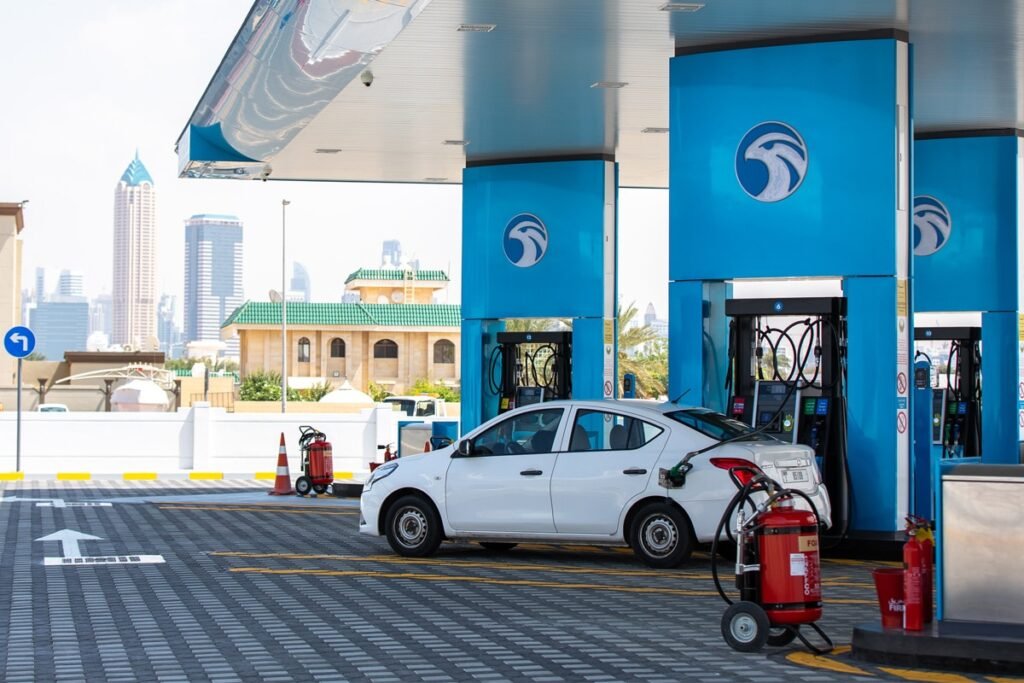
As fuel prices rise again in August 2026, the impact goes beyond just what drivers pay at the pump. For residents, one of the first things to watch is the gradual increase in daily transportation costs. Whether you rely on a personal vehicle, taxis, or ride-hailing services, higher fuel prices often translate into more expensive commutes over time.
Another key area to monitor is the cost of goods and services. Fuel is a major component of logistics and delivery, so when petrol and diesel prices increase, businesses may pass on those added costs to consumers. This can lead to slight but noticeable increases in food prices, online deliveries, and general retail expenses.
For businesses, especially those in transport, logistics, and delivery services, profit margins may come under pressure. Companies may need to adjust pricing strategies, optimize routes, or find more fuel-efficient solutions to stay competitive in a higher-cost environment.
Residents should also pay attention to budgeting and spending habits. With fuel taking up a larger portion of monthly expenses, it becomes important to plan trips efficiently, reduce unnecessary travel, and consider carpooling or public transport where possible.
Finally, keep an eye on global oil market trends. UAE fuel prices are closely linked to international oil prices, meaning any geopolitical developments or supply disruptions could lead to further adjustments in the coming months. Staying informed helps both individuals and businesses make smarter financial decisions in a changing cost environment.
For businesses and individuals alike, this environment calls for awareness and adjustment. Whether it is managing transportation costs more carefully or planning expenses with more flexibility, adapting to these changes has become part of everyday financial thinking.
How UAE Fuel Prices jump in August 2026 Affect Drivers
Rising fuel prices in August 2026 are already being felt by drivers across the UAE, especially those who rely on daily commuting. For many residents, even a small increase per litre adds up quickly over the month, particularly for people driving long distances between emirates like Sharjah, Ajman, and Dubai. This means higher weekly fuel budgets and a need to be more conscious about how often and how far they drive.
Beyond personal expenses, the increase also affects convenience and lifestyle choices. Drivers may start cutting down on unnecessary trips, combining errands, or even considering carpooling to reduce costs. Ride-hailing fares and delivery charges could gradually increase too, indirectly affecting daily spending. In simple terms, the August 2026 fuel price hike is not just about filling your tank, it quietly reshapes how people move, spend, and plan their everyday lives.
At Makon Financials, the takeaway is clear. The energy market remains unpredictable, and fuel price movements will likely continue to reflect that uncertainty in the months ahead.





