Global Economic Outlook 2026: Growth, Inflation, and Risks
Global Economic Outlook 2026: Growth, Inflation, and Risks
Global Economic Outlook 2026: Growth, Inflation, and Risks
The global economy enters 2026 at a critical turning point. After years of volatility driven by inflation shocks, geopolitical conflict, supply chain restructuring, and aggressive monetary tightening, the world is now transitioning into a slower but more stable phase. Growth remains present but fragile, inflation is easing but persistent, and risks are elevated but manageable. For investors, policymakers, and businesses, understanding the forces shaping 2026 is essential for navigating the year ahead.
Global markets are adjusting to a new reality. The era of ultra‑low interest rates is gone. The world is operating under tighter financial conditions, higher borrowing costs, and more cautious investment flows. At the same time, technological transformation, regional trade expansion, and energy diversification are creating new opportunities for growth. The balance between these forces will define the global economic landscape throughout 2026.
Moderate Growth Across Major Economies
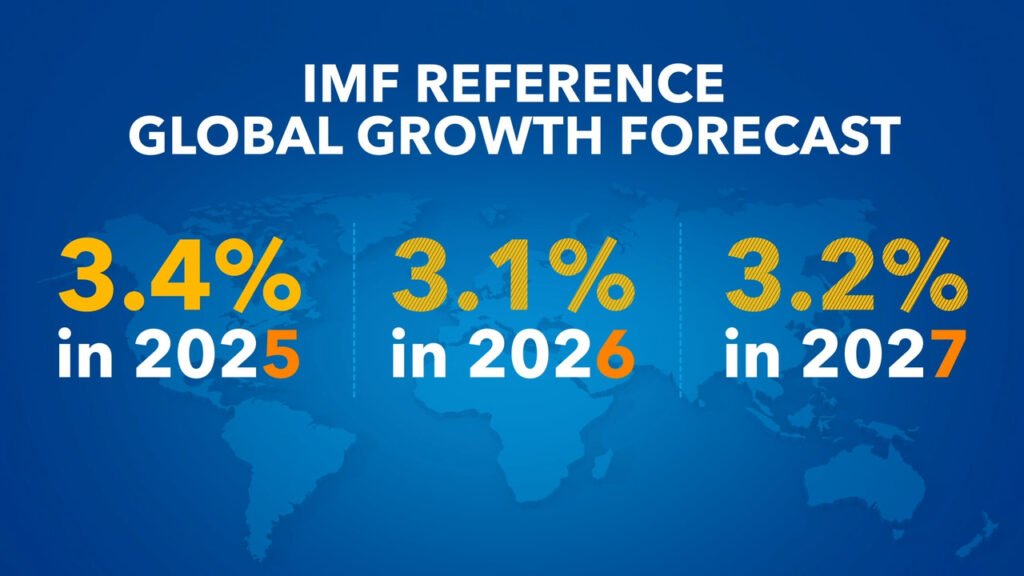
Growth in 2026 is expected to remain moderate as economies continue adjusting to tighter financial conditions. Advanced economies are experiencing slower recoveries, with consumer spending and business investment still constrained by higher interest rates. The United States shows signs of stabilization, supported by strong labor markets and resilient corporate earnings, but growth remains below pre‑pandemic averages.
Europe faces a more challenging environment. High energy costs, weak industrial output, and persistent inflation pressures continue to weigh on economic performance. Several European economies are expected to grow at minimal rates, with some facing the risk of stagnation. Fiscal support remains limited, and structural reforms are slow to materialize.
Emerging markets, however, show stronger momentum. Countries in Asia, Africa, and the Middle East are benefiting from expanding regional trade, infrastructure investments, and diversified partnerships. Domestic demand remains robust, and manufacturing bases continue to grow. These economies are expected to outperform advanced markets, contributing significantly to global growth in 2026.
Inflation Pressures Still Present
Inflation remains one of the most important themes of 2026. While headline inflation has eased from its peak, core inflation remains sticky in several major economies. Energy prices, wage growth, and supply chain adjustments continue to influence price levels. Central banks remain cautious, maintaining tighter policy stances to prevent inflation from re‑accelerating.
In the United States, inflation has moderated but remains above target. Wage pressures and strong consumer demand continue to influence price dynamics. The Federal Reserve is expected to maintain a careful approach, avoiding aggressive rate cuts until inflation shows consistent downward movement.
Europe faces more persistent inflation challenges. Energy costs remain elevated, and supply chain restructuring continues to affect production prices. Several European central banks are expected to maintain restrictive policies throughout 2026, limiting growth but supporting price stability.
Emerging markets experience mixed inflation trends. Some countries benefit from stable energy prices and strong domestic production, while others face currency volatility and higher import costs. Inflation management remains a key priority for policymakers across developing economies.
Energy Markets Under Pressure
Energy markets continue to play a central role in shaping global economic conditions. Oil prices remain elevated due to geopolitical tensions, supply disruptions, and production cuts by major exporters. These price levels affect transportation, manufacturing, and consumer goods, contributing to inflation pressures across multiple regions.
Natural gas markets also remain tight. Europe continues to diversify its energy sources, reducing reliance on traditional suppliers, but the transition remains costly. Several countries face higher production costs due to expensive energy imports.
Renewable energy continues to expand, but the pace of adoption varies across regions. Investments in solar, wind, and hydrogen technologies are increasing, but traditional energy sources remain dominant. The global energy transition is underway, but it will take years before renewable energy fully offsets the volatility of fossil fuel markets.
Geopolitical Risks Intensifying
Geopolitical tensions remain one of the biggest risks to the global economy in 2026. Conflicts across the Middle East, Eastern Europe, and parts of Asia continue to influence trade routes, commodity flows, and investment decisions. Businesses are diversifying supply chains to reduce exposure to geopolitical shocks, but uncertainty remains high.
The Middle East remains a focal point of global risk. Energy markets are sensitive to regional developments, and disruptions can quickly affect global prices. Trade routes through the region remain vulnerable to conflict, affecting shipping costs and delivery times.
Eastern Europe continues to face instability, influencing European energy markets and regional trade. Several European countries remain cautious about long‑term investment decisions due to geopolitical uncertainty.
Asia faces a mix of opportunities and risks. While regional trade continues to expand, political tensions between major powers influence investment flows and supply chain strategies. Businesses remain alert to potential disruptions.
Financial Markets Adjusting to New Realities
Global financial markets are recalibrating after years of volatility. Equity markets show mixed performance as investors weigh earnings prospects against higher financing costs. Companies with strong balance sheets and stable cash flows continue to outperform, while highly leveraged firms face pressure.
Bond markets remain sensitive to inflation data and central bank signals. Yields remain elevated, reflecting tighter monetary conditions. Investors continue to favor high‑quality bonds, while emerging market debt shows improved performance due to stronger regional growth.
Currency markets reflect shifting capital flows. Several emerging market currencies have strengthened due to improved trade balances and diversified partnerships. The U.S. dollar remains strong but faces competition from regional currencies as global trade becomes more multipolar.
Technology and AI Driving Structural Change
Technology remains one of the strongest growth drivers in 2026. Artificial intelligence, automation, and digital infrastructure investments continue to reshape global productivity and business models. Companies adopting advanced technologies gain competitive advantages, while traditional sectors face pressure to modernize.
AI adoption accelerates across industries. Financial services, manufacturing, healthcare, and logistics continue integrating AI tools to improve efficiency and reduce costs. Businesses that invest in digital transformation are expected to outperform competitors throughout 2026.
Automation also expands, particularly in manufacturing and supply chain operations. Companies use robotics and advanced software to streamline production and reduce reliance on manual labor. This trend supports productivity growth but introduces challenges for labor markets.
Digital infrastructure investments continue rising. Countries invest in data centers, cloud computing, and high‑speed connectivity to support technological growth. These investments create new opportunities for innovation and economic expansion.
Emerging Markets Showing Resilience
Emerging markets demonstrate stronger growth compared to advanced economies. Rising regional trade, expanding manufacturing bases, and improved financial systems support their momentum. Countries in Asia, Africa, and the Middle East benefit from infrastructure investments and diversified partnerships outside traditional Western markets.
Domestic demand remains strong across many emerging economies. Growing middle classes, expanding consumer markets, and rising digital adoption support economic activity. These trends contribute significantly to global growth in 2026.
Infrastructure development remains a major driver. Investments in transportation, energy, and digital networks support long‑term growth. Several emerging economies continue attracting foreign investment due to improved regulatory environments and stable political conditions.
Global Trade Rebalancing
Global trade continues to shift as countries diversify supply chains and reduce reliance on single‑source imports. Regional trade blocs become more influential, and cross‑border investment increasingly reflects strategic partnerships rather than traditional global patterns.
Supply chain diversification remains a major trend. Companies reduce dependence on specific regions, expanding production networks across multiple countries. This strategy improves resilience but increases short‑term costs.
Regional trade agreements continue expanding. Asia leads in regional integration, while Africa and the Middle East strengthen cross‑border partnerships. These developments support long‑term stability and create new opportunities for businesses.
MakonFinancials Remark
The global economic landscape in 2026 is defined by transition. Growth is present but fragile, inflation is easing but persistent, and risks are elevated but manageable. For investors and businesses, the key advantage lies in understanding these shifts early and positioning strategically.
Markets are rewarding resilience, innovation, and diversification. Companies that invest in technology, strengthen supply chains, and expand into emerging markets are best positioned for long‑term success. Policymakers must balance inflation control with growth support, while businesses must adapt to tighter financial conditions and evolving geopolitical dynamics.
As global dynamics evolve, Makon Financials will continue delivering sharp, data‑driven insights to help readers navigate the year with clarity and confidence.