Iran Keeps Strait of Hormuz Reopening Proposal Open as US Talks Stall
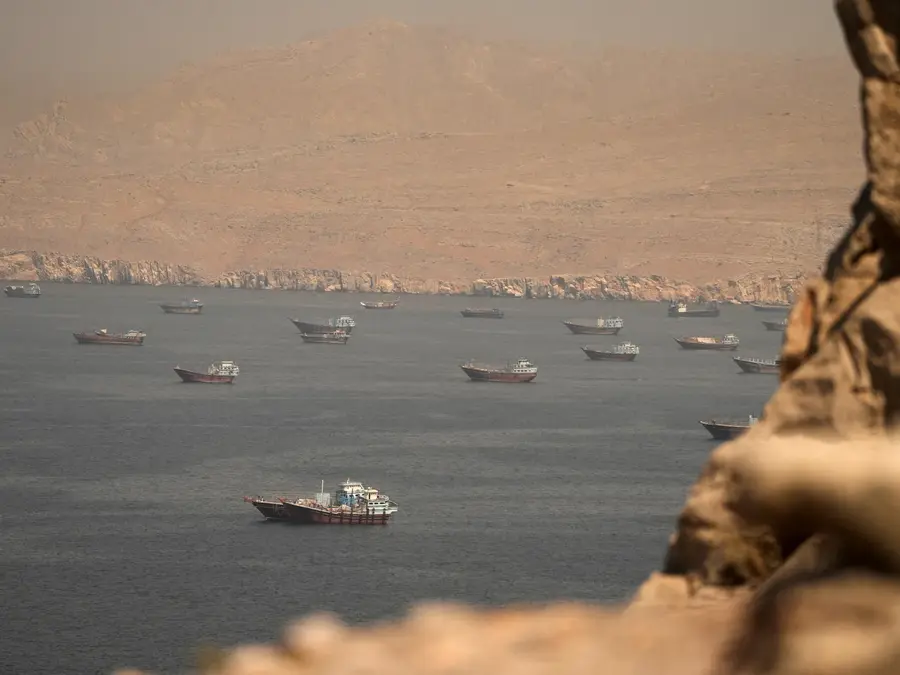
Iran’s offer to reopen the Strait of Hormuz within seven days remains on the table, but progress depends on the United States accepting Tehran’s conditions, Foreign Minister Abbas Araqchi said.
Araqchi told Iranian media that Washington had submitted comments on the proposal, which Tehran was reviewing. He made the remarks in Baghdad during a meeting of the Organisation of Islamic Cooperation.
Iran presented the proposal in mid-September after an interim ceasefire collapsed. Negotiations have since stalled, with Iran’s security chief saying last week that Washington had failed to address all seven conditions set by Tehran for reopening the waterway.
Iran’s demands include lifting the US blockade on Iranian ports, removing sanctions on its oil exports, and ending hostilities across regional fronts.
Also read:
Araqchi said the Strait could reopen within six days if Washington accepted the conditions, with US-Iran talks resuming on the seventh day. The timeline remains conditional, and no agreement to implement the proposal has been announced.
A key disagreement concerns the order of negotiations. Washington wants Iran’s nuclear programme addressed from the outset, including a reduction in its uranium enrichment capacity. Tehran wants discussions to focus first on restoring security and maritime traffic through the Strait.
The waterway is a major route for international energy shipments. Before the conflict disrupted traffic, it carried about one-fifth of global oil and liquefied natural gas trade, making its status important to energy markets and shipping companies.
A reopening could ease concerns about supply disruptions and maritime transport costs. However, the proposal does not guarantee an immediate return to normal shipping, and its effect on oil prices will depend on whether the two sides reach an agreement and vessels can resume normal passage.
For import-dependent businesses across the Middle East, a sustained return to normal traffic could reduce some pressure on freight expenses and delivery schedules. However, the extent of any savings would depend on how quickly shipping services recover and whether other supply-chain disruptions persist.
What to Watch Next
The immediate question is whether Washington accepts Iran’s conditions or proposes changes that could bring the two sides closer to an agreement. Tehran’s review of the US response does not, by itself, mean negotiations have produced a breakthrough.
For energy markets, the key indicators will be an agreed reopening arrangement, confirmation that commercial vessels can pass safely, and evidence that shipping volumes are recovering. Until those developments occur, the proposal remains a diplomatic offer rather than confirmation that the Strait is reopening.