Ghana Holds Interest Rate at 14% as Inflation Stays at 5%
Ghana’s latest economic data show inflation picking up from its earlier low while economic activity remains resilient. The central bank is also assessing the potential impact of higher crude oil prices, utility costs and external pressures on the inflation outlook.
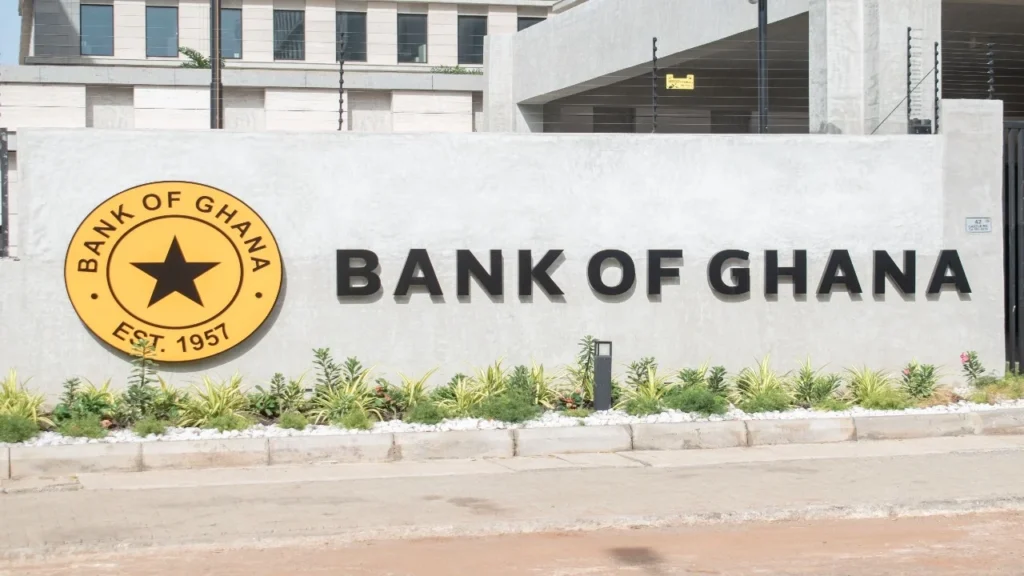
The Bank of Ghana has kept its Monetary Policy Rate at 14%, leaving borrowing conditions unchanged as the central bank assesses rising inflation, continued economic expansion, and renewed pressure from higher energy prices
The Monetary Policy Committee unanimously maintained the rate at its September 23–24 meeting. It was the third consecutive meeting at which the policy rate remained unchanged. The bank said the risks to inflation and economic growth were broadly balanced.
Inflation rises to 5%
Ghana’s annual inflation rate increased to 5.0% in August 2026 from 4.6% in July, according to the Ghana Statistical Service. Although inflation has moved higher in recent months, the August reading remains below the Bank of Ghana’s medium-term target range of 6% to 10%. Inflation has risen from the 3.2% recorded in March, marking a change from the sharp decline in price pressures seen earlier in the year.
The Bank’s latest assessment indicates that underlying inflation pressures have continued to moderate, even as headline inflation has picked up. That gives the central bank room to keep the policy rate unchanged while monitoring whether the recent increase in consumer prices develops into a broader inflationary trend.
Economic growth remains strong
Ghana’s economy grew by 6.0% year-on-year in the second quarter of 2026, according to the Ghana Statistical Service. Growth was slower than the 6.4% recorded in the first quarter, but economic activity remained relatively strong. The Bank of Ghana said domestic economic activity had remained resilient, with credit conditions and business activity supporting the economic outlook.
ALSO READ:
The combination of strong growth and inflation below the central bank’s target range gives the MPC additional scope to assess incoming data before making another change to interest rates.
Energy prices add to inflation risks
Higher energy costs remain one of the main risks to the inflation outlook. The MPC pointed to higher crude oil prices, utility tariff adjustments, and potential supply-chain disruptions as factors that could place renewed pressure on prices. Energy costs can affect a wide range of businesses through transportation, production, and operating expenses. The bank is also monitoring developments in the external sector and the exchange rate, which can influence the cost of imported goods and inputs.
Bank keeps rate unchanged
The decision leaves Ghana’s policy rate at 14% as the central bank waits for more evidence on the direction of inflation. For now, the latest data show an economy that is still expanding at a solid pace while headline inflation remains below the Bank of Ghana’s target range. The recent rise in inflation and the possibility of higher energy-related costs, however, remain important considerations for future policy decisions.
The MPC, therefore, opted to maintain the 14% rate rather than make another adjustment at its September meeting.
Makon Financials