WTI Breaks $100 as Middle East Supply Crisis Deepens
West Texas Intermediate crude climbed above $100 a barrel as worsening attacks around key Middle East shipping routes increased fears that the region’s oil supply disruptions could persist.
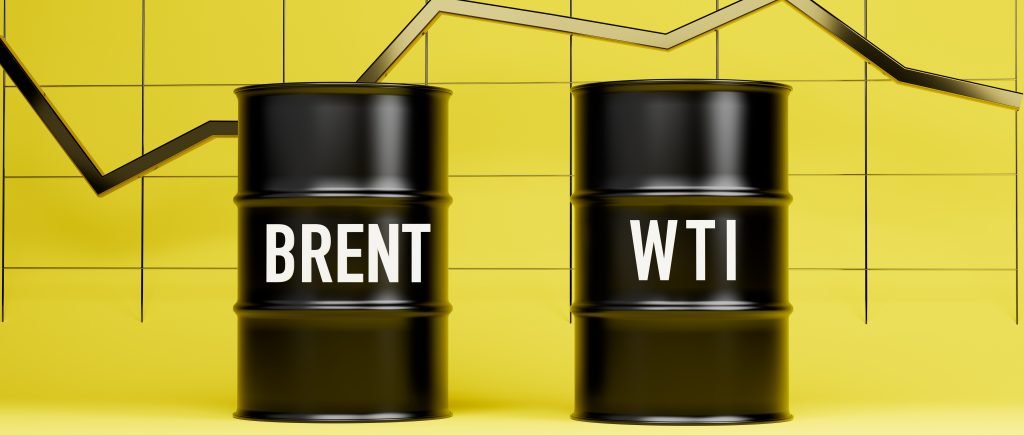
WTI futures rose 6.7% on Thursday to settle at $102.48 a barrel, marking the highest close since May 19 and extending the benchmark’s winning streak to eight sessions. Brent Crude gained 6.3% to $107.63 a barrel.
Oil continued to trade above $100 on Friday. WTI was up about 1% at $103.45 a barrel in early trading, while Brent rose to $108.68. Both benchmarks were on course for their strongest weekly gains in months, with prices nearly 13% higher over the week.
The latest price surge reflects growing concern that the conflict is increasingly affecting more than one shipping route.
Tanker attacks around the Strait of Hormuz have disrupted traffic through one of the world’s most important oil chokepoints, while renewed Houthi activity in the Red Sea has created another threat to energy shipments.
Iran-aligned Houthi forces seized Yemen’s port of Mocha on Thursday, adding to concerns about shipping through the Red Sea and the Bab el-Mandeb strait. At the same time, attacks involving tankers have intensified around the Persian Gulf and Gulf of Oman.
Also Read
The supply risks are already showing up in regional production. The U.S. Energy Information Administration has estimated Middle East oil production shut-ins at about 6.7 million barrels a day in August, while OPEC output also declined during the month.
The Strait of Hormuz remains the biggest concern for the market. HSBC estimates that flows through the waterway are currently around 6 million barrels a day, compared with roughly 19 million to 20 million barrels a day before the conflict. The bank expects flows to recover only gradually if security conditions improve.
The longer the restrictions remain in place, the greater the pressure on buyers to secure alternative supplies. That is particularly important for Asian refiners, which depend heavily on Middle Eastern crude.
China has also begun increasing activity in the physical oil market after reducing purchases earlier in the conflict. Its buying decisions could become increasingly important for the balance between constrained supply and global demand.
The latest rally is also increasing pressure on refined fuel markets. Higher crude prices raise the cost of gasoline, diesel, and other petroleum products, creating a renewed inflation risk for major economies.
For central banks, the move in oil prices comes at a sensitive time. A prolonged period of crude prices above $100 could make it harder for policymakers to bring inflation down, particularly if higher energy costs begin feeding into transportation, manufacturing, and consumer prices.
HSBC has already raised its 2026 Brent forecast to $90 a barrel from $80, citing the disruption to regional supply. Under a more severe scenario in which shipping restrictions persist and inventories fall to operationally low levels, the bank sees the possibility of Brent reaching around $120 a barrel.
For now, the oil market is pricing in a prolonged supply risk rather than a short-lived disruption. WTI’s move above $100 marks a significant shift from the relatively subdued prices seen earlier in the year and reflects the growing premium traders are placing on the security of Middle Eastern oil flows.