Nigerian Naira Strengthens Past ₦1,330/$ to Two-Year High
Nigerian Naira Strengthens Past ₦1,330/$ to Two-Year High
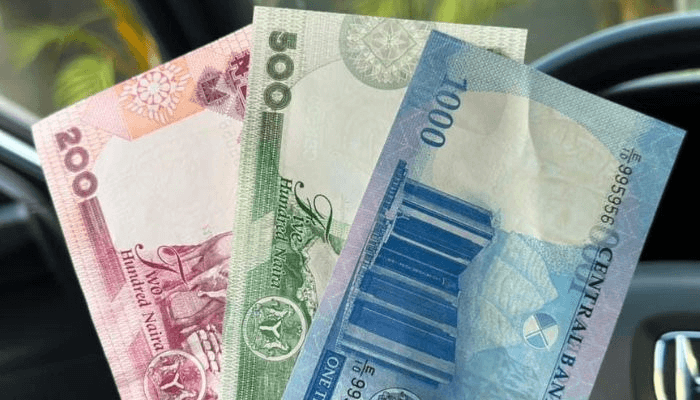
The Nigerian naira has strengthened to its strongest official-market level in more than two years, closing at ₦1,329 per US dollar on September 1, 2026.
The move took the currency below the ₦1,330/$ mark for the first time since May 2024. The naira gained ₦6.50, or 0.49%, from the previous session’s ₦1,335.50/$ close, according to Central Bank of Nigeria data. The last time the currency closed at a stronger level was May 29, 2024, when it stood at ₦1,329.65/$.
The latest move extends a steady appreciation that has gathered pace since the middle of August.
Naira’s August recovery is continuing
The naira closed at ₦1,358.25/$ on August 14 before strengthening to ₦1,349.99/$ on August 24, ₦1,343/$ on August 26 and ₦1,337/$ on August 28.
It then moved to ₦1,335.50/$ on August 31 before breaking below ₦1,330 the following day.
From August 14 to September 1, the currency gained ₦29.25 against the dollar, equivalent to an appreciation of about 2.15%.
The September 1 session itself was relatively contained. The naira traded between ₦1,327 and ₦1,335.50/$, while the weighted average rate was ₦1,329.43. Foreign-exchange turnover stood at approximately $139.45 million.
That combination matters because the latest appreciation was not accompanied by an unusually wide intraday swing. It points to a market that has been trading at progressively stronger levels rather than simply experiencing a one-day spike.
YOU CAN ALSO READ
Why Stronger UK Growth Could Keep Bank of England Rates Higher
Stronger reserves are changing the FX backdrop
The naira’s improvement comes alongside a substantial increase in Nigeria’s external reserves.
Gross external reserves reached about $53.8 billion on August 31, up by more than $8 billion from $45.57 billion at the beginning of 2026.
Higher reserves do not mechanically determine the exchange rate, but they strengthen Nigeria’s external liquidity position. A larger reserve buffer gives the country greater capacity to meet foreign-currency obligations and provides a stronger backdrop for confidence in the FX market.
That is important because currency stability depends not only on the number displayed on an exchange-rate screen but also on whether businesses and investors believe dollars will remain reasonably available.
The improvement in reserves therefore provides supportive conditions for the naira, although it would be too early to attribute the entire appreciation to reserves alone.
Why businesses should pay attention
A stronger naira changes the economics for companies with significant dollar expenses.
Importers purchasing machinery, raw materials, pharmaceuticals, technology equipment, and other foreign goods require fewer naira when the dollar becomes cheaper. For businesses operating with tight margins, even a modest change in the exchange rate can affect working capital requirements.
The bigger benefit, however, is predictability.
When the naira moves sharply in either direction, businesses struggle to determine what their imported inventory will cost, how to price products, and how much naira they need to set aside for future dollar obligations.
A period of greater FX stability makes those decisions easier.
The effect is different for exporters. Companies earn substantial dollar revenues, but carrying most of their costs in naira can see their naira-denominated revenue fall when the local currency strengthens.
The current move, therefore, creates winners and losers rather than providing an equal benefit across the economy.
Can a stronger naira immediately lower prices?
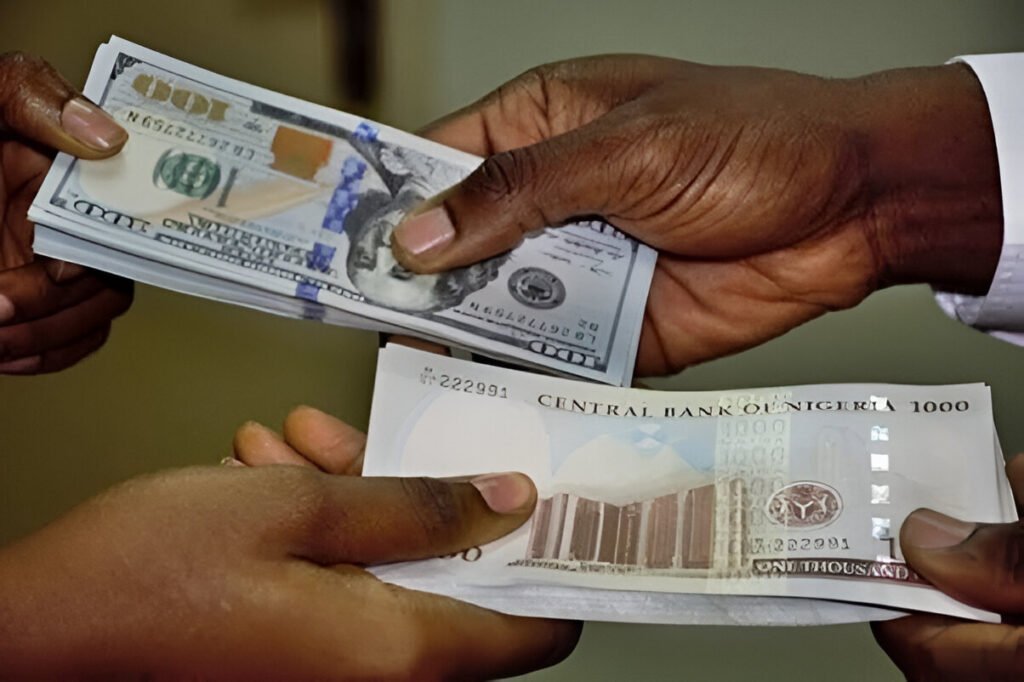
The exchange rate improvement should also not be confused with an immediate reversal in consumer prices.
A business may have bought inventory when the naira was weaker. It may also be dealing with higher transportation, energy, financing, wages, or other operating costs. Those expenses do not automatically fall because the dollar becomes cheaper.
This means the first impact of a stronger naira may appear in import costs and business margins before consumers see meaningful reductions in retail prices.
For households, the more important test will be whether currency stability persists long enough for lower foreign exchange costs to work through supply chains.
The real question is whether the gain can hold
The ₦1,329/$ close is significant because it marks the naira’s strongest official-market level since May 2024.
But, one strong closing rate does not establish a permanent new exchange rate range.
The more important signal will be what happens over the coming weeks. Continued reserve accumulation, adequate FX liquidity, and relatively stable trading would make the recent appreciation more meaningful.
Nigeria is also entering September with improving conditions in its capital markets. FTSE Russell has confirmed that Nigeria will return to its Frontier Market classification from September 21, a move that could improve the country’s visibility among international investors.
That does not guarantee additional naira appreciation, but deeper investor participation and improved access to foreign capital can become supportive factors if they translate into sustained inflows.
What the ₦1,330 breakthrough really means
The naira’s move below ₦1,330/$ is more than a psychological milestone.
It shows how dramatically the official exchange rate has changed from the weaker levels seen earlier in August and provides another indication that conditions in Nigeria’s formal FX market have improved.
But the strongest conclusion at this stage is not that the naira has permanently recovered.
The stronger conclusion is that Nigeria’s currency market is currently operating from a better position than it was several weeks ago, with the naira appreciating alongside a much larger external reserve buffer.
For businesses, that creates an opportunity to reassess dollar obligations and pricing. For investors, it puts greater emphasis on whether the improvement in FX liquidity can be sustained. For consumers, the eventual test is whether exchange-rate stability translates into lower imported costs.
The next milestone for the naira is, therefore, not simply another number below ₦1,330. It is whether the currency can hold its gains without rebuilding the pressures that caused previous episodes of weakness.
Source: Central Bank of Nigeria (CBN)