Abu Dhabi Stocks Fall as Oil Nears $92, Investors Turn Cautious
Abu Dhabi Stocks Fall as Oil Nears $92, Investors Turn Cautious
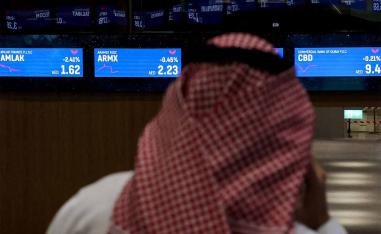
Abu Dhabi stocks ended lower on Tuesday as renewed U.S.-Iran tensions pushed oil prices higher and increased caution across Gulf financial markets.
The Abu Dhabi Securities Exchange (ADX) General Index fell 0.33% to 9,974.41, while Dubai’s benchmark was almost unchanged, slipping 0.03% to 5,834.25. The relatively small moves point to a cautious session rather than a broad sell-off in UAE equities.
Brent crude traded around $91.83 a barrel in Reuters’ report on the Gulf markets, up about 1.5%. Later, Tuesday trading pushed Brent above $92 as renewed. U.S.-Iran fighting raised concerns about potential disruption to oil supplies from the region.
Why Abu Dhabi Stocks Fell While Oil Rose
The relationship between oil and Gulf stocks is not always straightforward.
Higher oil prices can support oil-producing economies by increasing energy revenues. But when oil rises because of geopolitical risk, investors also have to price the possibility of supply disruptions, higher inflation, and greater uncertainty across financial markets.
RELATED ARTICLE
How Rising Oil Prices Affect Bond Yields, Inflation, and Interest Rates
That was the backdrop for Tuesday’s trading.
The renewed U.S.-Iran confrontation pushed investors toward a more cautious stance across the Gulf. Reuters reported that Saudi Arabia and Abu Dhabi declined, while Qatar gained as higher oil prices provided support. Dubai remained broadly stable.
The move also came during a wider global bond sell-off. Rising bond yields have increased pressure on financial markets as investors reassess inflation and interest-rate expectations. Reuters reported that global bond markets were under pressure as higher oil prices added to inflation concerns.
For UAE investors, that creates a more complicated environment: oil prices are higher, but the reason for the increase is geopolitical uncertainty rather than stronger economic demand.
First Abu Dhabi Bank Weighs on the Index
Banking stocks were mixed in Abu Dhabi.
First Abu Dhabi Bank (FAB) fell 1.82%, while Abu Dhabi Commercial Bank gained 0.13% and Abu Dhabi Islamic Bank rose 0.26%. The mixed performance shows that weakness was concentrated in some major stocks rather than spreading uniformly across the banking sector.
Other major Abu Dhabi stocks also declined. Aldar Properties fell 0.4%, while ADNOC Gas declined 0.3% and Alpha Dhabi Holding slipped 0.9%.
At the same time, several stocks recorded strong gains. BILDCO jumped 14.5%, Eshraq Investments gained 10.97%, and Space42 rose 8.65%, highlighting the selective buying that remained in the market despite the weaker index
What Higher Oil Means for UAE Markets Now
The key issue for investors is not simply whether oil is above $90.
It is why oil is above $90 and how long it stays there.
If prices remain elevated because geopolitical tensions continue to threaten regional supply, markets may have to deal with higher inflation expectations and less certainty over the path of global interest rates.
That could keep pressure on bond markets and make investors more selective about equities.
But, higher oil prices also remain supportive for Gulf economies through stronger energy revenues. This means the effect on UAE markets can run in both directions: stronger oil can support the underlying economy while geopolitical risk can simultaneously weaken investor sentiment.
What Investors Will Watch Next
The next major signal will be whether the oil-price increase persists or fades as the geopolitical situation develops.
A sustained rise in crude would keep inflation and interest-rate expectations in focus. A reduction in tensions could remove some of the risk premium that has pushed oil higher.
For now, Tuesday’s market action shows a UAE equity market that remains resilient but cautious.
The 0.33% decline in Abu Dhabi was modest, and strong gains in several individual stocks show that investors were still willing to buy selectively. The bigger question is whether renewed geopolitical pressure and higher oil prices remain temporary market shocks or develop into a longer-lasting financial risk.
Source: Reuters





