Oil rises as US-Iran tension escalates after Iraq strikes, missile attack
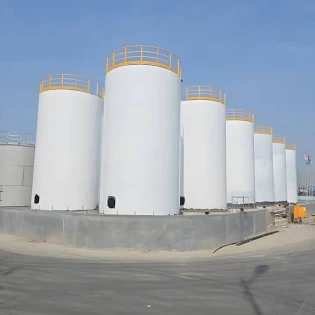
Oil rises as US-Iran tension escalates after Iraq strikes, missile attack
Oil Prices Surge as US–Iran Tensions Escalate Following Iraq Strikes and Missile Exchange
Global oil markets moved sharply higher this week as geopolitical tensions between the United States and Iran intensified, following a series of military incidents in Iraq and a reported missile exchange that has heightened fears of broader regional instability. For energy markets already navigating supply constraints and fragile demand signals, the latest developments have introduced a fresh layer of volatility that investors cannot ignore.
The immediate catalyst came after targeted strikes in Iraq involving US-linked assets, which were quickly followed by retaliatory rhetoric and missile activity attributed to Iran-aligned groups. While official confirmations remain limited, the sequence of events has reignited concerns over the security of critical oil infrastructure across the Middle East, a region responsible for a significant share of global crude supply.
From a market perspective, oil prices responded swiftly. Brent crude futures climbed as traders priced in geopolitical risk premiums, reflecting fears that escalation could disrupt supply routes, particularly through strategic chokepoints such as the Strait of Hormuz. Even the perception of risk in this corridor tends to trigger sharp reactions, given that nearly a fifth of global oil trade passes through it daily.
At MakonFinancials, our analysis suggests that the current price movement is less about immediate supply disruption and more about forward-looking uncertainty. Markets are inherently sensitive to geopolitical flashpoints, especially when they involve major oil-producing nations or regions with a history of conflict spillover. In this case, traders are hedging against the possibility of prolonged instability rather than reacting to confirmed supply losses.
Beyond the immediate price surge, the broader macroeconomic implications are equally significant. Higher oil prices could exert upward pressure on inflation globally, complicating the policy path for central banks that are already balancing growth concerns with inflation control. For emerging markets, particularly those heavily reliant on energy imports, sustained price increases could widen fiscal deficits and strain foreign exchange reserves.
The United States, as both a major oil producer and consumer, faces a complex balancing act. While higher prices can benefit domestic producers, they also risk fueling inflationary pressures at home, potentially influencing monetary policy decisions. Meanwhile, Iran’s position remains central to the unfolding narrative, as any further escalation could lead to renewed sanctions enforcement or disruptions in its oil export channels.
Energy companies and institutional investors are now closely monitoring the situation for signals of escalation or de-escalation. Historically, geopolitical-driven oil spikes tend to be short-lived unless they result in tangible supply disruptions. However, the current environment is different in one key aspect: global spare production capacity remains relatively tight, limiting the market’s ability to absorb shocks.
MakonFinancials insights indicate that this development reinforces the importance of geopolitical risk assessment in energy investment strategies. Investors are increasingly factoring in non-economic variables such as regional stability, diplomatic relations, and military activity when evaluating oil market outlooks. This shift marks a broader evolution in how global markets interpret risk in an interconnected world.
Looking ahead, the trajectory of oil prices will depend heavily on diplomatic responses and the scale of any further military engagement. A contained situation may lead to a gradual cooling of prices, while escalation could push oil into a higher trading range, with ripple effects across global financial markets.
In conclusion, the recent surge in oil prices underscores the fragile balance within global energy markets. While supply fundamentals remain a key driver, geopolitical developments continue to wield significant influence. For MakonFinancials readers, the current scenario serves as a reminder that in today’s market environment, strategic insight must extend beyond traditional economic indicators to include the evolving dynamics of global power and security.
As the situation develops, Makon Financials will continue to provide timely, data-driven analysis to help investors navigate uncertainty and make informed decisions in an increasingly complex financial landscape.





