Apple’s upcoming smart glasses will emphasize privacy to compete with Meta’s AR devices.
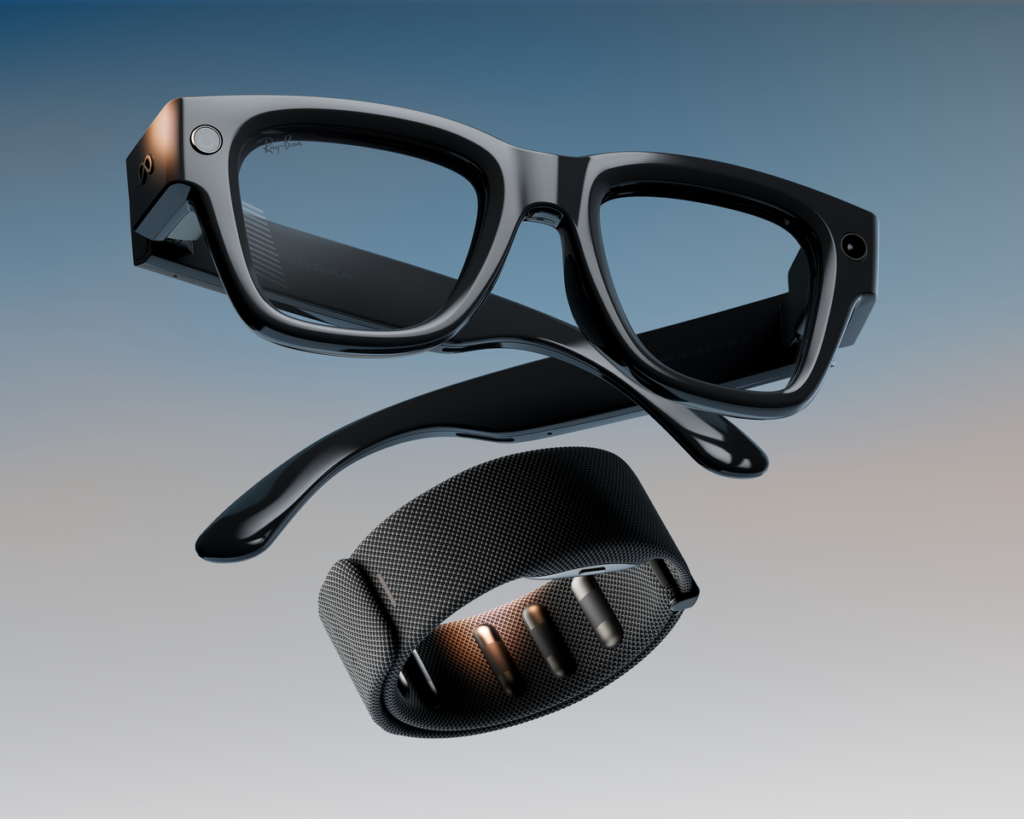
Apple’s upcoming smart glasses will emphasize privacy to compete with Meta’s AR devices.
Apple Plans Privacy-Focused Smart Glasses to Challenge Meta’s Growing AR Wearables Market
Makon Financials | Technology & Innovation
Apple’s Next Big Hardware Ambition Moves Toward the Future of Wearable Computing
Apple is preparing for the next major stage of personal technology as the company continues exploring smart glasses designed to compete in the rapidly growing augmented reality (AR) and artificial intelligence-powered wearable market.
The move places Apple in competition with companies already advancing in the sector, particularly Meta, which has gained early momentum through its smart glasses partnership with Ray-Ban and its broader vision for AI-powered wearable devices.
While Apple has not officially released consumer smart glasses, reports indicate that the company is studying how lightweight AR glasses could become the next major computing platform after smartphones, tablets, and smartwatches.
A major focus of Apple’s approach is expected to be privacy, an area where the company believes it can differentiate itself from competitors.
The Battle for the Future of Smart Glasses
The technology industry is entering a new era where wearable devices are becoming more intelligent, connected, and personalised.
Smart glasses are expected to combine several technologies, including:
Artificial intelligence assistants
Augmented reality experiences
Camera and sensor technology
Voice-controlled computing
Real-time information displays
Instead of relying only on smartphones, future users could interact with digital information directly through glasses.
This could change how people communicate, work, shop, travel, and access information.
Apple sees this opportunity as a potential expansion of its ecosystem, connecting wearable technology with services such as artificial intelligence, cloud computing, health monitoring, and digital communication.
Privacy Becomes Apple’s Competitive Advantage
Privacy has become one of Apple’s strongest brand messages, and the company is expected to make data protection a major selling point for future smart glasses.
Unlike smartphones, smart glasses create unique privacy concerns because they contain cameras, microphones, and sensors that operate in public environments.
People may worry about being recorded without their knowledge or about personal information being collected through wearable devices.
Apple’s approach could focus on building stronger transparency and user control.
Possible privacy features may include visible indicators when cameras are active, strict permission controls, secure data processing, and greater reliance on on-device intelligence.
The company has repeatedly positioned privacy as a fundamental part of its products, arguing that users should have more control over their personal information.
Meta’s Early Lead in the Smart Glasses Market
Apple is entering a market where Meta has already established an early presence.
Meta’s smart glasses, developed through its partnership with Ray-Ban, have introduced consumers to AI-powered eyewear that can capture images, answer questions, play audio, and provide digital assistance.
The product represents Meta’s wider ambition to build the next generation of computing around artificial intelligence and wearable technology.
For Meta, smart glasses are not only a hardware product. They are part of a broader strategy to make AI assistants available in everyday life.
Apple’s challenge will be convincing consumers that its approach offers something different.
While Meta has focused heavily on AI interaction and social experiences, Apple may compete through design, privacy, ecosystem integration, and premium user experience.
Why Smart Glasses Could Become the Next Major Technology Platform
The history of technology shows that successful platforms often replace older ways of interacting with digital services.
Personal computers changed business operations.
Smartphones transformed communication.
Smartwatches expanded digital health and mobile convenience.
Smart glasses could represent the next evolution by bringing computing closer to human vision.
Instead of looking down at a screen, users could access information naturally through their surroundings.
Potential applications could include:
Navigation assistance while travelling
Real-time translation
Workplace productivity tools
Health and fitness monitoring
Educational experiences
Business collaboration
Entertainment and gaming
For companies, smart glasses could create new opportunities across multiple industries.
The Role of Artificial Intelligence in Apple’s Vision
Artificial intelligence will likely be at the centre of future smart glasses.
Modern AI systems can understand speech, recognise objects, analyse environments, and provide personalised assistance.
For smart glasses to succeed, they must become more than a camera placed on a wearable device.
They need to understand the user’s environment and provide useful information at the right moment.
Apple’s investment in artificial intelligence could become a key factor in making its future wearable products competitive.
The company’s advantage is its large ecosystem of devices and services, which could allow smart glasses to work alongside iPhones, Apple Watches, and other products.
Financial Impact and Market Opportunity
The smart glasses market represents a significant opportunity for technology companies.
As consumers become more comfortable with wearable devices, demand could grow for products that combine convenience, entertainment, and productivity.
For Apple, entering this market could create another major revenue stream beyond its traditional hardware categories.
The company already generates significant revenue from the iPhone, services, wearables, and accessories. A successful smart glasses product could strengthen its position in the premium technology market.
Investors are watching closely because Apple’s ability to create new product categories has historically influenced the wider technology industry.
Challenges Apple Must Overcome
Despite the opportunity, smart glasses face major challenges.
One of the biggest issues is consumer acceptance.
People must feel comfortable wearing intelligent glasses in public spaces. Privacy concerns, design preferences, battery life, and pricing will all influence adoption.
Companies must also ensure that these devices provide clear value compared with smartphones.
If smart glasses only duplicate existing smartphone features, consumers may not see a reason to buy them.
Apple will need to create a product that feels essential rather than optional.
The Future Competition Between Apple and Meta
The competition between Apple and Meta reflects a larger battle over the future of personal computing.
Meta is investing heavily in artificial intelligence, virtual reality, and wearable technology as part of its long-term vision.
Apple is approaching the market with a focus on premium design, privacy, and ecosystem integration.
The winner may not simply be the company that creates the most advanced technology.
The winner could be the company that earns the most consumer trust.
Makon Financials Perspective
Apple’s potential entry into the smart glasses market represents another major development in the global technology race.
The future of computing may move beyond traditional screens toward intelligent devices that understand users and interact with the world around them.
As artificial intelligence becomes more powerful, privacy will become one of the most important factors shaping consumer decisions.
Apple’s strategy of combining advanced technology with stronger privacy protections could become a major competitive advantage as it challenges Meta and other technology companies in the next generation of wearable computing.
For investors and businesses, smart glasses represent more than a new gadget. They represent a possible shift in how humans interact with technology.
Makon Financials will continue tracking the technology innovations, investment trends, and market strategies shaping the future global economy.