Uganda Approves NIN as TIN in Tax System Overhaul

By Onyeka D.
Uganda Approves NIN as TIN in Tax System Overhaul
Uganda is moving to a unified taxpayer identification system, with Cabinet approving the National Identification Number (NIN) issued by the National Identification and Registration Authority (NIRA) as the Tax Identification Number for individual taxpayers.
The change removes the need for individuals to maintain a separate tax identification number and is designed to give government a more consistent way of identifying taxpayers across its systems.
The decision was announced by ICT and National Guidance Minister Justine Kasule Lumumba following a Cabinet meeting held on August 31.
Why Uganda is linking tax to national identity
Uganda’s previous system relied on a separate TIN registration process. Government says that system contributed to outdated and inconsistent taxpayer records, making it harder to maintain accurate information and connect data across government agencies.
Under the new arrangement, an individual’s NIN becomes the identifier used for tax purposes.
That creates a single identity linking a person’s national identification record with their tax record.
The financial significance is bigger than removing one number from the registration process.
A more integrated taxpayer database gives the Uganda Revenue Authority (URA) a stronger basis for identifying people engaged in economic activity, matching information across government systems and following up on taxpayers who may be outside the formal tax net.
The reform is aimed at closing information gaps
Tax collection depends heavily on information.
When identity records and tax records sit in separate systems, changes in a person’s name, address or other details can make it harder to maintain an accurate taxpayer register.
The government says using the NIN should improve taxpayer identification and tracing, strengthen data sharing and reduce revenue leakage.
YOU MAY ALSO READ
Pearl Bank’s Loan Book Tops UGX 1 Trillion. What It Says About Uganda’s Credit Market
For Uganda, that could matter more as economic activity becomes increasingly digital and individuals operate across multiple businesses, income sources and financial platforms.
The reform is therefore not primarily about creating a new tax. It is about giving the tax authority a stronger identity infrastructure through which existing tax obligations can be administered.
Businesses will not use NIN as their tax identifier
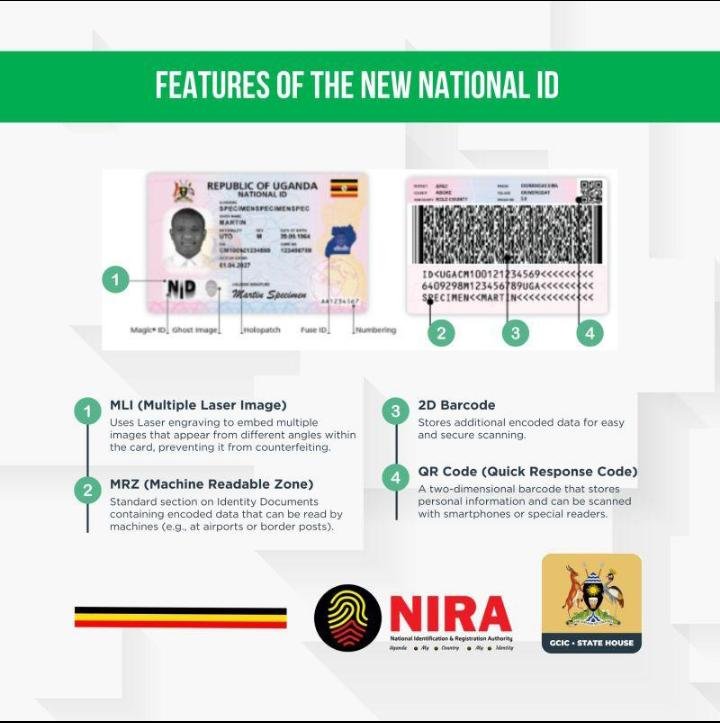
The change applies to individual taxpayers, not every taxpayer category.
Under the new framework, non-individual entities use their Business Registration Number (BRN) issued through the Uganda Registration Services Bureau. Foreign taxpayers can use applicable foreign tax identification numbers where the relevant rules allow it.
That distinction matters for businesses because the reform does not mean companies will simply replace their existing tax identity with an employee or director’s NIN.
Instead, Uganda is moving toward a broader system in which different taxpayer categories have standard identifiers that can be linked to government records.
The real economic impact will depend on implementation
A cleaner taxpayer database can make tax administration more efficient, but the economic benefit will depend on how effectively the systems are connected and used.
If URA can identify taxpayers more accurately, reduce duplicate or outdated records and improve compliance, the reform could strengthen revenue collection without requiring the government to raise tax rates.
That is particularly relevant as Uganda seeks to increase domestic revenue and reduce pressure on public finances.
But better identification does not automatically produce higher revenue. The tax authority still needs effective enforcement, reliable digital infrastructure and clear rules governing how taxpayer information is accessed and shared.
Uganda is building a more connected tax system
The NIN reform follows changes to Uganda’s tax legislation that provide for the NIN to serve as the tax identifier for individuals, while business registration numbers serve non-individual taxpayers.
This means the latest Cabinet decision should be viewed as part of a wider transition toward integrating national identification and tax administration rather than an isolated administrative change.
For individuals, the immediate benefit is simpler identification.
For the government, the bigger prize is better information.
And for Uganda’s public finances, the test will ultimately be whether that better information translates into higher compliance, less revenue leakage and a broader formal tax base without adding unnecessary administrative costs for taxpayers.
Source: National Identification and Registration Authority (NIRA)
Uganda Revenue Authority (URA)