Iraq Targets Oil Output of 8–10 Million Barrels Per Day Within Six Years
Iraq Targets Oil Output of 8–10 Million Barrels Per Day Within Six Years
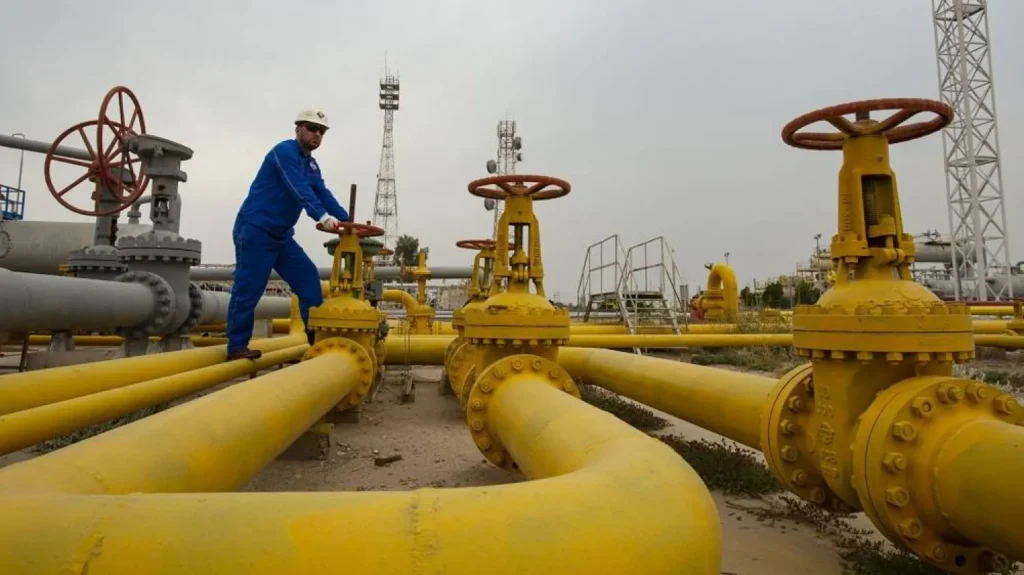
Iraq plans to raise oil production to between 8 million and 10 million barrels per day within six years, more than doubling its current production capacity as Baghdad seeks to expand oil revenues, attract investment and strengthen its position in global energy markets.
The target was announced by Prime Minister Mohammed Shia’ Al-Sudani at the Baghdad Dialogue conference. Iraq is also seeking a larger production quota within OPEC+ as it works to expand its oil output.
Iraq’s oil sector remains the foundation of its economy. The International Monetary Fund estimates that oil revenues account for more than 90% of government revenue, making higher production potentially significant for public finances.
Why Iraq Wants to Double Oil Production
Iraq has some of the world’s largest proven crude oil reserves, but its production potential has been constrained by infrastructure limitations, investment requirements, export bottlenecks, and OPEC+ production limits.
Increasing output toward 8–10 million bpd would allow Iraq to make greater use of its reserves and potentially generate substantially higher export earnings.
The government’s objective is, therefore, not simply to produce more oil. It is also to expand the infrastructure, investment, and export capacity required to bring additional barrels to international markets.
How Higher Oil Output Could Improve Iraq’s Economy
Higher oil production could increase government revenues when additional barrels are sold at profitable prices.
That could give the government greater financial capacity to fund infrastructure, public services, and investment. It could also reduce pressure on public finances when oil prices or export volumes are weak.
However, higher production alone would not solve Iraq’s economic challenges. The IMF has warned that Iraq remains highly dependent on oil revenues and that its private sector is constrained by factors including weak infrastructure, bureaucracy, limited access to credit, and the state’s dominant economic role.
For the additional oil income to produce lasting economic benefits, Iraq would need to channel more of the revenue into productive investment rather than increasing dependence on government spending.
What the Plan Could Mean for Businesses
A major expansion of Iraq’s oil industry could create opportunities beyond crude production.
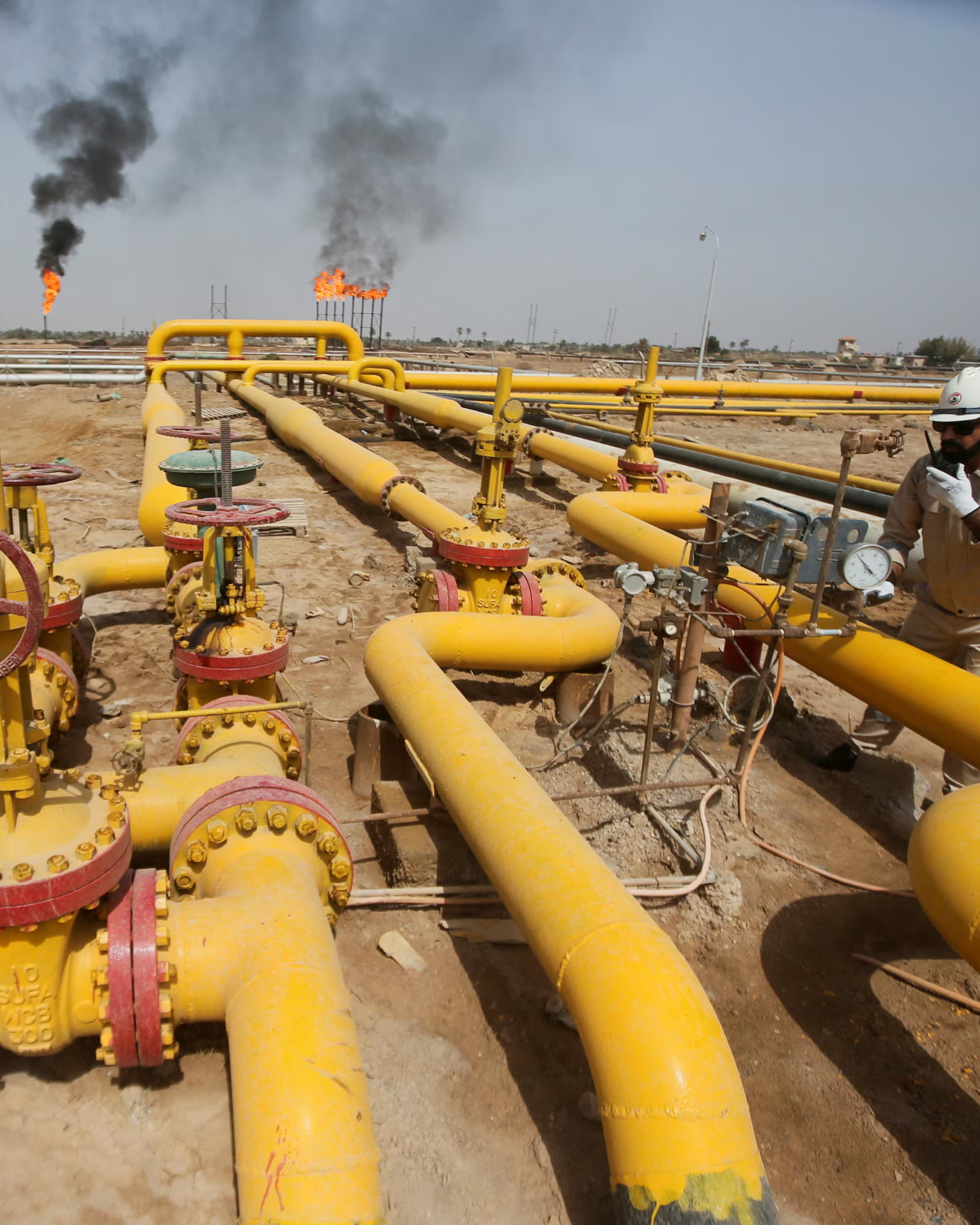
Oil-field development requires engineering services, drilling equipment, transportation, construction, maintenance, technology, logistics, and other specialist services. Companies operating in these areas could benefit from increased investment as new production capacity is developed.
Higher government revenues could also support spending on roads, electricity, water infrastructure, and other public projects, creating opportunities for businesses outside the energy sector.
The broader economic benefit would depend on how much of the oil investment and government spending reach domestic companies and workers.
What Investors Should Know
For investors, Iraq’s production target creates potential opportunities in the country’s upstream oil sector, oil-field services, infrastructure, and energy-related industries.
But the target should not be treated as guaranteed future production.
Iraq still needs substantial investment and infrastructure development, while OPEC+ production policies can restrict how much crude the country is permitted to produce.
Investors should, therefore, watch OPEC+ quotas, licensing rounds, oil-field development contracts, export infrastructure, and government investment plans rather than focusing only on the 8–10 million bpd headline.
OPEC’s latest statistical data also shows the scale of Iraq’s existing position in the global oil market. Its 2026 Annual Statistical Bulletin lists Iraq among the world’s major holders of proven crude reserves.
Export Capacity Will Be Just as Important as Production
Producing an additional crude is only useful if Iraq can transport it reliably to international buyers.
This makes pipelines, storage facilities, export terminals, and alternative export routes critical to the government’s long-term strategy.
Iraq has been working to expand export options through Türkiye and is also examining additional routes that could reduce its dependence on the Gulf.
Greater export flexibility would make it easier for Iraq to continue selling crude when disruptions affect a particular route.
The Biggest Risk: Dependence on Oil
The expansion also highlights one of Iraq’s biggest economic weaknesses: its heavy dependence on hydrocarbons.
The IMF says oil revenues are expected to remain above 90% of government revenue through 2030, illustrating how closely Iraq’s public finances remain tied to the oil market.
That creates a significant risk if global oil prices fall.
If Iraq increases production but does not simultaneously develop manufacturing, agriculture, services, finance, and other non-oil industries, the economy could remain vulnerable to the same oil-price cycles.
What Happens Next
The most important developments to watch are whether Iraq secures additional OPEC+ production room, how quickly new oil projects are developed, and whether the country can expand its export infrastructure.
If Iraq successfully moves toward 8–10 million bpd while improving infrastructure and diversifying its economy, the expansion could strengthen government finances, attract new investment, and create opportunities for businesses across the energy supply chain.
For now, however, the 8–10 million bpd figure is a government target for the next six years, not an achieved production level. The scale of investment, OPEC+ policy, and Iraq’s ability to expand its export network will determine how much of that ambition becomes reality.
Sources:
Office of Prime Minister: Mohammed Shia’ al-Sudani
SOMO (State Organization for Marketing of Oil)





