Federal Reserve Rate Cuts 2026: When Will the Fed Act?
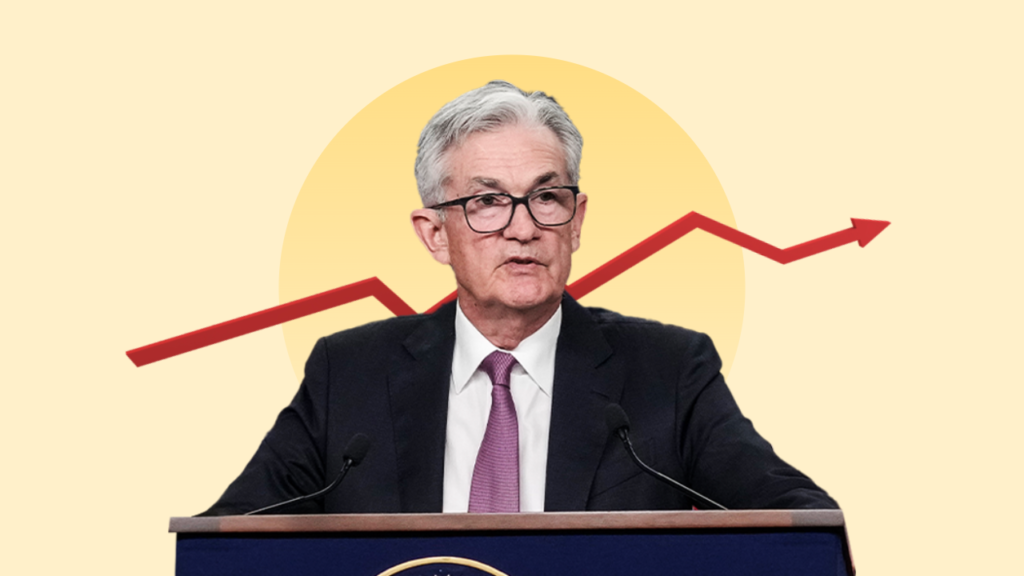
Federal Reserve Rate Cuts 2026: When Will the Fed Act?
Updated 02/08/2026 | Makon Financials | Onyeka .D. Makonor
Federal Reserve rate cuts 2026 are now one of the biggest topics in global markets. After years of aggressive high rate, investors are asking one simple question, when will the Fed finally start cutting rates?
According to the Federal Reserve Monetary Policy Report, inflation is still above the 2 per cent target, even though it has slowed from previous highs. Recent data shows the PCE inflation rate is around 4.1 percent, which means price pressure is still not fully under control.
This puts the Federal Reserve in a difficult position. Cut too early, inflation could rise again. Wait too long, the economy could slow more than expected. Right now, markets are watching every signal closely.
RELATED STORIES
* US Interest Rates 2026: What Investors Should Expect
* Is the Global Economy Slowing Again? New Data Sparks Recession Fears
* The US Makes Controversial Visa Bond Permanent: What It Means for Global Travelers
Federal Reserve Rate Cuts 2026 and Current Interest Rate Trends
Federal Reserve rate cuts 2026 depend heavily on where interest rates stand today. After aggressive hikes between 2022 and 2024, the federal funds rate is projected around 3.8 percent in 2026, based on Fed estimates.
These high rates are already affecting the economy:
Consumer spending is slowing
Business investment is becoming more cautious
Housing demand is weakening due to expensive mortgages
According to Federal Reserve projections:
GDP growth is around 2.2 percent in 2026
Unemployment is expected near 4.3 percent
Higher borrowing costs have helped reduce inflation, but they are now slowing overall economic activity.
When Will Federal Reserve Rate Cuts 2026 Begin?
Timing is everything when it comes to Federal Reserve rate cuts 2026. The Fed is not in a rush and will only act when inflation clearly moves toward its 2 percent target.
Key signals the Fed is watching include:
Inflation trend moving down consistently
Labor market stability, with unemployment around 4.3 percent
Economic growth showing signs of slowing
According to Fed projections:
Inflation may drop to about 2.3 percent by 2027
It could reach close to 2 per cent by 2028
This suggests that rate cuts in 2026 will likely be gradual, not aggressive.
However, there is still uncertainty. Some policymakers have already warned that inflation could remain persistent, which may delay rate cuts.
Federal Reserve Rate Cuts 2026: What It Means for Investors
Federal Reserve rate cuts 2026 will strongly influence financial markets. Investors are already adjusting their strategies based on expectations.
Here is how different sectors may react:
Stocks may rise as borrowing becomes cheaper for companies
Real estate could improve as mortgage rates decline
Savings returns may fall as interest rates drop
Bond prices often rise as yields move lower
Recent market data shows financial stocks gained about 6.3 per cent in July 2026, reflecting expectations of future rate changes.
Federal Reserve Rate Cuts 2026 and Risks to Watch
Even though Federal Reserve rate cuts 2026 are expected, there are still risks that could delay action.
Major risks include:
Inflation rising again unexpectedly
Energy prices pushing costs higher
Global economic instability affects US decisions
The Federal Reserve has already warned that inflation remains elevated due to global and domestic factors.
Because of this, there is no fixed timeline for rate cuts.
Federal Reserve Rate Cuts 2026: Final Outlook
Federal Reserve rate cuts 2026 are likely to happen, but not suddenly. The Fed is balancing inflation control with economic growth.
Current projections suggest interest rates will gradually decline over time, but only if inflation continues moving toward the 2 per cent target.
For now:
Expect slow and careful rate cuts
Markets will react to every new data release
Investors should stay flexible
When the Federal Reserve finally acts, the impact will be felt across stocks, housing, and the global economy.